Ashton Kutcher: Society, Not Hollywood, Fuels Beauty Ideals
3 min read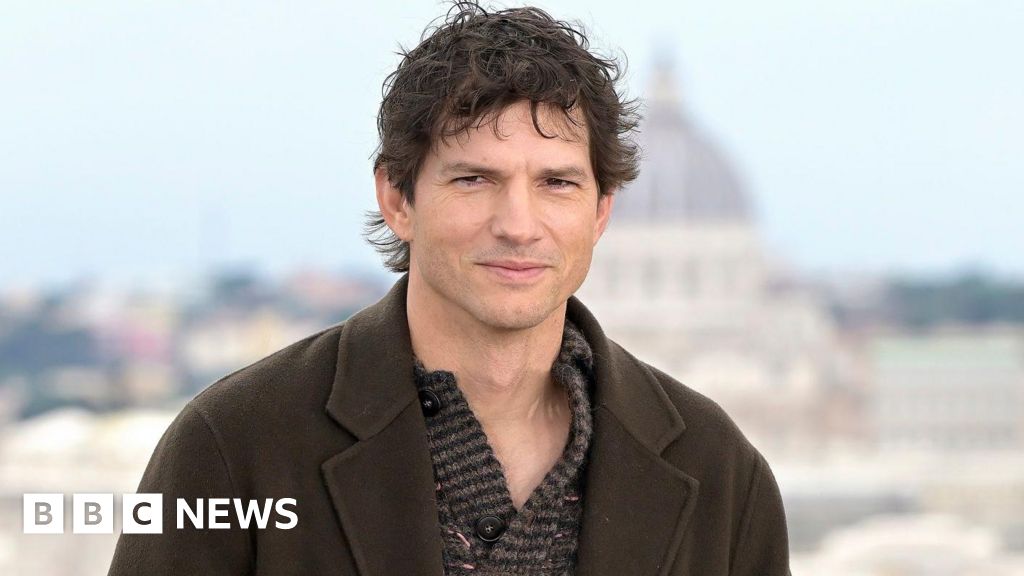
Ashton Kutcher: Society, Not Hollywood, Fuels Beauty Ideals
Hollywood actor Ashton Kutcher has stirred debate by asserting that the entertainment industry is not solely responsible for unrealistic beauty standards. Instead, he believes that societal expectations play a more significant role. Kutcher, known for his roles in popular films and television series, stars in the new film The Beauty. The movie delves into the complex world of beauty and its societal impact.
Examining the Role of Hollywood
Kutcher argued that blaming Hollywood for perpetuating beauty myths oversimplifies a broader issue. He stated, “Hollywood reflects society’s values, not the other way around.” By highlighting the influence of social media and general societal pressures, Kutcher suggests that individuals themselves often demand perfection.
For further context, Kutcher’s recent interview with the BBC shed light on his perspective. He emphasized that while film and television can influence perceptions, they are not the sole contributors. Hollywood, according to Kutcher, mirrors the desires and expectations already present in society.
The Influence of Social Media
Social media platforms have become powerful forces in defining beauty. Platforms like Instagram and TikTok often showcase idyllic lifestyles and appearances. This can lead to increased pressure on individuals to conform to certain standards. According to a study by the Pew Research Center, social media usage has risen significantly in the past decade, influencing people of all ages.
Moreover, the rise of influencers and their curated images contribute to the phenomenon. As a result, many young individuals feel compelled to emulate the seemingly perfect lives they see online. Kutcher’s assertion highlights how societal admiration for these figures can exacerbate unrealistic beauty ideals.
Economic Implications of Beauty Standards
The beauty industry thrives on societal pressures to maintain certain standards. The global beauty market is valued at over $500 billion, according to Statista. This economic behemoth thrives on the continuous demand for beauty products and procedures. As Kutcher’s film suggests, this relentless pursuit of perfection has significant financial implications for individuals and society.
Furthermore, the industry often targets insecurities, promising solutions to perceived imperfections. Consequently, this can lead to a cycle of dependency on beauty products and services, further entrenching societal ideals.
Revisiting Cultural Norms
Addressing unrealistic beauty standards requires a cultural shift. Kutcher’s film The Beauty aims to spark a conversation about these norms. By portraying the impacts of beauty obsession, the film encourages viewers to reflect on their own perceptions and biases.

Efforts to redefine beauty norms are underway across various sectors. Campaigns like Dove’s Real Beauty aim to celebrate diverse representations of beauty. Additionally, organizations such as UN Women advocate for gender equality and challenge stereotypes.
Conclusion: The Path Forward
In conclusion, Ashton Kutcher’s remarks highlight the need for a broader societal introspection. While Hollywood plays a role, societal values and social media contribute significantly to beauty standards. Films like The Beauty serve as catalysts for change, inspiring discussions on how to redefine beauty.
Ultimately, creating a more inclusive definition of beauty requires collective effort. By acknowledging the role of various influences, society can work towards dismantling unrealistic standards and celebrating authentic beauty.
Source: BBC
About The Author


