Analyzing Trump’s Tariff Impact on US Economy
2 min read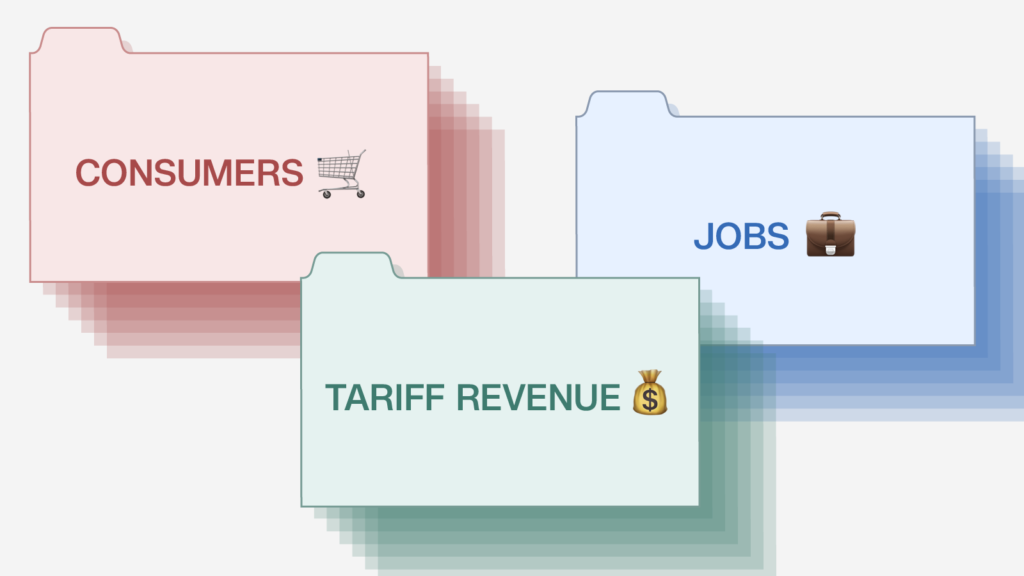
Introduction to Trump’s Tariff Policy
The tariff policy under President Donald Trump has significantly reshaped the economic landscape in the United States. Since taking office, Trump has increased the average effective tariff rate from 2.4% to 16.8% by the end of 2025. This dramatic rise has sparked debates about its impact on the US economy and consumers. CNN has been tracking these developments closely.
Impact on the US Economy
Trump’s tariffs have aimed to protect American industries from foreign competition. However, these policies have had mixed results. On one hand, some domestic industries have seen growth. For instance, the steel industry has benefited from reduced competition. On the other hand, industries reliant on imported materials have faced rising costs.
Furthermore, economists argue that higher tariffs have led to increased prices for consumers. As a result, the purchasing power of the average American has diminished. Yale Budget Lab estimates suggest that consumer goods prices have increased by nearly 5% due to the tariffs.
Consumer Reactions and Challenges
Consumers across the nation have expressed concerns about the rising costs of goods. Many families report spending more on everyday items such as electronics and groceries. Additionally, small businesses that rely on imported goods have struggled to maintain competitive pricing. Consequently, some have been forced to cut costs or raise prices, affecting their customer base.
Moreover, the automotive industry has experienced challenges. Tariffs on imported parts have increased production costs, leading to higher prices for vehicles. This has resulted in a decline in sales, particularly among budget-conscious consumers.
Global Trade Relations
Trump’s tariff policies have also strained international trade relations. Countries affected by these tariffs have retaliated with their own measures, leading to trade tensions. This has particularly impacted US agriculture, as countries like China have imposed tariffs on American farm products.
Nevertheless, some analysts believe these tensions could encourage the US to solidify trade agreements that favor domestic interests. However, others warn that prolonged trade wars may harm global economic stability.
Future Implications and Conclusions
Looking ahead, it remains uncertain how the US economy will adjust to these changes. Some experts predict a need for policy revisions to mitigate negative effects on consumers and businesses. Meanwhile, others argue for continued tariffs to protect American jobs.
In conclusion, Trump’s tariff policies have had profound implications for the US and global economies. While some industries have gained protection, others have faced significant challenges. It will be crucial for policymakers to balance protectionism with economic growth in the coming years.
For more detailed insights, visit the original CNN article.
Source: CNN, Yale Budget Lab
About The Author