Colorado Concludes Hunter S. Thompson’s Death a Suicide
2 min read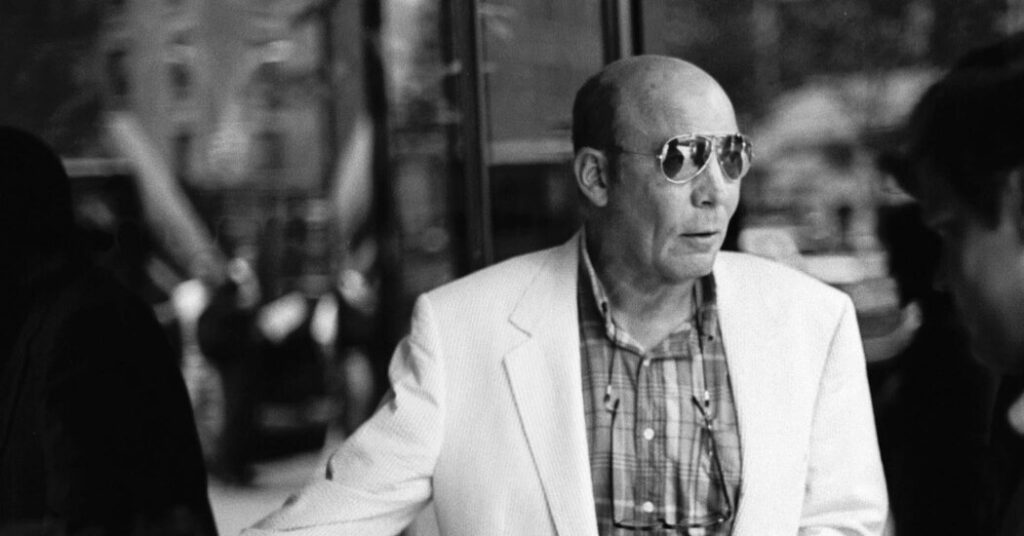
Colorado authorities have officially concluded that Hunter S. Thompson, the renowned gonzo journalist, died by suicide. This decision comes after a comprehensive monthslong investigation, which found no evidence supporting alternative theories about his 2005 death. Thompson, known for his unique literary style and rebellious persona, left a lasting impact on journalism and culture.
Monthslong Investigation Ends Speculation
In September, the Pitkin County Sheriff’s Office reopened the investigation into Thompson’s death. They aimed to address lingering rumors and theories suggesting foul play. However, officials confirmed that all speculative theories were unsubstantiated. The New York Times reported on this official announcement, emphasizing the thoroughness of the review process.
The investigation included interviews with family members, friends, and associates of Thompson. Additionally, forensic experts reanalyzed evidence from the scene of his death. Despite these efforts, no new information emerged to contradict the original suicide ruling.
Legacy of a Literary Icon
Thompson’s impact on journalism remains significant. He pioneered the gonzo journalism style, characterized by its blend of fact and fiction, and its immersive approach. His work, including the iconic “Fear and Loathing in Las Vegas,” continues to inspire writers and filmmakers today.
Furthermore, Thompson’s life and work have been the subject of numerous books and films. His unique perspective on politics and culture resonated with a generation disillusioned by traditional narratives. Although his death was tragic, his legacy endures through his writings and cultural influence.
Community Reactions and Reflections
The confirmation of Thompson’s suicide has prompted a range of reactions. Fans and literary scholars have expressed both sorrow and relief at the closure provided by the investigation. Many have taken this moment to reflect on Thompson’s contributions to literature and journalism.
Local residents in Colorado, where Thompson spent much of his life, also remember him fondly. The author had a deep connection with the state, which served as both a haven and a source of inspiration throughout his career.

Implications for Mental Health Awareness
Thompson’s death highlights the ongoing struggles many face with mental health issues. Consequently, experts hope this case will encourage open discussions about mental health resources and support. The visibility of such cases can foster greater empathy and understanding.
Moreover, mental health advocates stress the importance of recognizing signs of distress and seeking help when needed. Organizations continue to work towards providing accessible mental health care to individuals in need.
Looking Forward: Thompson’s Enduring Influence
In conclusion, while the confirmation of Hunter S. Thompson’s suicide closes one chapter, his influence on journalism and culture continues to thrive. Future generations will likely explore his groundbreaking work and unique approach to storytelling.
Overall, Thompson remains a pivotal figure in literary history. As society continues to evolve, his contributions to journalism and the discussions around mental health may inspire new dialogues and innovations.
Source: The New York Times
About The Author


