Nipah Virus Outbreak in India: Urgent Health Measures
2 min read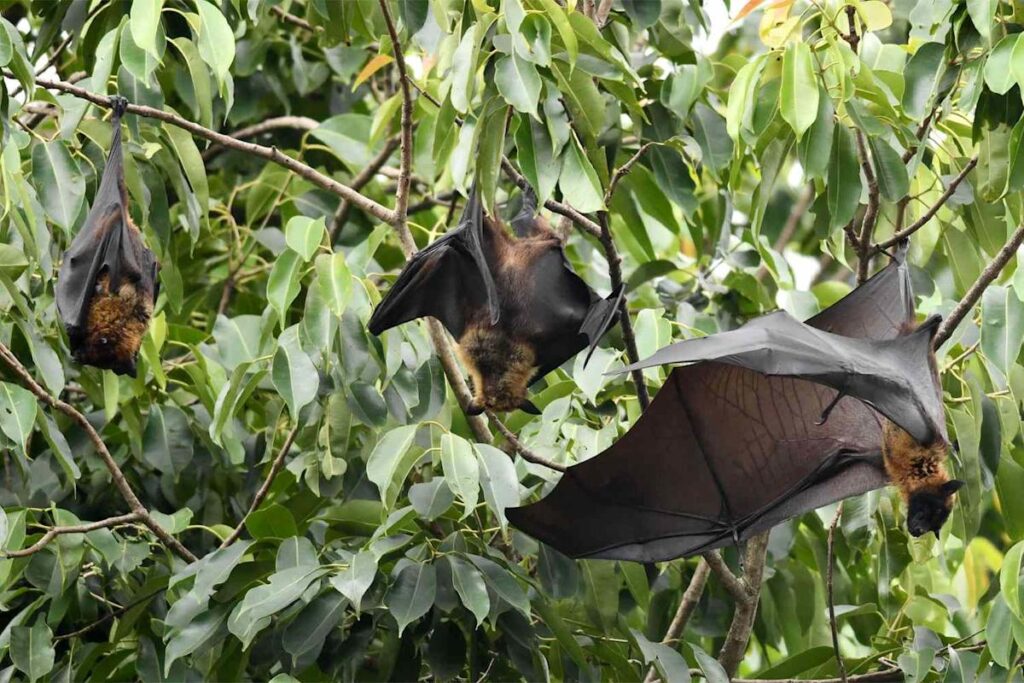
Nipah Virus Emerges in West Bengal
Authorities in India have confirmed an outbreak of the deadly Nipah virus in West Bengal. Two nurses at a private hospital near Kolkata have tested positive for the virus. Tragically, one of the nurses has fallen into a coma, highlighting the severe impact of this zoonotic disease.

Understanding the Nipah Virus
Nipah virus is a zoonotic pathogen transmitted from animals to humans. It has a high mortality rate and no known cure. The virus spreads through direct contact with infected animals or humans. The World Health Organization has classified it as a priority pathogen due to its potential to cause significant outbreaks.
Transmission and Symptoms
The virus primarily spreads from fruit bats, the natural hosts, to humans. However, human-to-human transmission also occurs, especially in healthcare settings. Symptoms include fever, headache, and respiratory issues, often progressing to encephalitis and coma.

Response and Containment Efforts
In response to the outbreak, health officials have initiated contact tracing and isolation protocols. The government has restricted movement in affected areas to contain the virus. Additionally, healthcare workers are receiving specialized training to handle potential cases.
The Indian Council of Medical Research (ICMR) is collaborating with international partners to study the virus further. This research aims to develop effective treatments and vaccines. Meanwhile, public health campaigns are underway to educate communities about preventive measures.
Global Concerns and Implications
Nipah virus poses a global health threat due to its high fatality rate and potential for widespread transmission. Experts warn that without effective containment, the virus could spread beyond India’s borders. Consequently, international health agencies are monitoring the situation closely.
The outbreak underscores the need for robust global health infrastructure. It highlights the importance of early detection and rapid response mechanisms. Moreover, it calls attention to the ongoing challenges in managing zoonotic diseases, which are increasing due to climate change and human encroachment on wildlife habitats.
Looking Ahead: Preparing for Future Outbreaks
To prevent future outbreaks, experts emphasize the need for comprehensive surveillance systems. These systems can detect emerging pathogens early and enable swift containment measures. Furthermore, investment in research and development is crucial for creating vaccines and antiviral drugs.
In conclusion, the Nipah virus outbreak in West Bengal serves as a stark reminder of the vulnerabilities in our global health system. As the world battles this deadly virus, a coordinated international effort is essential to prevent further loss of life and ensure global health security.
Learn more about Nipah virus from the CDC
Source Attribution
Information in this article was verified through AOL.com and other reputable sources.
About The Author


