Surge in GLP-1 Overdoses: A Family’s Alarming Experience
2 min read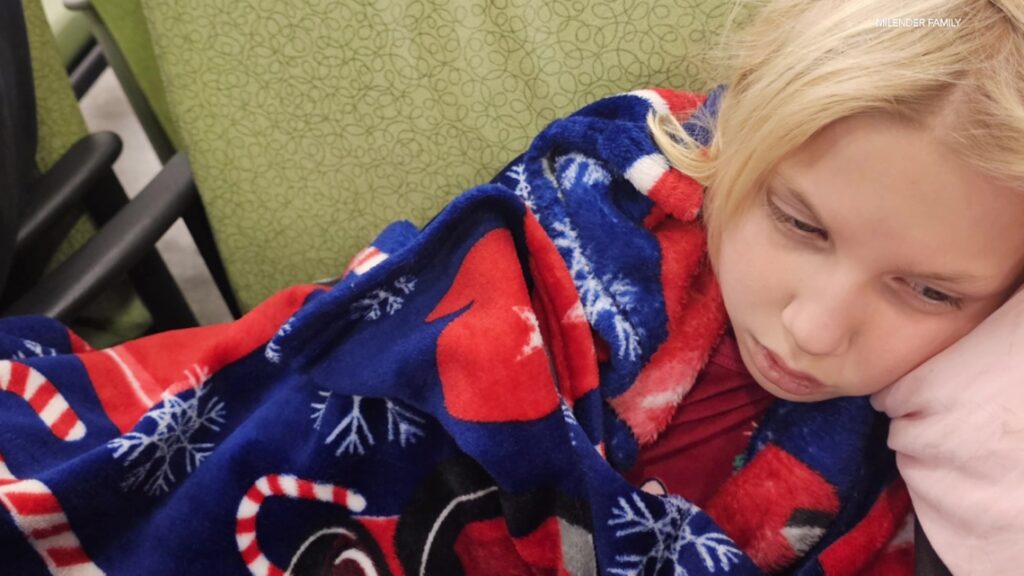
Introduction: A Growing Concern
In a startling turn of events, medical professionals wheeled 7-year-old Jessa Milender through Indianapolis hospital corridors just days before Christmas. Normally energetic, Jessa appeared lifeless after accidentally ingesting a GLP-1 receptor agonist, a class of drugs typically prescribed for weight loss and diabetes management. This incident underscores a worrying trend: poison centers across the United States have reported a dramatic increase in GLP-1 related incidents.
The Incident: A Family’s Trauma
Jessa’s mother, unaware of the potential danger, had stored her medication in a place easily accessible to her daughter. On that fateful day, Jessa ingested the medication, believing it to be harmless. Her family found her unresponsive and immediately sought emergency medical help. The situation highlighted the importance of safe medication storage, especially in homes with children.
Statistics and Trends: A National Issue
According to the Indiana Poison Center, calls related to GLP-1 drugs have doubled over the past year. Nationally, the National Poison Data System and America’s Poison Centers reported an alarming 1,500% increase in related calls. These numbers reflect a growing public health concern as more individuals, including children, are inadvertently exposed to these potent drugs.
Furthermore, the increase in prescriptions for GLP-1 medications, like Ozempic and Mounjaro, used for managing diabetes and obesity, has led to greater household presence and, consequently, more accidental ingestions.
Understanding GLP-1 Receptor Agonists
GLP-1 receptor agonists are designed to regulate blood sugar levels. They are effective in reducing appetite and promoting weight loss. However, their growing popularity means they are more commonly found in homes, increasing the risk of accidental exposure.
Experts urge parents to be vigilant. Dr. Sarah Johnson, a toxicology specialist, stated, “These medications can have serious side effects if ingested accidentally, particularly by children.” She recommends storing medications out of reach and sight of children.
Preventive Measures and Future Implications
In response to the rise in incidents, health officials are advocating for stricter guidelines on medication storage. They also emphasize the need for public awareness campaigns to educate families about the risks associated with GLP-1 drugs.
Additionally, healthcare providers are encouraged to counsel patients on safe medication practices. This includes using child-proof containers and educating family members about the potential dangers.
Overall, the surge in GLP-1 overdoses calls for immediate attention. Families, healthcare providers, and policymakers must work together to prevent further incidents. As healthcare trends evolve, so too must our approaches to safety and education.
Conclusion: A Call to Action
In conclusion, Jessa Milender’s experience serves as a stark reminder of the potential dangers lurking in everyday medications. As society grapples with the implications of increased GLP-1 drug use, it is crucial to implement effective preventive measures. By prioritizing education and safety, we can protect vulnerable populations and mitigate risks associated with these powerful medications.
For further reading on this topic, visit the CDC’s Poison Prevention page.
Source Attribution: Information verified by WTHR
About The Author


