Understanding the Nipah Virus and Its Impact in India
2 min read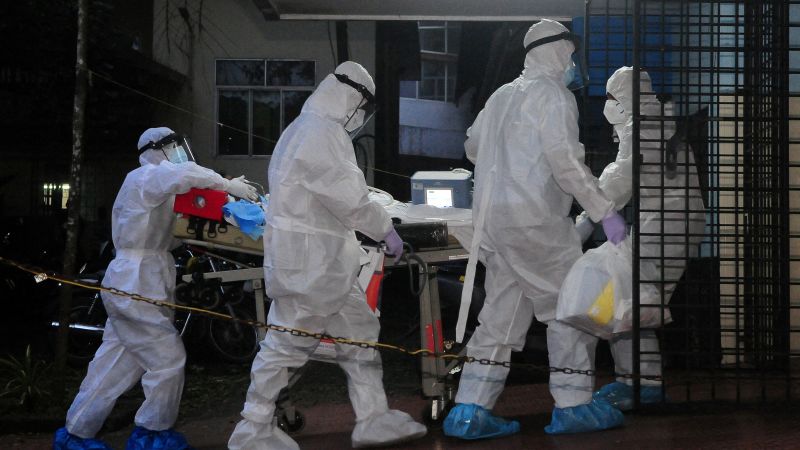
Introduction to the Nipah Virus
The World Health Organization (WHO) recently reported two cases of the Nipah virus in an eastern Indian state, raising concerns among health officials globally. The Nipah virus is a zoonotic disease, meaning it can spread from animals to humans, and has a high mortality rate of over 50% among those infected. This alarming statistic underscores the need for increased awareness and preventive measures.
What is the Nipah Virus?
The Nipah virus was first identified in 1998 during an outbreak among pig farmers in Malaysia. It is named after the Malaysian village where it was first discovered. The virus belongs to the Paramyxoviridae family and is related to the Hendra virus. CNN and other sources highlight that the virus can be transmitted through direct contact with infected animals or their secretions, as well as through contaminated food or water.
Symptoms and Transmission
Individuals infected with the Nipah virus may experience symptoms ranging from mild to severe. Early signs include fever, headache, and drowsiness. As the disease progresses, patients may suffer from severe respiratory issues and encephalitis, which can lead to coma or death. Wikipedia provides detailed information on the transmission routes and symptoms associated with the virus.

Current Situation in India
Officials in India are on high alert following the recent cases. The eastern state where the infections were reported is taking precautionary measures to prevent further spread. Quarantine protocols have been established, and health workers are conducting extensive contact tracing and testing.
Government Response
The Indian government, in collaboration with the WHO, is working diligently to contain the virus. WHO has provided technical support and guidance on handling the outbreak. Moreover, the Indian Council of Medical Research is actively conducting research to better understand the virus and develop effective treatments.
Preventive Measures and Public Awareness
Experts emphasize the importance of public awareness in controlling the spread of the Nipah virus. Communities are advised to avoid contact with sick animals and to practice good hygiene. Additionally, public health campaigns are being launched to educate people about the symptoms and transmission methods of the virus.
Importance of Surveillance
Surveillance systems play a crucial role in early detection and response to viral outbreaks. Authorities are enhancing surveillance at entry points and in regions with high-risk factors. CDC provides comprehensive guidelines on surveillance and preventive measures.

Conclusion and Future Implications
In conclusion, the recent outbreak of the Nipah virus in India highlights the need for continuous vigilance and international cooperation. The high mortality rate of the virus necessitates prompt action and effective communication strategies to prevent future outbreaks. As research progresses, there is hope that new treatments and vaccines will emerge to combat this deadly virus.
Source Attribution: Information verified by CNN and WHO.
About The Author


