Washington Cat Dies from Bird Flu, Sparks Health Concerns
3 min read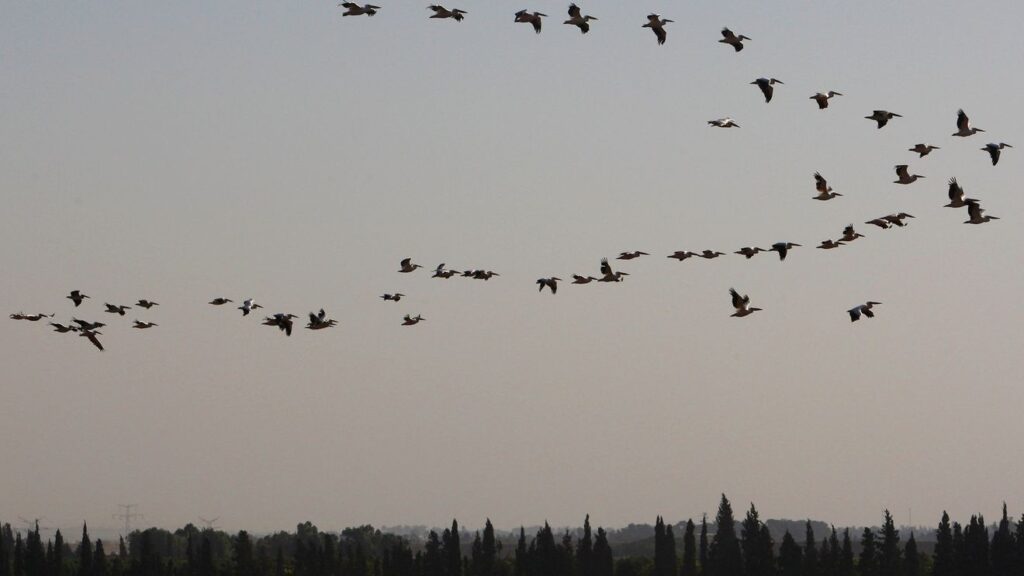
Grant County’s First Domestic Cat Case
A domestic cat in Grant County, Washington, has died after contracting Highly Pathogenic Avian Influenza (HPAI), commonly referred to as bird flu. This marks the first confirmed case in the state linked to this strain from an infected wild bird. The Washington State Department of Agriculture (WSDA) confirmed the case, emphasizing the increased risk to pets and urging pet owners to take necessary precautions.
The infected cat likely came into contact with an infected wild bird, a common vector for HPAI. In particular, wild birds are known carriers of the virus, especially during migratory seasons. Consequently, domesticated animals that interact with wildlife are at heightened risk of exposure.
Health Implications for Domestic Animals
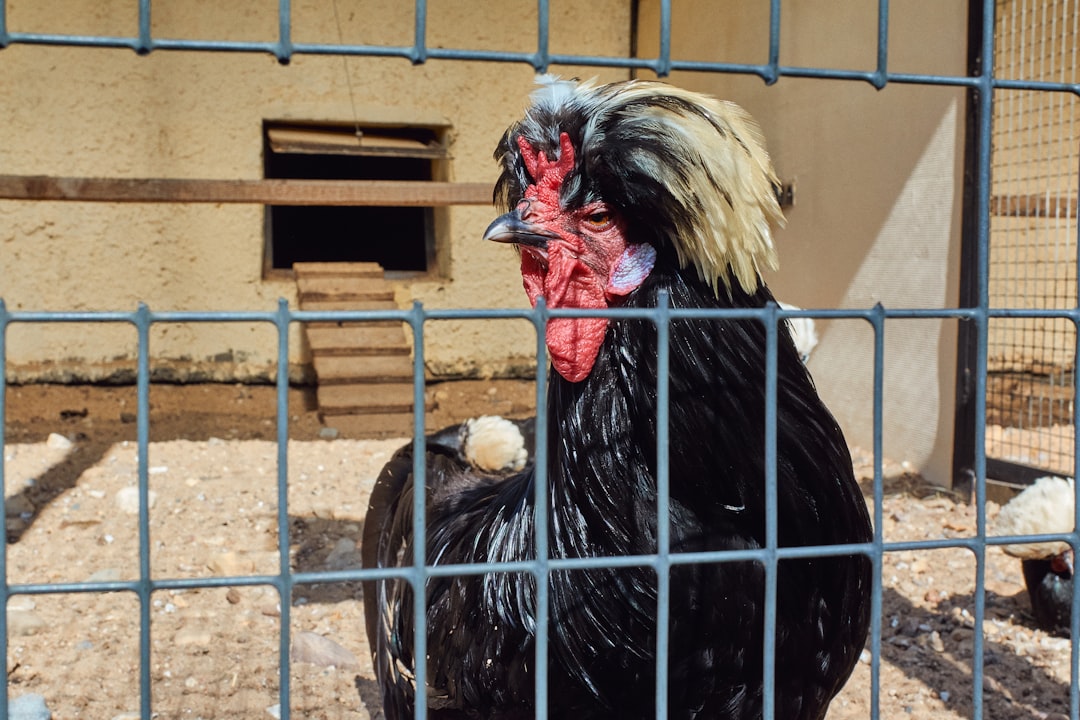
Highly Pathogenic Avian Influenza is a viral infection that primarily affects birds but can occasionally infect mammals, including cats. When cats contract the virus, they may exhibit neurological and respiratory symptoms. According to the Centers for Disease Control and Prevention, these symptoms can include difficulty breathing, lethargy, and lack of appetite.
Furthermore, health officials advise pet owners to monitor their pets closely for any signs of illness. If symptoms appear, they should seek veterinary care immediately. Moreover, it’s essential to limit pets’ exposure to wild birds.
State Response and Precautions
The WSDA has responded promptly by offering guidelines to reduce the risk of HPAI transmission. The department recommends keeping cats indoors and supervising dogs when outside. Additionally, pet owners should avoid feeding pets raw meat from wild birds. The department also suggests securing trash bins to prevent wildlife from accessing potential food sources.
For comprehensive information on HPAI, the WSDA urges residents to visit their official website. This resource provides updated guidance and preventive measures to safeguard both domestic animals and humans.
Background on Avian Influenza
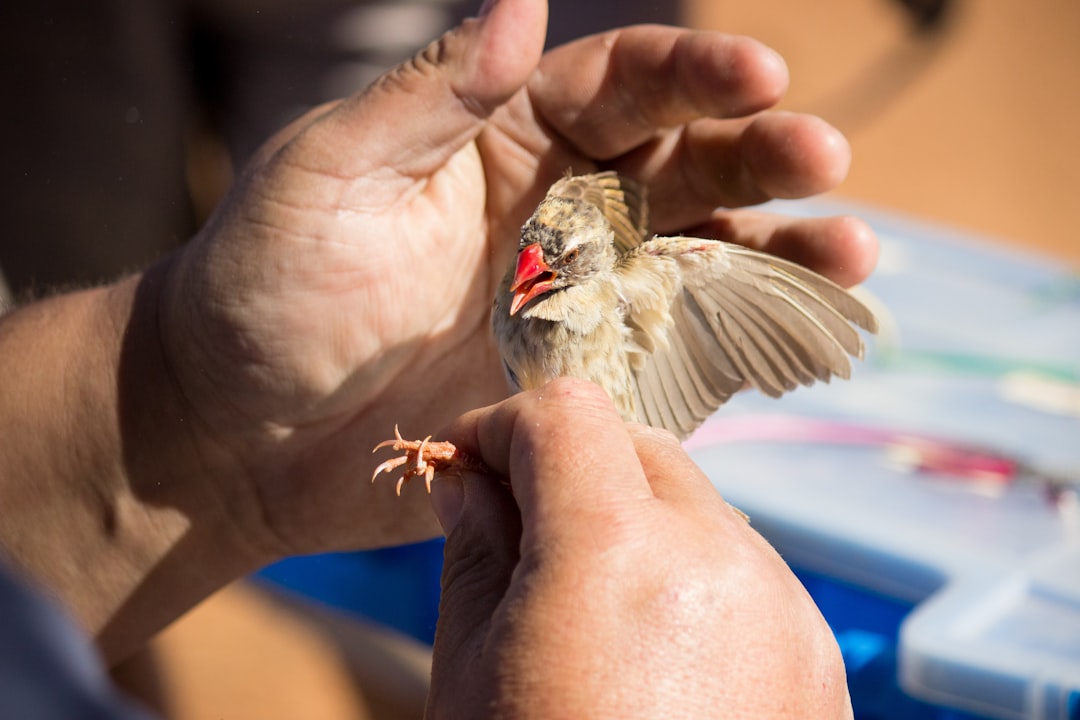
Avian Influenza is a type of influenza virus that primarily affects poultry and wild birds. According to Wikipedia, the virus can spread through direct contact with infected birds, their droppings, or contaminated environments. Historically, outbreaks have caused significant economic and ecological impacts.
While human infections are rare, they can occur, leading to severe respiratory illnesses. Therefore, understanding the dynamics of the virus is crucial for both animal and public health.
Future Implications and Ongoing Research
As scientists continue to study HPAI, the case in Grant County underscores the need for vigilance. Researchers aim to understand how the virus adapts and spreads across species. This knowledge is vital for developing effective prevention strategies.
In conclusion, the recent incident serves as a reminder of the interconnectedness of human, animal, and environmental health. By taking preventive measures, communities can mitigate the risk of future outbreaks.
Conclusion
Overall, the death of the cat in Grant County highlights the potential risks of HPAI to domestic animals. Pet owners are encouraged to remain cautious and informed about the virus. Through increased awareness and preventive actions, the community can protect both pets and public health.
“The WSDA continues to monitor the situation closely and will provide updates as needed,” stated the department.
For more information, visit the original report by KOMO News.
About The Author


