Why Labeling Foods as ‘Good’ or ‘Bad’ is Misleading
2 min read
Introduction: Rethinking Our Relationship with Food
In today’s fast-paced world, food choices often become simplified into categories of ‘good’ or ‘bad’. Diet fads and social media influencers frequently dictate what we should consume. However, this binary view is not only misleading but can also be detrimental to our overall health. The Washington Post highlights the importance of a flexible approach to eating.
The Problem with Food Labels
Dietitians argue that labeling foods as ‘good’ or ‘bad’ oversimplifies nutrition. This practice can lead to unhealthy relationships with food. For instance, individuals may experience guilt or anxiety after consuming ‘bad’ foods. Moreover, this mindset can foster restrictive eating habits, which often result in nutritional deficiencies.
Furthermore, these labels ignore the complexity of food. A balanced diet involves a variety of nutrients tailored to an individual’s specific needs, health goals, and lifestyle. The Academy of Nutrition and Dietetics emphasizes the importance of a personalized nutrition plan.
Understanding Nutritional Needs
Every person has unique nutritional requirements. Factors such as age, activity level, and medical conditions play a crucial role. Therefore, a one-size-fits-all approach to diet is ineffective. Registered dietitians recommend a comprehensive evaluation of one’s dietary needs.
Additionally, it’s essential to consider cultural and personal food preferences. For instance, someone may thrive on a Mediterranean diet, while another may benefit from a plant-based approach. Both can be healthy when balanced correctly.
Adopting a Flexible Eating Strategy
Experts suggest adopting a flexible eating strategy. This involves focusing on whole foods while allowing occasional indulgences. Such an approach promotes a sustainable and enjoyable relationship with food. For example, incorporating fruits, vegetables, lean proteins, and whole grains can provide necessary nutrients. ChooseMyPlate.gov offers guidance on creating balanced meals.
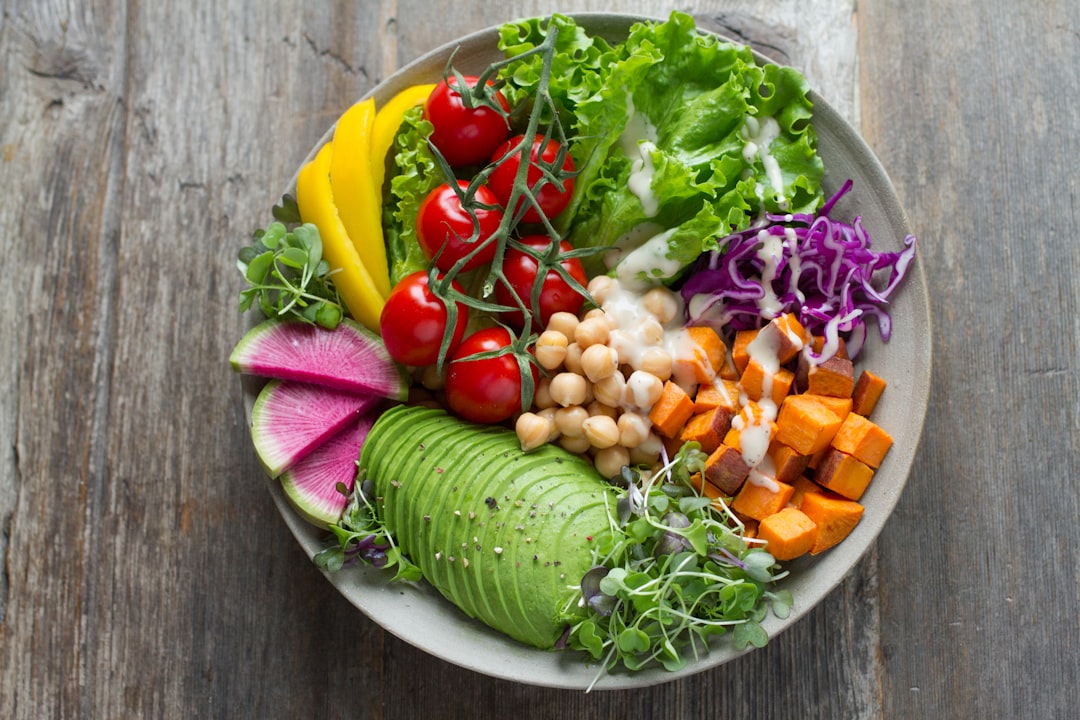
Meanwhile, understanding that occasional treats are part of a balanced diet can reduce feelings of deprivation. Consequently, this mindset can prevent binge eating or other disordered eating patterns.
Moving Forward: Embracing a Balanced Perspective
In conclusion, moving away from labeling foods as ‘good’ or ‘bad’ can foster a healthier relationship with eating. It encourages individuals to make informed, balanced choices that align with their personal health goals and circumstances. Health professionals continue to advocate for education on nutrition that emphasizes balance and flexibility.

Ultimately, embracing a nuanced view of food can lead to improved mental and physical health. As society becomes more aware of the complexities of nutrition, a shift towards a more inclusive approach is essential.
Source Attribution
This article is based on information from The Washington Post.
About The Author


