Air Force One Glitch Spurs Debate on Aircraft Upgrades
2 min read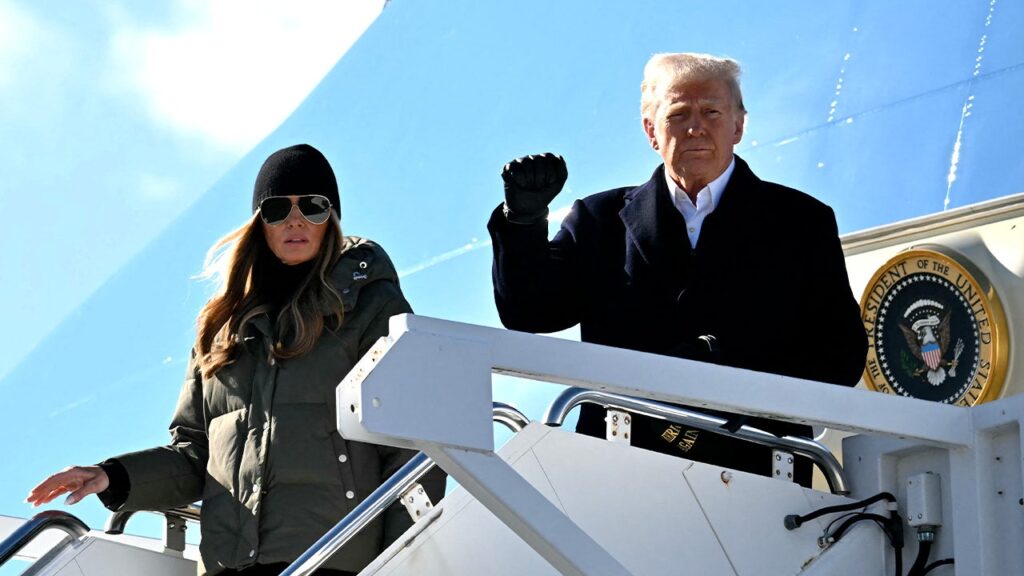
Air Force One Malfunction Highlights Aging Aircraft Concerns
President Donald Trump’s journey to the World Economic Forum in Davos, Switzerland, encountered an unexpected hitch as Air Force One experienced electrical issues during takeoff. The White House pointed to this incident as evidence supporting Trump’s longstanding advocacy for upgrading the presidential aircraft fleet.
According to officials, the aircraft’s electrical glitch did not pose a significant threat, yet it underscored the vulnerabilities of the decades-old presidential plane. Trump has consistently argued for modernizing Air Force One, citing the age and repeated maintenance issues of the current fleet.
Historical Context and Current Aircraft Status
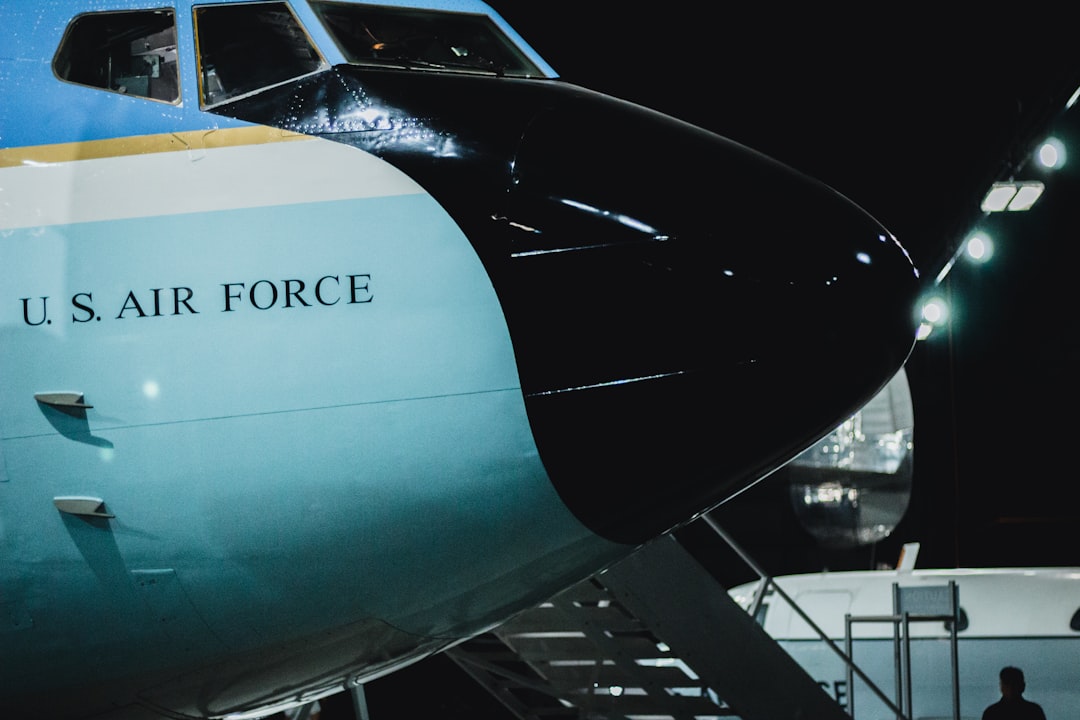
Air Force One, a highly customized Boeing 747-200B, has served the U.S. President since the early 1990s. These aircraft, known for their reliability, have nonetheless shown signs of aging. For instance, Air Force One has required several repairs over the years to address mechanical and electrical issues.
In 2018, the Trump administration initiated a deal with Boeing to develop new Air Force One aircraft. This contract aims to deliver two new planes by 2024. The recent glitch further emphasizes the need for timely completion of this project.
The Push for Replacement and Modernization
The call to replace Air Force One stems from both safety concerns and the desire for technological advancements. A modern fleet promises enhanced communication systems, fuel efficiency, and security measures. Furthermore, the current aircraft’s age often results in costly maintenance and operational delays.
Experts argue that upgrading Air Force One is not merely about aesthetics or comfort. Instead, it addresses essential operational needs. Air Force One plays a crucial role in national security and global diplomacy, necessitating state-of-the-art technology.
Political Implications and Public Perception
Trump’s push for new presidential aircraft has not been without controversy. Critics argue that the cost of new planes, estimated in the billions, is excessive. However, proponents assert that the long-term benefits and savings justify the initial investment.
Public opinion on this matter remains divided. Some view the upgrade as a necessary step, while others perceive it as an unnecessary expense during times of economic uncertainty. Fox News reported on the mixed reactions from both political parties.
Future Implications of the Aircraft Upgrade
As the new Air Force One project progresses, its success could set a precedent for future presidential transportation initiatives. A successful upgrade would ensure that the president travels in a secure and technologically advanced environment.
Moreover, the replacement project could boost confidence in U.S. aerospace capabilities, potentially leading to further contracts and innovations. As a result, this initiative may impact the broader aviation industry, offering opportunities for technological advancements.
The recent mechanical issue with Air Force One has reignited discussions about the necessity of upgrading the presidential aircraft. While debates continue, the need for modern, reliable transportation for the U.S. President remains a priority.
Source: Original reporting by Fox News
About The Author