House Blocks Resolution to Limit U.S. Military Action in Venezuela
3 min read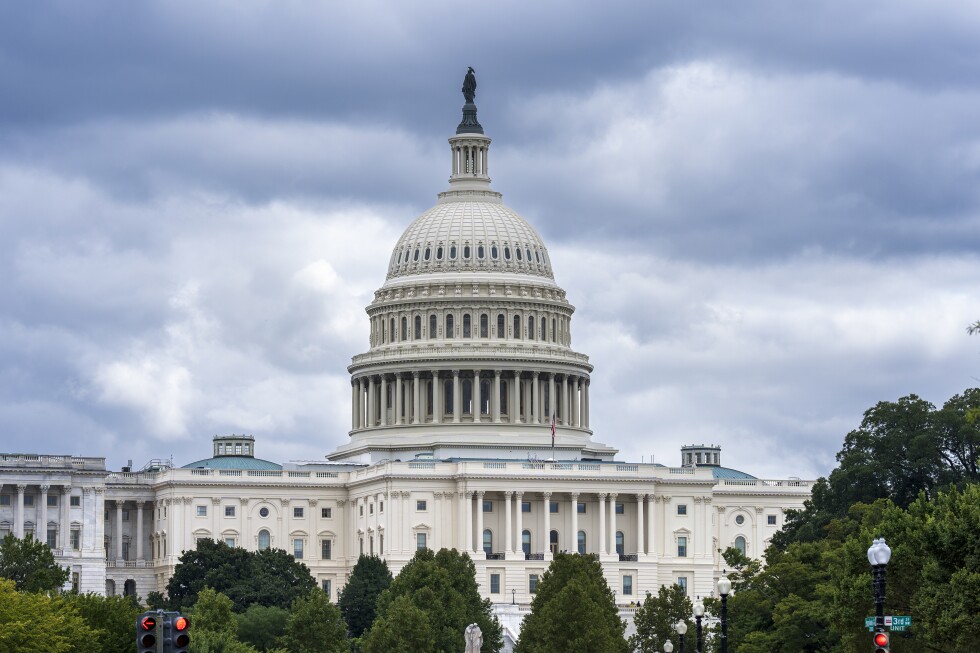
House Decision on Venezuela War Powers
The U.S. House of Representatives rejected a Democratic-backed resolution aimed at preventing President Donald Trump from deploying military forces to Venezuela. The decision came after a tied vote fell just short of the majority required for passage. This outcome maintains the status quo, allowing the President to consider military options as part of foreign policy strategies in the region.
Officials stated that the resolution intended to ensure congressional oversight over potential military engagements. AP News reported that the resolution’s failure reflects ongoing partisan divisions within Congress regarding U.S. foreign policy.
Background on U.S.-Venezuela Relations
The relationship between the United States and Venezuela has been tense for years. The U.S. government has opposed the regime of Venezuelan President Nicolás Maduro, citing human rights violations and economic mismanagement. Nicolás Maduro has been the subject of international scrutiny, with the U.S. imposing sanctions to pressure his government.
In recent years, the U.S. has recognized opposition leader Juan Guaidó as the legitimate president of Venezuela. This stance intensified diplomatic tensions, leading to speculation about possible military interventions. The U.S. Department of State outlines the ongoing efforts to support democratic transitions in Venezuela.
Implications of the House Vote
The House’s decision not only impacts U.S. foreign policy but also highlights the deep political divides within the legislative body. Lawmakers remain split on the best approach to address the crisis in Venezuela. Many Democrats argue for diplomatic solutions, while some Republicans support keeping military options on the table.
Furthermore, the vote underscores the broader debate over the President’s war powers. Critics of the administration argue that Congress must reclaim its constitutional role in authorizing military action. Congress plays a critical role in checks and balances, ensuring that any military intervention receives proper scrutiny and approval.
Reactions from Political Leaders
Political leaders have expressed varied reactions to the House’s decision. Democratic leaders voiced disappointment, emphasizing the need for legislative oversight of military engagements. They argue that unchecked presidential authority could lead to unintended consequences in volatile regions.
Republicans, on the other hand, hailed the resolution’s defeat as a victory for national security. They claim that the President should have the flexibility to respond swiftly to international threats. However, some centrist lawmakers remain cautious, advocating for a balanced approach that involves both diplomatic and military strategies.
Future Outlook and Speculations
Looking ahead, the House’s rejection of the resolution could influence future foreign policy decisions. Analysts suggest that the Trump administration may feel emboldened to consider military options, though such a move would likely face significant domestic and international opposition. The Council on Foreign Relations provides ongoing analysis of the situation in Venezuela and potential U.S. involvement.
Moreover, the decision may spur further legislative efforts to redefine the scope of presidential war powers. Congress might explore new resolutions to ensure a balanced approach to international conflicts.
In conclusion, the House’s vote represents a pivotal moment in U.S. foreign policy towards Venezuela. As the situation evolves, lawmakers and the public will closely monitor any developments that could impact regional stability.
Source: AP News
About The Author