Wesley Hunt’s Last-Minute Vote Averts House Defeat
2 min read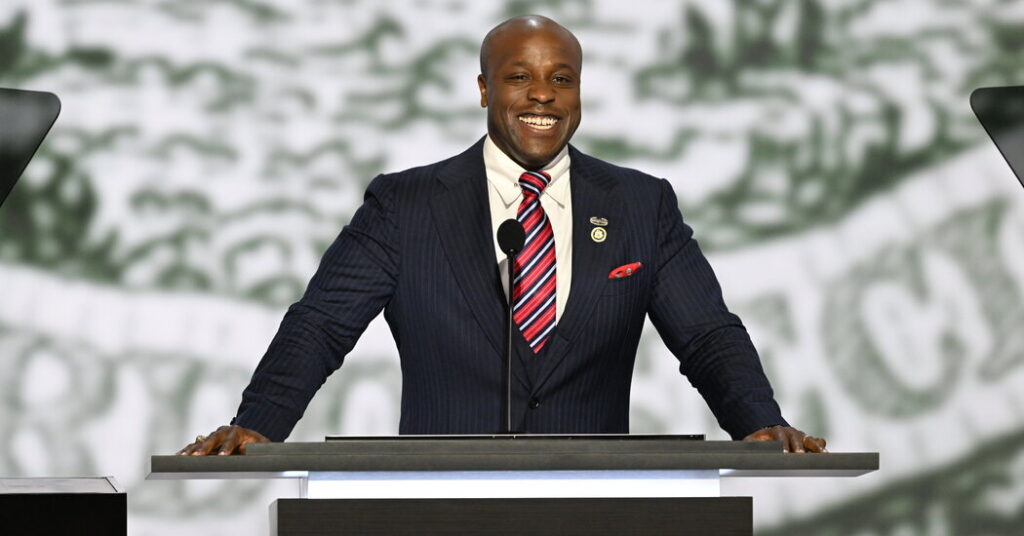
High-Stakes Drama Unfolds in the House
In a dramatic turn of events, Representative Wesley Hunt, a Republican from Texas, became the center of attention on Thursday evening. House leaders urgently transported him to the Capitol under police escort to avoid an embarrassing defeat. The House was set to vote on a resolution that would prevent President Trump from taking military action in Venezuela without congressional approval. The outcome hinged on Hunt’s vote.
Speaker Mike Johnson faced a tense moment as the resolution teetered on the brink of passage. Had it passed, it would have curbed the President’s powers significantly. The New York Times reported on the intricate details of the situation, highlighting the high stakes involved.
Understanding the Resolution’s Implications
The resolution aimed to assert congressional authority over military actions, a critical aspect of checks and balances. Its passage would have sent a strong message to the executive branch. The debate over the resolution highlighted the broader tensions between the legislative and executive branches. The War Powers Resolution of 1973, which limits presidential power to deploy military forces, served as the legislative backdrop.
The Role of Representative Wesley Hunt
Representative Hunt’s absence initially raised concerns among House leaders. They feared potential defeat on the resolution. Hunt’s timely arrival, however, ensured the resolution’s failure. This action underscored his pivotal role in the House. As a military veteran, Hunt’s insights into defense issues are well-respected. His vote reflected his commitment to party lines and national security priorities.

Political Reactions and Future Implications
Many political analysts viewed Hunt’s decisive vote as a victory for the Republican leadership. However, critics argued that it represented an overreach by the executive branch. The resolution’s defeat maintains the status quo of presidential military authority. Meanwhile, the incident highlighted the challenges the House faces in checking executive powers.
Background on U.S.-Venezuela Relations
The resolution emerged amid growing U.S. concerns over Venezuela’s political situation. The U.S. government has expressed interest in the region due to its strategic importance. The U.S. Department of State outlines ongoing diplomatic efforts with Venezuela, emphasizing the need for democratic processes.
Conclusion: A Precarious Balance of Power
In conclusion, Wesley Hunt’s vote showcased the delicate balance of power within the U.S. government. The event highlighted the ever-present tension between congressional authority and presidential power. As the political landscape evolves, these dynamics will continue to shape U.S. domestic and foreign policies. Moreover, the incident may prompt further discussions on the legislative branch’s role in military decisions.
For further reading and detailed coverage, visit the original article on The New York Times.
Source Attribution: Information verified by The New York Times.
About The Author