40 Years After Challenger: Lessons and Legacy for NASA
3 min read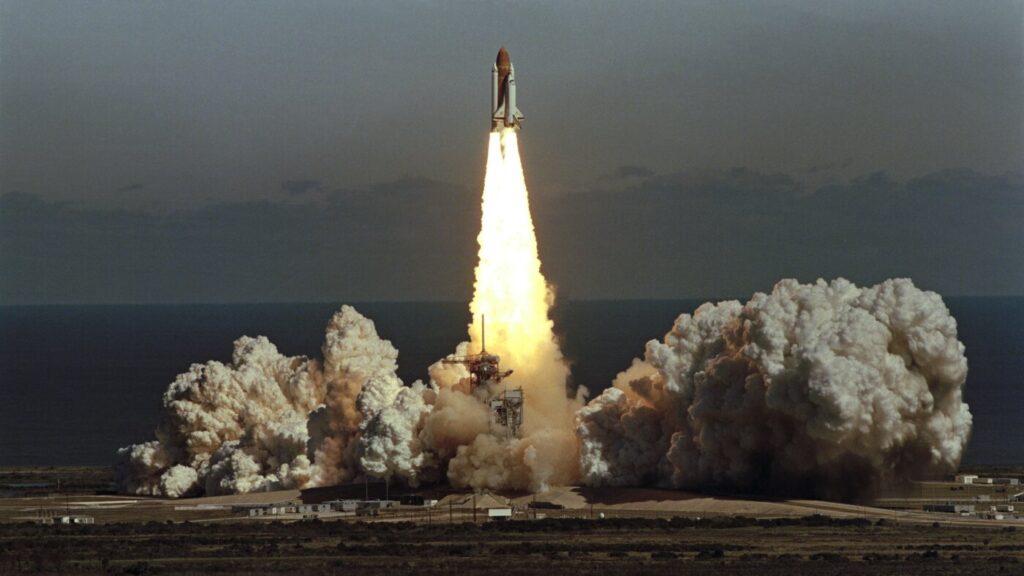
The Day That Changed Space Exploration
On January 28, 1986, NASA faced one of its darkest days. The space shuttle Challenger exploded just 73 seconds after liftoff, killing all seven crew members on board. Bob Ebeling, an engineer at Morton Thiokol, was among those who had desperately tried to postpone the launch. Ebeling and his team knew the risks posed by the unusually cold temperatures that morning, which could compromise the shuttle’s O-rings. Despite their warnings, the launch proceeded. The consequences were catastrophic.
NPR’s report highlights the engineers’ efforts and the emotional toll of the tragedy. The disaster has left a lasting impact on NASA and space exploration worldwide.

Lessons Learned: Safety Over Schedules
In the wake of the Challenger disaster, NASA underwent significant changes. The investigation revealed that the pressure to adhere to schedules had overshadowed vital safety concerns. Consequently, NASA implemented stricter safety protocols and encouraged a culture where engineers could speak up without fear of repercussions. This shift aimed to prevent any recurrence of such a tragedy.
Moreover, the Challenger disaster prompted the creation of the Rogers Commission. The commission’s report emphasized the need for transparent communication within NASA. It also stressed the importance of technical expertise being prioritized over bureaucratic decisions.
Impact on the Engineers Involved
For Ebeling and his colleagues, the disaster was a personal tragedy that haunted them for decades. Ebeling, in particular, struggled with guilt, believing he had failed to prevent the launch. His story is a poignant reminder of the human side of technological failures. Despite their warnings, the engineers felt powerless against institutional pressures.
However, Ebeling’s actions and those of his colleagues are now seen as a catalyst for change. Their courage to voice concerns has inspired a more safety-conscious culture within NASA and other organizations globally.
The Legacy of Challenger Today
The Challenger disaster reshaped NASA’s operations and its approach to space exploration. The lessons learned have become integral to the agency’s mission. Consequently, NASA has successfully launched numerous missions since then, with enhanced safety measures.
Furthermore, the tragedy has influenced the broader aerospace industry. Companies like SpaceX and Blue Origin have adopted rigorous safety protocols inspired by the lessons from Challenger. These measures ensure that safety remains the top priority in every mission.
Additionally, NASA continues to honor the Challenger crew through educational initiatives. The Challenger Center, founded by the families of the crew, fosters a passion for science and exploration among young people.
A Future Guided by the Past
In conclusion, the Challenger disaster remains a pivotal moment in the history of space exploration. The event has taught invaluable lessons about the importance of safety, communication, and accountability. As NASA and other space agencies continue to push the boundaries of exploration, these lessons guide their efforts.
The memory of the Challenger crew serves as a reminder of the risks involved in space travel. However, it also underscores the human drive to explore and discover. As we look to the future, the legacy of Challenger continues to shape the path forward.
For more detailed insights, visit the NPR article that provides an extensive overview of this profound event.
Source Attribution: NPR, “40 years after Challenger: Lingering guilt and lessons learned.”
About The Author


