Ancient Antarctic Landscape Unveiled: A 34-Million-Year Time Capsule
2 min read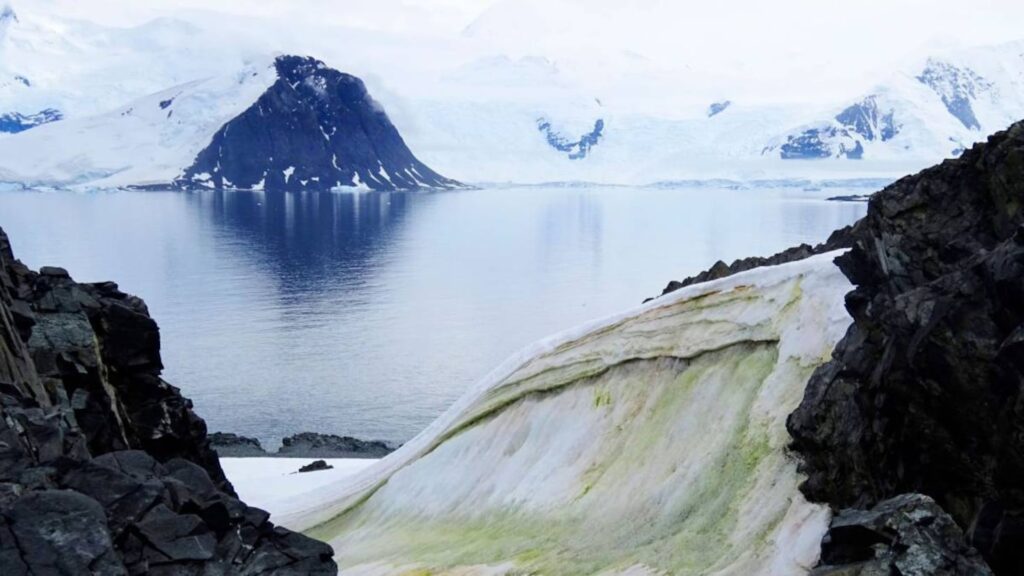
Unveiling a Hidden World
In a groundbreaking discovery, scientists have unveiled an ancient landscape beneath Antarctica’s ice. This untouched world, dating back over 34 million years, was uncovered by the Canadian satellite RADARSAT. This discovery opens new avenues for scientific research, offering insights into the Earth’s geological history.
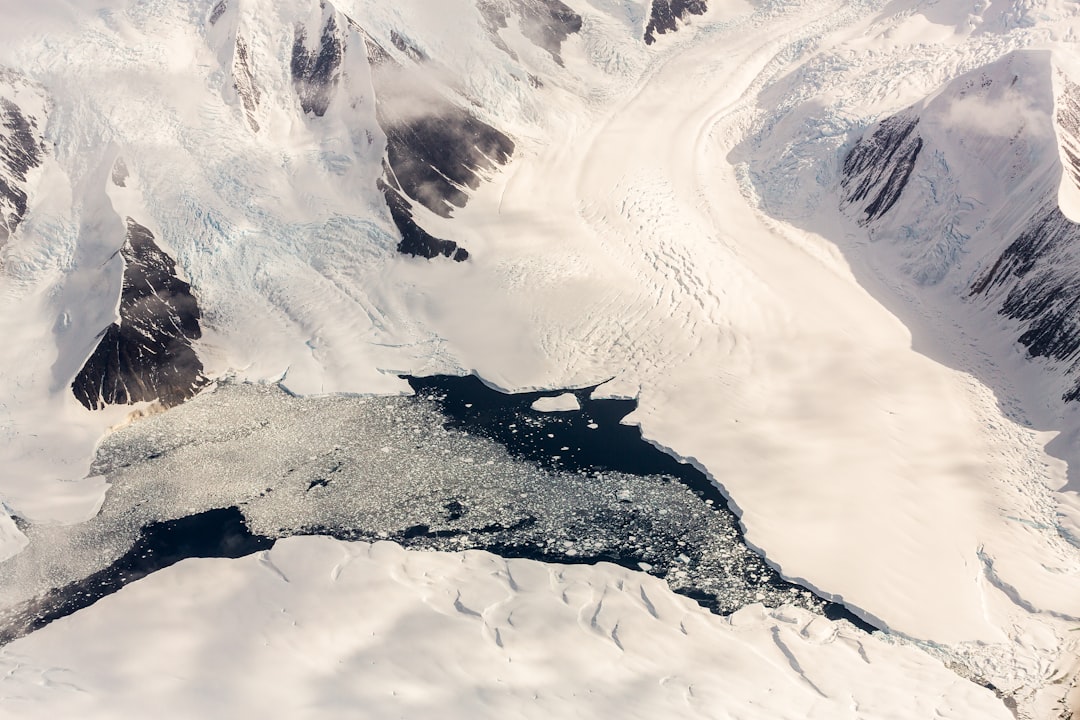
The landscape lies below a massive ice sheet, spanning over 10 million square kilometers. Researchers describe it as a ‘time capsule,’ revealing what our planet looked like millions of years ago. This discovery provides a unique opportunity to study how climate change has impacted the Earth over millennia.
Exploring the Implications
The revelation of this ancient terrain has significant implications for climate change research. Scientists believe that understanding the historical climate patterns of this region can help predict future changes. Moreover, it may inform strategies to combat the ongoing climate crisis.
Furthermore, this discovery could lead to advancements in geological and environmental sciences. By studying this ancient landscape, researchers hope to gain insights into the Earth’s past ecosystems and biodiversity. This could enhance our understanding of how life on Earth has evolved over millions of years.
The Role of RADARSAT
The RADARSAT satellite played a crucial role in this discovery. Equipped with advanced radar technology, it can penetrate the thick ice covering Antarctica. This allows scientists to map the hidden landscape beneath, revealing details previously inaccessible.
The use of satellite technology marks a significant step forward in geological research. It enables scientists to explore unreachable areas of the planet, providing data crucial for understanding Earth’s history. For more details on RADARSAT and its capabilities, visit Canadian Space Agency.
Potential for Future Research
This discovery is only the beginning. Researchers plan to conduct further studies to analyze the landscape’s features and composition. They aim to uncover clues about the climate conditions that existed when the landscape formed.
Additionally, there is potential for interdisciplinary collaboration. Geologists, climatologists, and biologists could work together to explore the implications of this discovery. Such collaboration could lead to breakthroughs that transform our understanding of Earth’s history and future climate.
Conclusion: A Step Forward in Climate Research
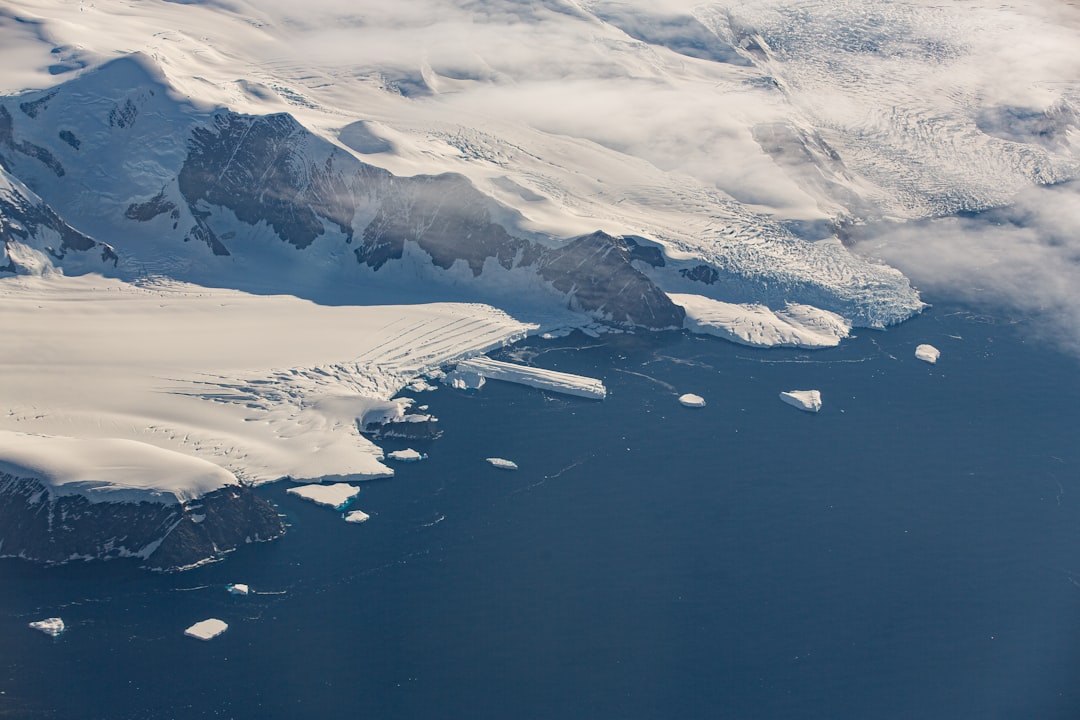
In conclusion, the discovery of this ancient Antarctic landscape is a monumental step forward in climate research. It not only offers a glimpse into Earth’s distant past but also provides critical data for predicting future climate trends. As researchers continue to explore this hidden world, the potential for new scientific breakthroughs is immense.
To learn more about this discovery, visit the original source from Diario AS.
Source Attribution
Information verified from Diario AS. Original article published on January 24, 2026.
About The Author


