Ancient Wooden Tool Discovered in Greece Dates Back 430,000 Years
3 min read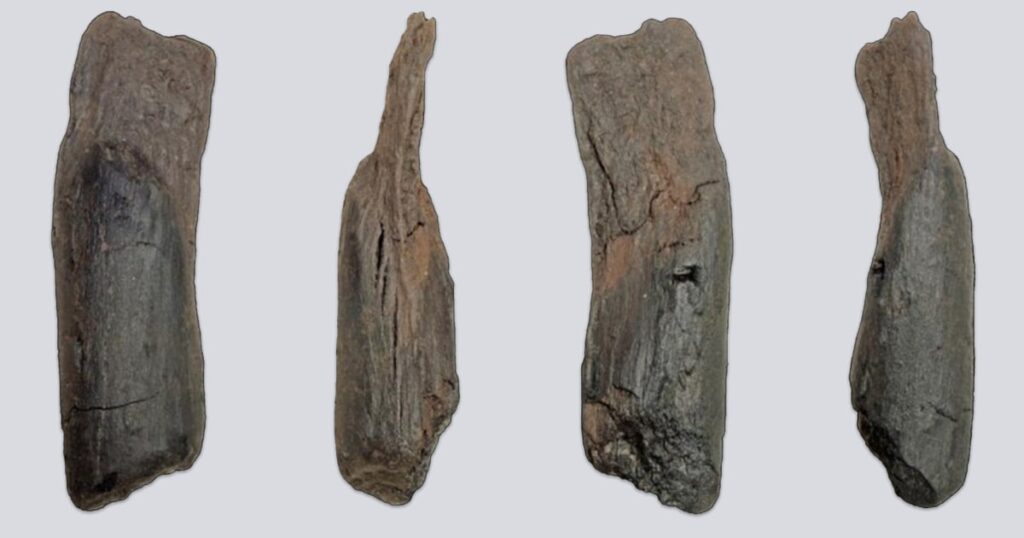
Historic Discovery in Greece
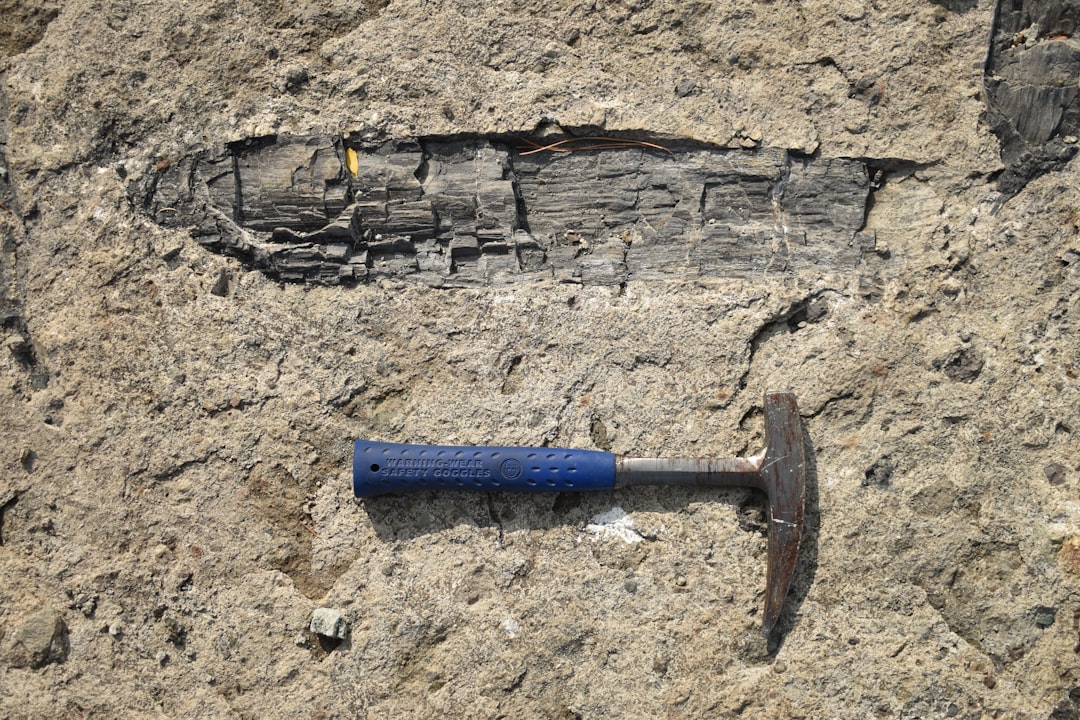
Researchers in Greece have uncovered the oldest known hand-held wooden tools, dating back approximately 430,000 years. This remarkable find offers a glimpse into the ingenuity of our early human ancestors. The discovery was made at an archaeological site in Greece and includes a tool crafted from the trunk of an alder tree. Experts suggest it may have been used for digging or other practical purposes, showcasing the adaptability of early humans.
Significance of the Discovery
The tool’s discovery is significant because it predates previous finds by tens of thousands of years. According to NBC News, such wooden tools rarely survive the ravages of time due to their organic nature. Thus, finding one in such a preserved state provides valuable insights into the daily lives of our ancestors.
Furthermore, this find contributes to our understanding of early human technology and survival strategies. The craftsmanship of the tool indicates a level of sophistication and resourcefulness previously underestimated for this period.
Implications for Archaeology
Archaeologists are excited about what this discovery implies for future excavations. The preservation of organic materials like wood can offer a more comprehensive view of ancient human behavior. As a result, researchers are now more hopeful about uncovering similar artifacts in other locations.
Moreover, this tool challenges existing timelines and theories regarding the development of technology and human migration patterns. It suggests that early humans were more widespread and technologically advanced than previously thought.
Expert Opinions
Experts in the field have weighed in on the importance of this find. Dr. Jane Goodall, a renowned anthropologist, emphasized the tool’s role in redefining our understanding of prehistoric innovation. “This discovery is a testament to the ingenuity and adaptability of early humans,” she stated. “It opens new doors for research and understanding of our ancestors’ daily lives and survival tactics.”
Additionally, this discovery has sparked interest in revisiting other archaeological sites, where similar artifacts might have been overlooked or underappreciated. Researchers are now considering the broader implications of organic tool use in early human societies.
Future Research and Discoveries
Looking forward, archaeologists plan to conduct further excavations in the region to uncover more about the people who used these tools. They aim to piece together a more detailed picture of life during this period.
Furthermore, these findings may influence modern archaeological methods, encouraging a focus on the preservation and study of organic materials. This shift could lead to more discoveries that challenge and expand our understanding of early human history.
In conclusion, the discovery of this ancient wooden tool in Greece is not only a significant archaeological find but also a catalyst for future research and exploration. It highlights the complexities of early human life and encourages a reevaluation of our historical narratives.
For more detailed information, visit the original article on NBC News.
Source Attribution
This article is based on reports from NBC News and additional expert analysis.
About The Author


