Ancient Wooden Tools Rewrite Prehistoric Human History
3 min read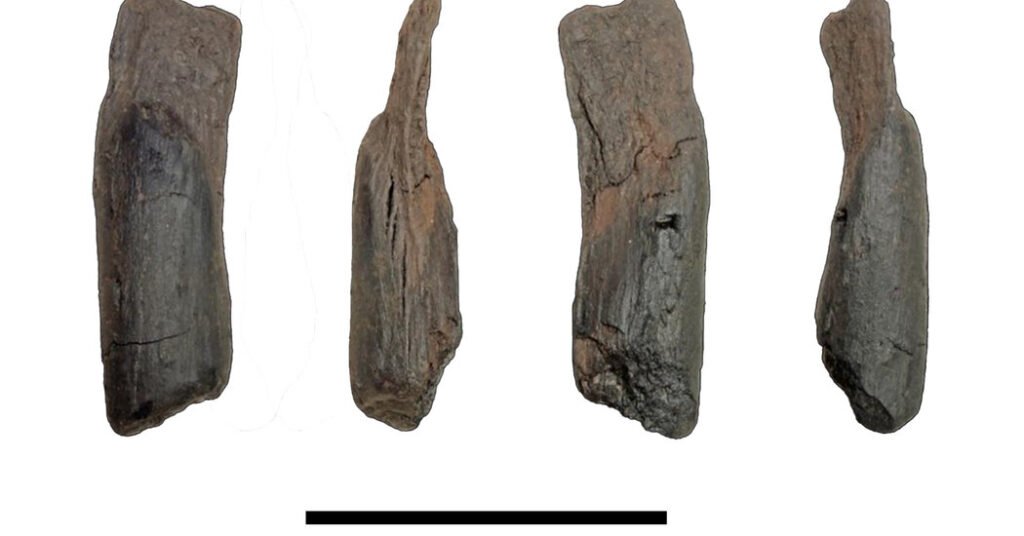
Discovering the Oldest Wooden Tools
Archaeologists have uncovered wooden tools dating back 430,000 years in Europe, marking them as the oldest ever found. This remarkable discovery, combined with a 500,000-year-old bone hammer, suggests that early hominins crafted tools long before Homo sapiens arrived on the continent. Read more on this breakthrough. These findings indicate that our ancestors were more innovative than previously believed.

The Significance of These Discoveries
These ancient tools push back the timeline for tool-making activities by hundreds of thousands of years. Previously, scientists believed modern humans were among the first to create advanced tools. However, these findings suggest that early hominins were already skilled in manipulating raw materials. Consequently, this challenges existing theories about the evolution of human intelligence and creativity.
Moreover, this discovery sheds light on the adaptability and resourcefulness of these early hominins. They utilized available resources like wood and bone to craft tools essential for survival. This adaptability may have been a crucial factor in their longevity and evolutionary success.
Methodology and Analysis
Researchers employed advanced dating techniques to determine the age of the wooden tools and bone hammer. By studying the surrounding sediments and employing radiocarbon dating, scientists confirmed the astonishing age of these artifacts. Learn more about radiocarbon dating. The meticulous analysis of these tools also revealed their functional aspects, suggesting they were used for specific tasks such as hunting or crafting.
Furthermore, the discovery site provided a wealth of contextual information. The tools were found alongside animal bones and other artifacts, offering insights into the daily lives of these early humans. For instance, the presence of animal bones suggests these tools played a role in processing meat or skinning animals.

Implications for Human Evolution
The implications of these findings are profound. They suggest that the cognitive abilities of early hominins were more advanced than previously thought. This could mean that traits such as problem-solving and tool-making did not solely develop with Homo sapiens but were present in earlier hominin species.
Additionally, these discoveries prompt a reevaluation of our understanding of human evolution. They highlight the need to explore more prehistoric sites for potential evidence of early human ingenuity. As a result, researchers are now more optimistic about uncovering further artifacts that could reshape our knowledge of human ancestry.
The Future of Archaeological Research
In conclusion, the discovery of these ancient wooden tools opens new avenues for archaeological research. Future excavations in Europe and beyond may unearth more evidence of early hominin life and their capabilities. The continuous advancements in dating technology will also allow for more precise dating of artifacts, providing clearer timelines of human evolution.
Overall, these findings not only enrich our understanding of the past but also inspire future generations of archaeologists. They emphasize the dynamic and ever-evolving nature of human history. For more details on this discovery, visit the official report from The New York Times.
Source Attribution: Information based on research and reports from The New York Times. Published on January 26, 2026.
About The Author


