Cuttlefish Use Unique Light Patterns for Flirting
2 min read
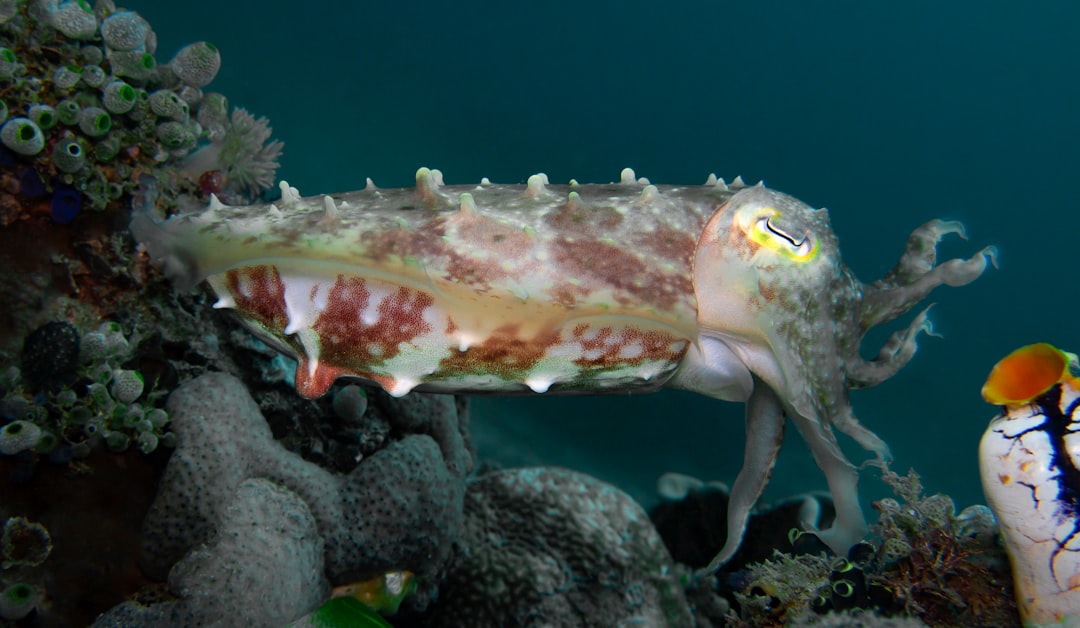
Cuttlefish have taken courtship to a new level by using patterns invisible to the human eye. These marine creatures utilize polarized light to create stunning displays on their skin, attracting potential mates. This phenomenon has intrigued scientists and provided new insights into underwater communication.
Understanding Polarized Light Displays
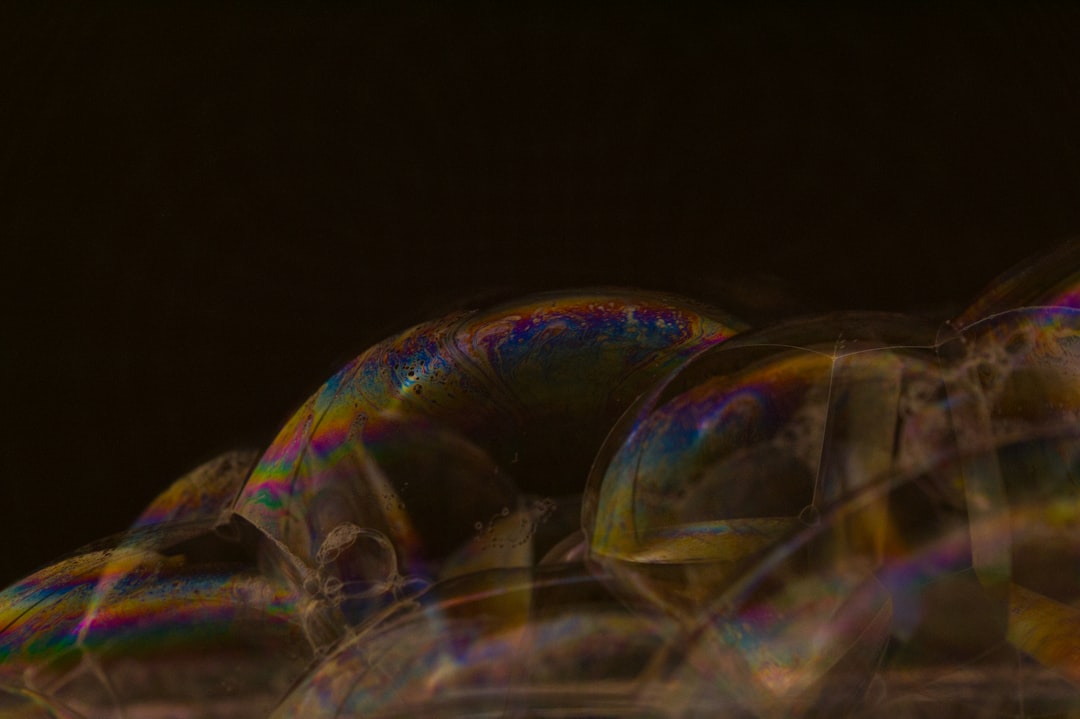
Polarized light, unlike regular light, consists of waves moving in specific orientations. Cuttlefish can detect and manipulate these light waves, producing patterns visible only to certain animals. This ability gives them a unique advantage in the mating game. Researchers from the New York Times report that these patterns are a form of communication, telling potential mates about the cuttlefish’s fitness and readiness to reproduce.
The Science Behind the Display
Cuttlefish possess specialized skin cells called chromatophores, leucophores, and iridophores. These cells allow them to change color and texture rapidly. However, what sets them apart is their ability to adjust the orientation of light waves. Cuttlefish use this skill not only for camouflage but also for courtship, creating patterns that captivate potential mates.
Implications for Marine Biology
The discovery of this behavior has significant implications for marine biology. It suggests that underwater communication is more complex than previously thought. Moreover, it highlights the importance of understanding polarized light in marine ecosystems. Researchers believe that this ability may play a crucial role in survival, particularly in environments where vision is limited.
Comparisons with Other Species
While the cuttlefish’s ability is remarkable, it is not entirely unique. Other marine animals, such as mantis shrimp, also perceive polarized light. However, cuttlefish are unique in their ability to manipulate it for courtship. This trait could provide insights into the evolution of communication in the animal kingdom.
Future Research Directions
Future research aims to explore the extent of polarized light use among cuttlefish and other marine creatures. Scientists are keen to understand how these patterns affect mating success and predator-prey interactions. Additionally, there is interest in exploring potential applications for technology, such as improving underwater imaging.
In conclusion, cuttlefish have demonstrated an extraordinary ability to communicate through invisible light patterns. This discovery opens new avenues for research and provides a deeper understanding of marine life. As scientists continue to explore this phenomenon, we can expect to learn even more about the hidden world beneath the waves.
Source Attribution
This article is based on information from the New York Times.
About The Author


