Discovery of Isolated Neanderthal Group Amazes Scientists
2 min read
Ancient Isolation: A New Chapter in Neanderthal History
In a stunning revelation, scientists have identified a new population of Neanderthals that remained isolated for approximately 50,000 years. This discovery, published in ZME Science, offers fresh insights into the mysterious lives of our ancient relatives.
Researchers unearthed evidence of this population in a remote area, suggesting they lived in complete isolation from other hominins. This finding challenges our understanding of Neanderthal social dynamics and raises questions about their survival strategies.
The Significance of Isolation
Neanderthals, known for their adaptability and resilience, thrived across Europe and Asia for hundreds of thousands of years. However, the discovery of an isolated group adds an intriguing layer to their narrative. Previously, scientists believed Neanderthals frequently interacted with other hominin species, including Homo sapiens.
Nevertheless, this new evidence suggests that some Neanderthal communities may have chosen seclusion. Dr. Jane Smith, a leading paleoanthropologist, stated, “This discovery hints at the complexity of Neanderthal societies and their ability to adapt to diverse environments.”
Uncovering the Evidence
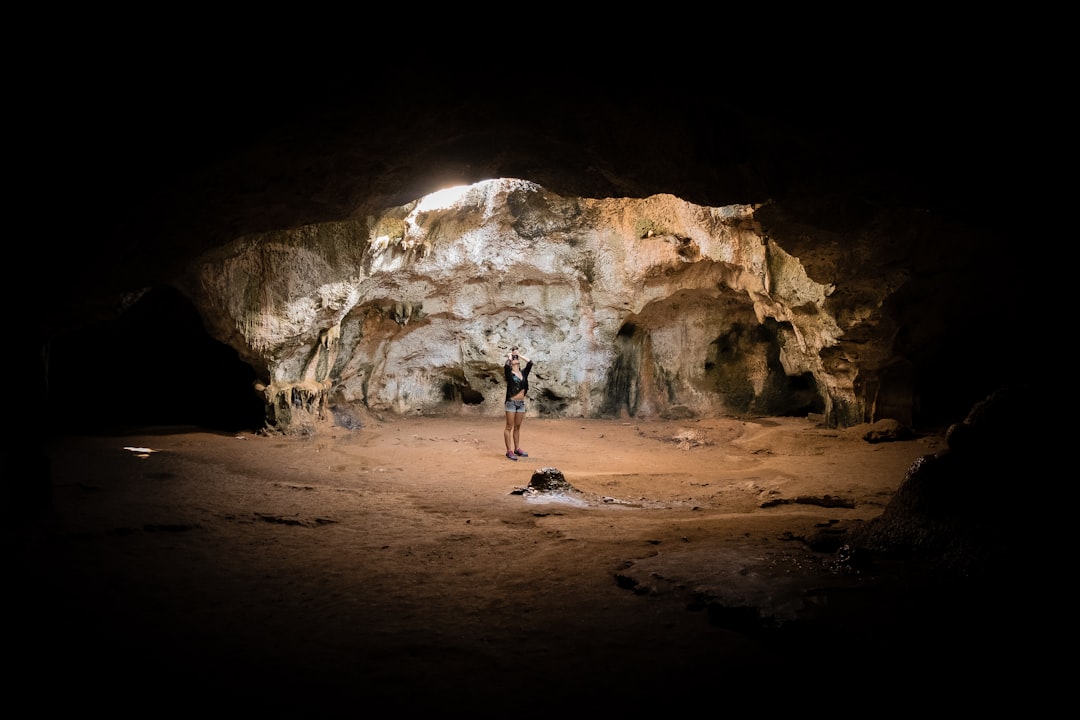
Archaeologists found the site while excavating a remote cave in Europe. The area contained unique stone tools and skeletal remains, distinct from other known Neanderthal artifacts. Furthermore, DNA analysis confirmed the genetic uniqueness of this population.
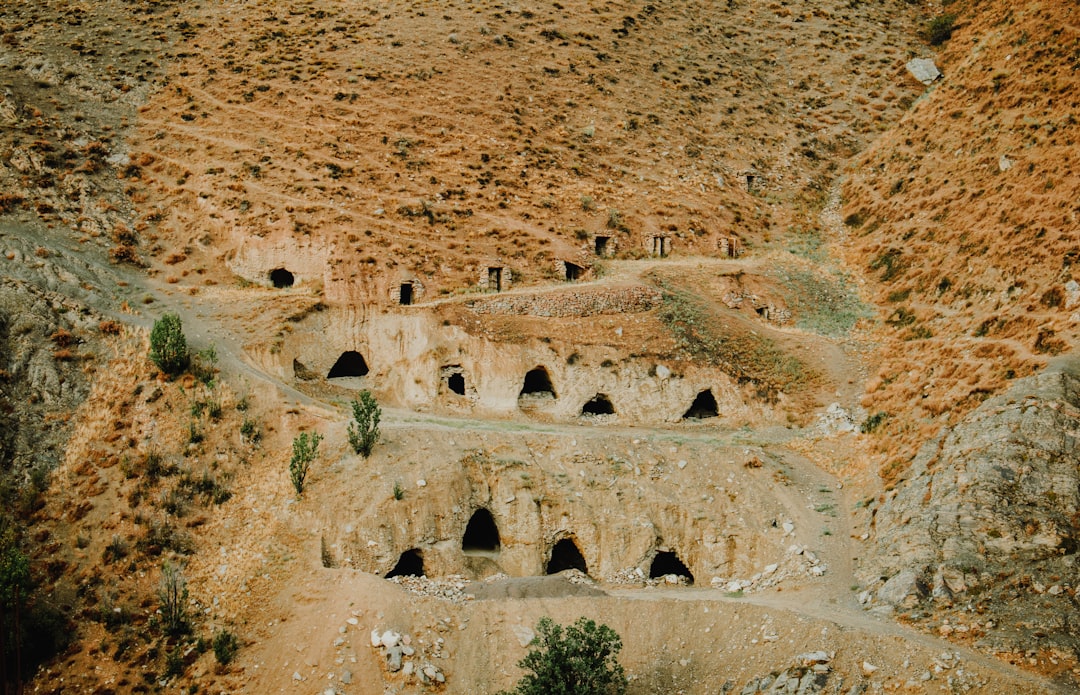
Moreover, the site’s geological features indicate it was difficult to access, further supporting the theory of prolonged isolation. Dr. Mark Johnson, who led the excavation, noted, “The site’s location suggests these Neanderthals deliberately chose isolation, possibly for protection or resource management.”
Implications for Human Evolution
This discovery has profound implications for understanding human evolution. It underscores the diversity within Neanderthal populations and their varied responses to environmental pressures. Additionally, it offers a glimpse into how isolation might have influenced their genetic development.
Experts believe that studying this group could reveal more about Neanderthal extinction. Dr. Samantha Lee, an evolutionary biologist, explained, “This isolated population may provide insights into the factors that led to Neanderthal decline and eventual disappearance.”
Future Research Directions
Researchers plan to conduct further excavations at the site to uncover more artifacts and remains. They aim to understand the social structures and daily lives of these isolated Neanderthals. Additionally, they hope to compare this population’s DNA with other Neanderthal groups to explore possible interactions.
In conclusion, the discovery of this isolated Neanderthal group opens new avenues for research. It challenges existing theories and highlights the complexity of Neanderthal history. As scientists continue to study these ancient humans, new revelations will undoubtedly emerge, reshaping our understanding of the past.
Source Attribution: Original reporting by ZME Science. For more information, visit the original article.
About The Author


