February’s Full Snow Moon to Illuminate Weekend Sky
3 min read
February’s Full Snow Moon: A Celestial Spectacle
Stargazers are in for a treat this weekend as February’s full snow moon graces the night sky. The moon will peak at 5:09 p.m. ET on Sunday, offering a breathtaking view near sunset. This celestial event coincides with the anticipation surrounding NASA’s upcoming Artemis II mission, which aims to send astronauts around the moon.
The snow moon, named for the heavy snowfall typically experienced in February, provides an excellent opportunity for both amateur and professional astronomers to enjoy the night sky. As the second full moon of the year, it holds significant cultural and scientific importance.
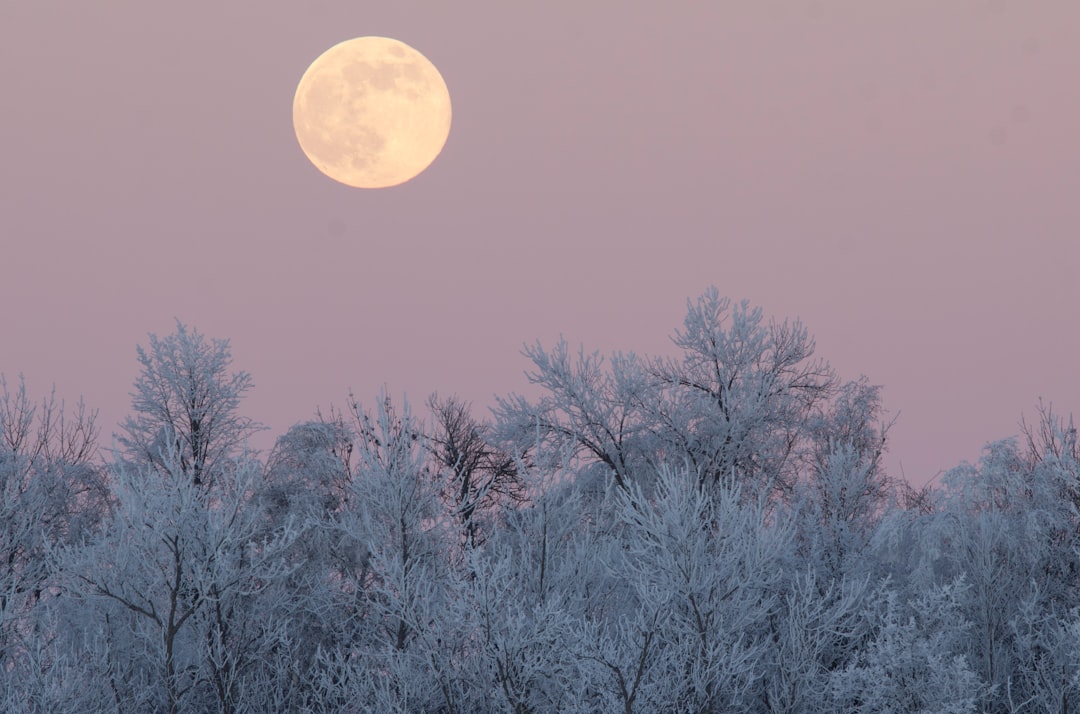
The Significance of the Snow Moon
February’s full moon is traditionally called the snow moon due to the heavy snowfalls that occur during this month in the Northern Hemisphere. Native American tribes and early colonial Americans named this moon for practical reasons. The harsh weather conditions made hunting difficult, and the snow moon served as a reminder of the challenges faced during winter.
In modern times, the snow moon continues to capture the imagination of skywatchers worldwide. Wikipedia provides a detailed history of full moon names and their cultural significance.
Artemis II Mission Preparations
Meanwhile, NASA is making final preparations for the Artemis II mission. This mission will be the first crewed lunar flyby since the Apollo era. Four astronauts will embark on a historic journey around the moon, paving the way for future lunar exploration.
The Artemis II mission is a critical step in NASA’s long-term goal of establishing a sustainable human presence on the moon. This mission will test new technologies and gather valuable data for future missions. The NASA website offers more information on the Artemis program and its objectives.
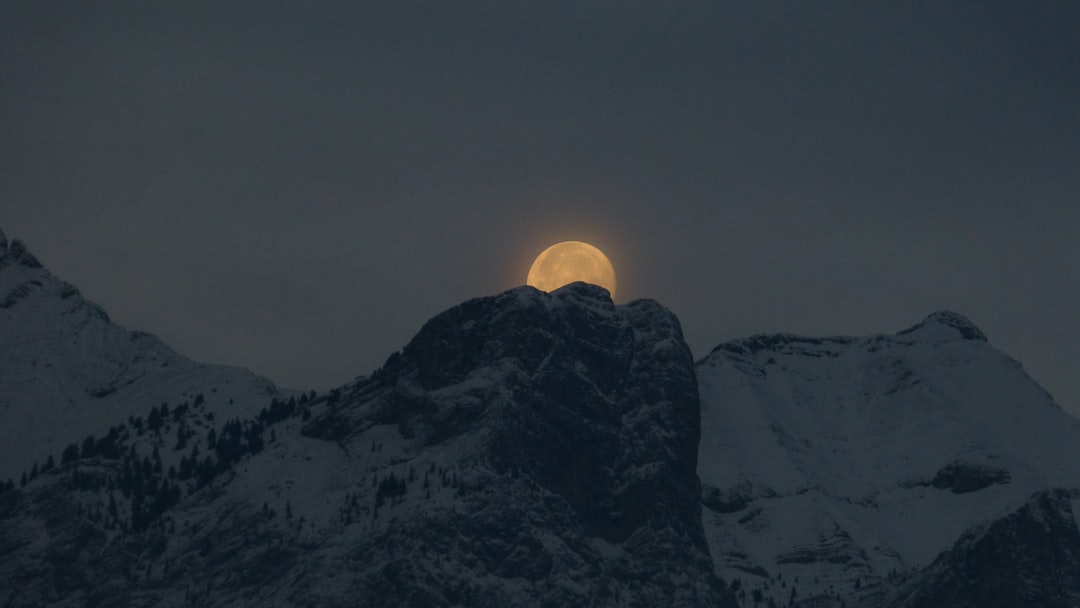
How to View the Snow Moon
Viewing the snow moon does not require any special equipment. Simply find a location with a clear view of the eastern horizon. As the moon rises, its light may appear reddish due to the Earth’s atmosphere, creating a stunning visual effect.
For best results, try to observe the moon from a location away from city lights. This will enhance visibility and allow you to see more details. Many astronomy websites, such as Time and Date, provide detailed information on moonrise and moonset times in your area.
The Future of Lunar Exploration
In conclusion, February’s full snow moon offers more than just a beautiful sight. It serves as a backdrop to the exciting advancements in space exploration. As the Artemis II mission prepares for launch, the world watches in anticipation.
Future lunar missions will build on the successes of Artemis II, ultimately leading to a sustained human presence on the moon. This could open new frontiers in scientific research, resource utilization, and even tourism. The snow moon reminds us of the wonders of our universe and the potential for human exploration beyond our planet.
To learn more about the cultural and scientific significance of the snow moon, visit CNN’s detailed coverage.
Source Attribution
This article is based on information verified by CNN and other reputable sources.
About The Author
