James Webb Reveals Sun’s Future in Stunning ‘Eye of God’ Image
3 min read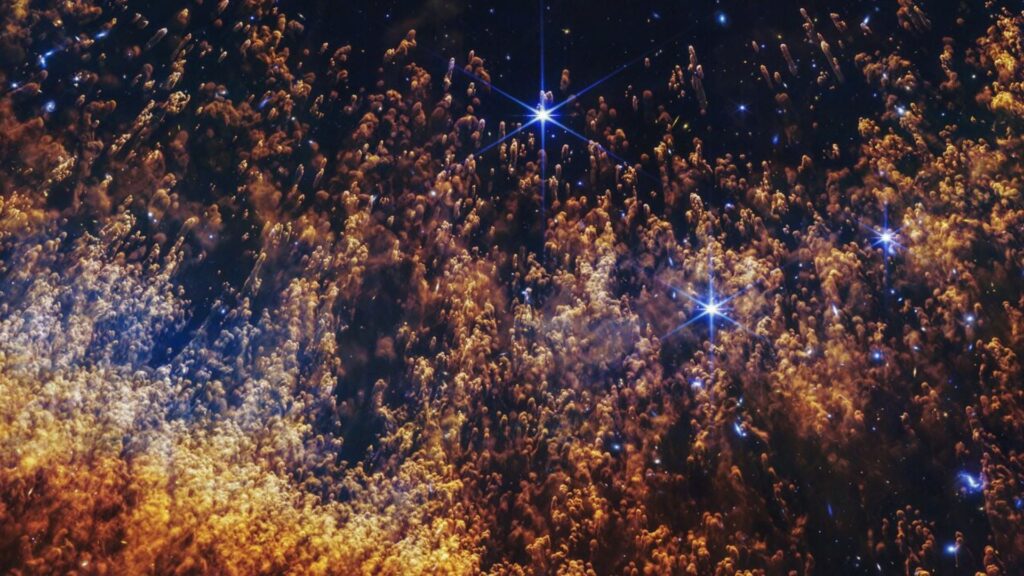
Introduction to the Helix Nebula
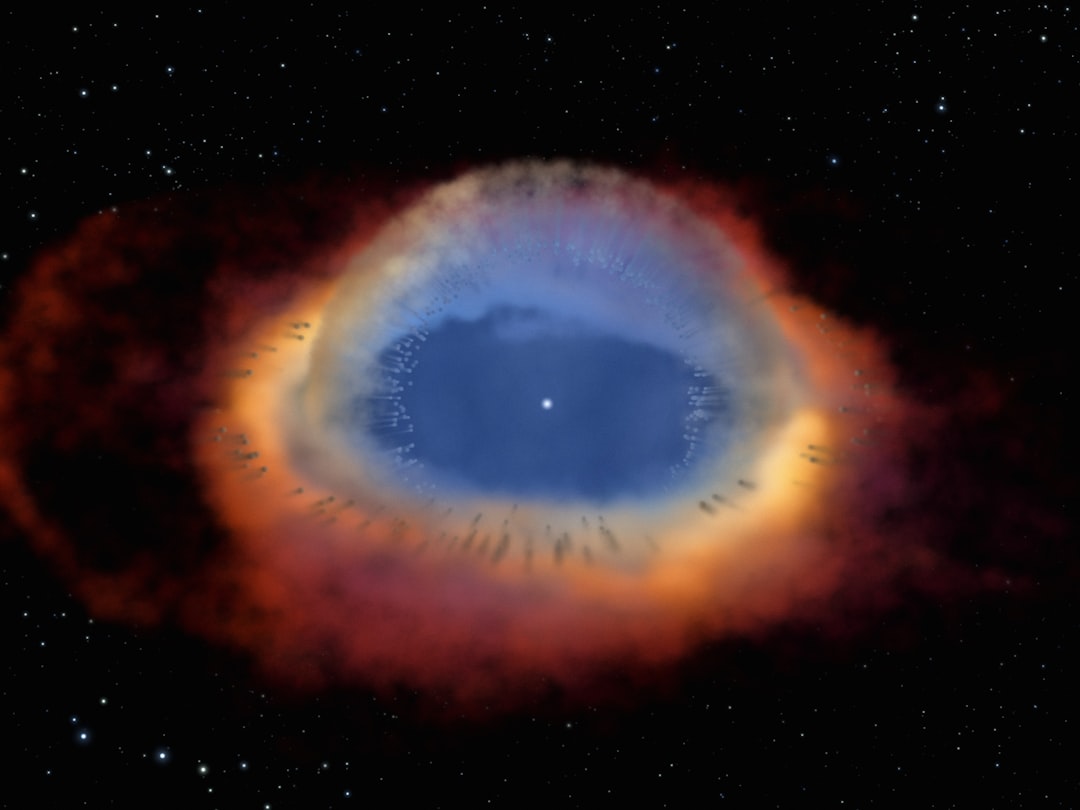
The James Webb Space Telescope has unveiled a breathtaking image of the Helix Nebula, offering insights into the eventual fate of our own sun. This vibrant depiction, often referred to as the ‘Eye of God,’ showcases the intricate structures of a dying star, located 655 light-years away in the constellation Aquarius. This revelation not only provides a glimpse into stellar death but also enriches our understanding of the galaxy’s life-sustaining elements.
The image, shared on January 20, 2026, has captivated astronomers and the public alike. The Helix Nebula, also known as NGC 7293 and Caldwell 63, is a planetary nebula, a glowing shell of ionized gas ejected from red giant stars. Live Science highlighted this latest achievement of the James Webb Space Telescope.
The Significance of the Helix Nebula
The Helix Nebula is significant for several reasons. Firstly, it provides a preview of what will happen to our sun in about 5 billion years. As stars like the sun exhaust their nuclear fuel, they shed their outer layers, creating a nebula. The remaining core eventually becomes a white dwarf, a dense remnant of its former self.
Furthermore, the Helix Nebula demonstrates the cosmic recycling of elements. The process of stellar death releases essential elements like carbon, nitrogen, and oxygen into space. These elements subsequently contribute to the formation of new stars and planets, and even life itself. Wikipedia provides a comprehensive background on planetary nebulas.
James Webb Space Telescope’s Role
The James Webb Space Telescope continues to push the boundaries of celestial discovery. It operates as a successor to the Hubble Space Telescope, offering unprecedented resolution and sensitivity to observe distant galaxies, stars, and nebulae. The Webb telescope’s advanced instruments allow astronomers to study the chemical compositions and physical structures of astronomical phenomena in greater detail than ever before.
Moreover, the telescope’s contribution to the study of the Helix Nebula helps scientists understand the life cycles of stars and the evolutionary processes of galaxies. This knowledge is crucial for modeling the universe’s past and predicting its future. NASA’s official website offers further insights into the mission and capabilities of the James Webb Space Telescope.
Implications for the Future
The study of the Helix Nebula and similar astronomical objects has profound implications for understanding our universe. By learning more about the death of stars like our sun, scientists can refine models of stellar evolution and galactic development. Additionally, these findings aid in the search for habitable planets and extraterrestrial life by elucidating the distribution of life-essential elements across the cosmos.
In the coming years, astronomers anticipate further discoveries from the James Webb Space Telescope. As it continues to explore the vast expanse of space, it will likely uncover more cosmic phenomena that challenge our existing knowledge and inspire new questions about the universe.
Conclusion
In conclusion, the James Webb Space Telescope’s observation of the Helix Nebula offers a glimpse into the future of our sun and the broader cosmic lifecycle. This remarkable image serves as a testament to the ongoing advancements in astronomical research and technology. As the telescope continues its mission, it promises to further illuminate the mysteries of the universe, advancing our understanding of the cosmos and our place within it.
Source Attribution: Information verified and sourced from Live Science.
About The Author


