NASA Rover Discovers Coral-Like Rock on Mars
2 min read
Uncovering Martian Mysteries
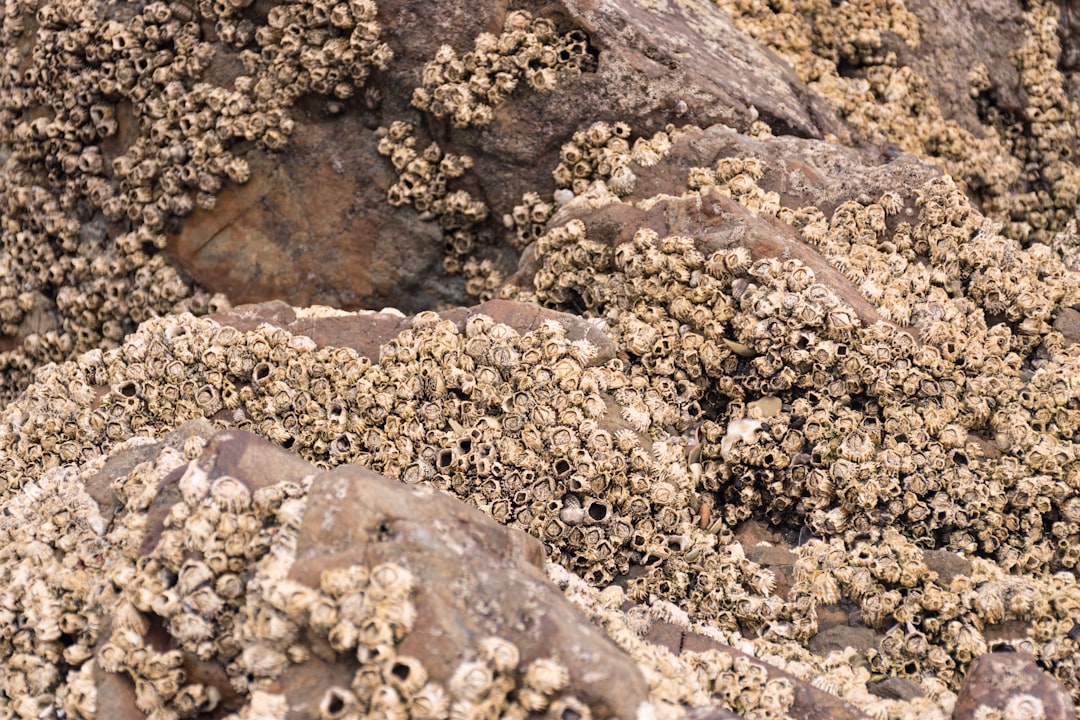
NASA’s Curiosity rover has captured a remarkable image of a coral-shaped rock on Mars, sparking intrigue among scientists. The photograph, taken in July 2023, reveals a formation just an inch wide. However, it holds significant geological information, potentially revealing secrets of ancient Martian water. The Daily Galaxy first reported this fascinating discovery.
Geological Significance of the Discovery
The coral-like structure’s formation provides crucial insights into Mars’ geological history. Experts suggest that such formations could have developed billions of years ago when water was more abundant on the planet. NASA’s Mars Science Laboratory explains that understanding these formations helps scientists reconstruct Mars’ past climate and environmental conditions.
The Role of Water in Formation
Water is a critical factor in shaping geological formations. On Earth, coral reefs form in water bodies, suggesting that Mars’ coral-like rock might indicate past water presence. Consequently, scientists are excited about what this could mean for understanding Mars’ potential for life. Water on Mars remains a pivotal subject of study.
Implications for Future Mars Exploration
Discoveries like this coral-like rock influence future exploration missions. NASA aims to gather more data on such formations to understand the planet’s habitability better. Furthermore, these findings can guide future missions, such as the planned Mars 2020 mission by Perseverance rover, which seeks to collect rock and soil samples for detailed analysis.
Potential for Life on Mars
Although the coral-like rock itself does not indicate life, it adds to the puzzle of Mars’ past habitability. Scientists continue to search for evidence of past life by examining similar formations. The presence of water in Mars’ history raises exciting possibilities for microbial life existence, making such discoveries crucial.
Conclusion: Mars’ Secrets Continue to Unfold
NASA’s discovery of the coral-shaped rock on Mars enriches our understanding of the Red Planet. As researchers delve deeper into these findings, they hope to unlock more mysteries of Mars’ history. In conclusion, this discovery marks another step in humanity’s quest to explore and understand our neighboring planet.
Source: The Daily Galaxy
About The Author


