Scientists Drill Thwaites Glacier to Study Melting
2 min read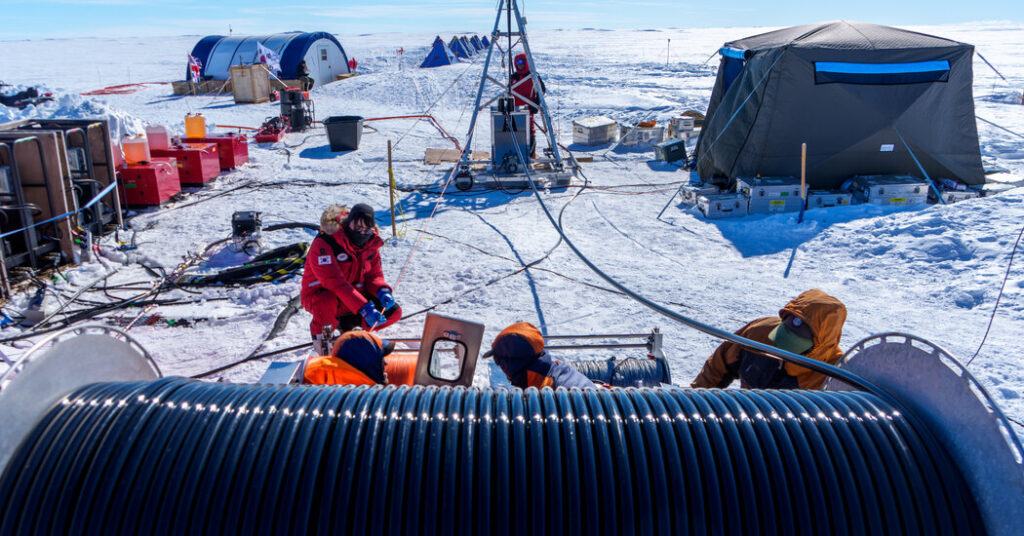
Introduction
On Wednesday, a team of scientists embarked on a groundbreaking mission to understand the dynamics of one of Antarctica’s largest glaciers, Thwaites Glacier. This glacier, often referred to as the “Doomsday Glacier,” holds significant implications for global sea levels. Researchers from the United Kingdom and South Korea are leading this initiative. They aim to drill through the glacier’s thick ice to place instruments in the waters below. This effort could provide crucial insights into how rapidly this massive ice formation is melting.
The Mission: Drilling into Thwaites Glacier
Thwaites Glacier has become a focal point for climate researchers due to its rapid rate of melting. The team, equipped with a hot-water drill, intends to punch through the ice sheet, which is several kilometers thick. Their primary goal is to install scientific instruments beneath the ice. These instruments will gather data on temperature, salinity, and ocean currents.
Read more about the mission from The New York Times.
Why Thwaites Glacier Matters
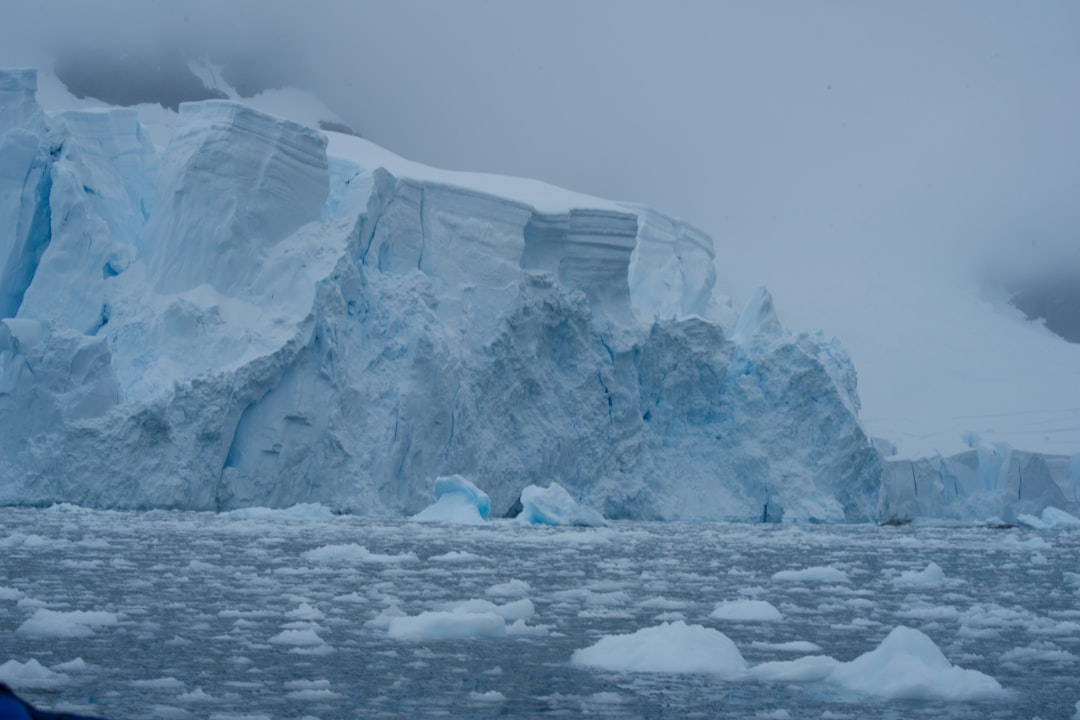
Thwaites Glacier covers an area roughly the size of Florida. Its potential collapse poses a significant threat to global coastlines. If it melts entirely, sea levels could rise by over three meters. Consequently, understanding the glacier’s behavior is critical for predicting future sea-level rise.
According to Dr. Anna Smith, a lead researcher on the project, “Studying Thwaites provides us with valuable data on how glaciers respond to climate change. This knowledge is crucial for developing strategies to mitigate its impacts.”
Challenges and Technological Innovations
Drilling into the glacier presents numerous challenges. The harsh Antarctic environment and thick ice layers require advanced technology. The team uses a state-of-the-art hot-water drill capable of melting through ice efficiently. Furthermore, the remote location necessitates logistical planning for transporting equipment and researchers to the site.
Moreover, researchers must ensure that their presence and activities do not disturb the natural environment. The project adheres to strict environmental guidelines to minimize its impact, ensuring that scientific exploration is sustainable.
Potential Implications for Climate Science
Learning more about Thwaites Glacier can significantly impact climate science. The data collected will enhance models predicting sea-level rise and climate change. Additionally, this information can inform policymakers, helping them make data-driven decisions regarding climate action.
Learn more about Thwaites Glacier on Wikipedia.
Conclusion
In conclusion, the drilling mission at Thwaites Glacier is a pivotal step in understanding one of the most critical components of our planet’s ice systems. As a result, the insights gained could shape global responses to climate change. As research progresses, scientists hope to uncover new information that could redefine our approach to environmental challenges.
For further reading, visit the British Antarctic Survey website for updates on the project.
Source Attribution: Original source verified by The New York Times. Published on January 30, 2026. Read the full article.
About The Author


