Seismic Sensors Uncover Space Junk Crash Sites
3 min read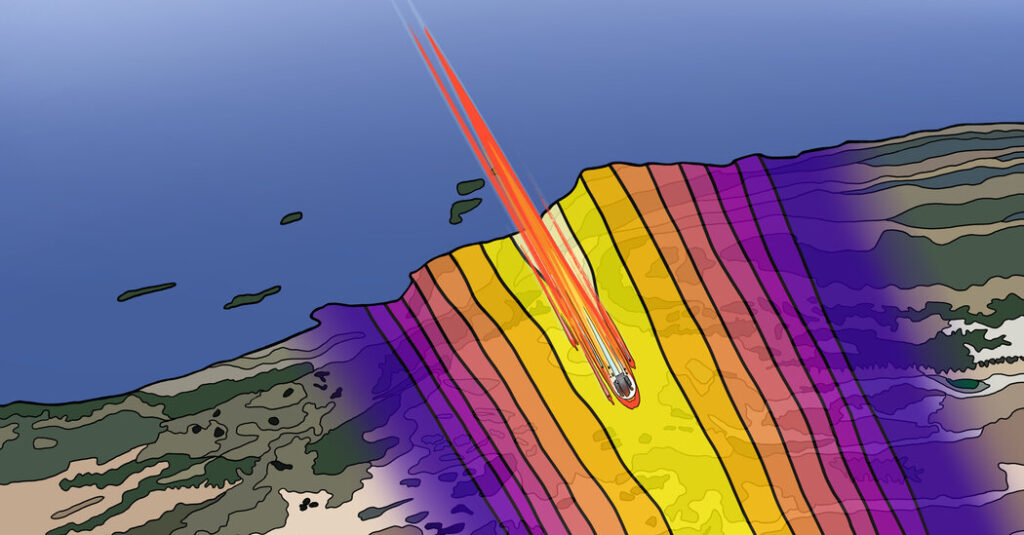
The Growing Threat of Space Debris
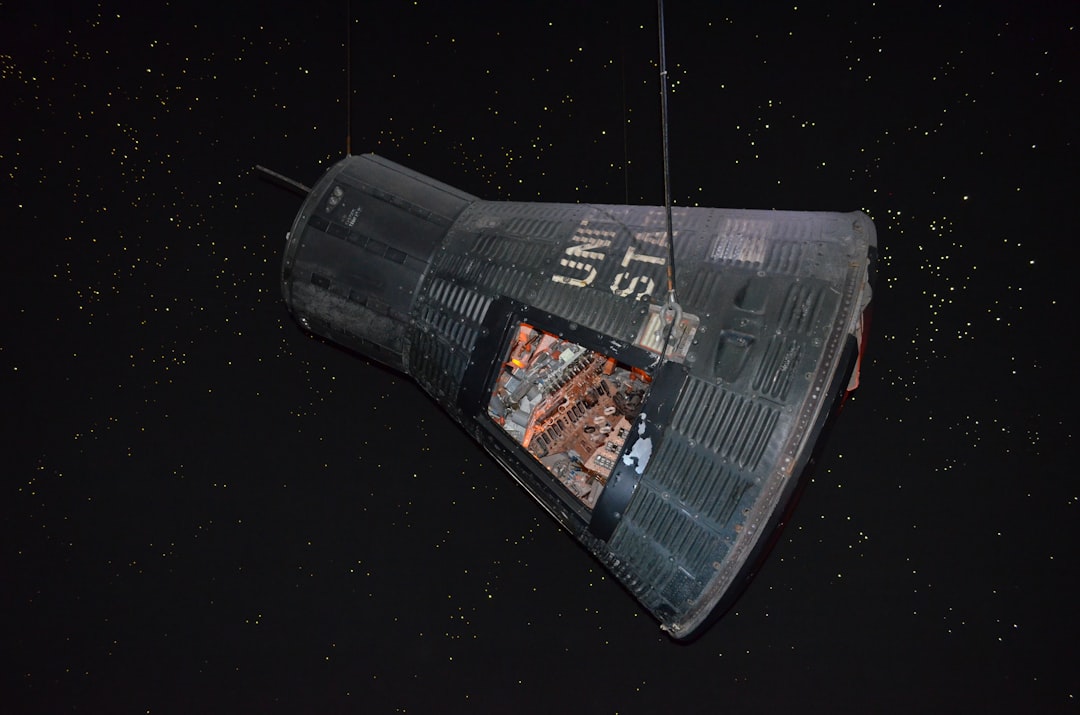
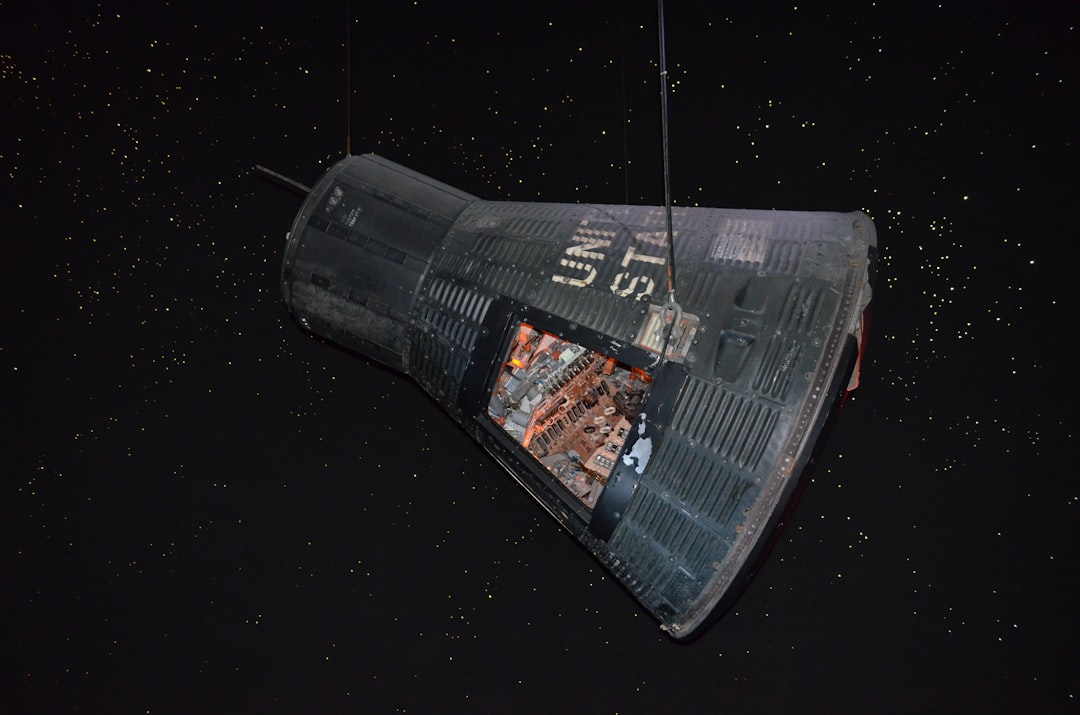
Space debris, or space junk, poses a significant threat to life on Earth. As satellites and other spacecraft become obsolete, they often return to Earth at supersonic speeds. These objects, resembling artificial meteors, create sonic booms and seismic waves upon reentry. The New York Times reports that these phenomena can now help scientists pinpoint crash sites, potentially preventing harm to human life and property.
Seismic Sensors: A New Frontier in Space Safety
Benjamin Fernando, a planetary seismologist, leads research into using seismic sensors for detecting space debris impacts. These sensors, traditionally used for monitoring earthquakes, can capture the unique signals generated by falling debris. Fernando’s team has developed methods to differentiate these signals from natural seismic activity. Consequently, this advancement could revolutionize how we track and respond to space debris events.
How Sonic Booms and Seismic Waves Work Together
When space debris enters the Earth’s atmosphere, it travels faster than the speed of sound. This rapid entry generates a sonic boom, a powerful shockwave that can be detected by specialized equipment. Additionally, when the debris hits the ground, it produces seismic waves. Both phenomena provide valuable data for scientists. By analyzing these signals, researchers can estimate the debris’ trajectory and impact location.
Implications for Global Safety and Policy
The ability to detect space debris impacts could significantly improve global safety. For instance, if a large piece of debris is predicted to crash near a populated area, authorities could evacuate residents or take protective measures. Moreover, this technology could influence international space policy. Nations might be more inclined to collaborate on space debris mitigation efforts, knowing that impacts can be accurately tracked.
Furthermore, the integration of seismic technology into global space monitoring efforts underscores the need for comprehensive data sharing. International cooperation is essential to address the growing issue of space debris. The background on space debris highlights the urgency of these efforts.
The Future of Space Debris Monitoring
As space exploration continues to expand, the volume of orbital debris will likely increase. Therefore, developing effective monitoring systems is crucial. Researchers are exploring additional technologies that could complement seismic sensors, such as radar and optical telescopes. Furthermore, advancements in AI and data analytics may enhance the accuracy and speed of debris detection and impact prediction.
Overall, the work of Fernando and his team represents a significant step forward in the battle against space debris. By utilizing seismic sensors, they offer a promising solution to one of modern science’s most pressing challenges. Future innovations in this field could ensure a safer world for all.
“The ability to detect and analyze space debris impacts is a game-changer for planetary safety,” Fernando stated in a recent interview.
Conclusion: A Safer Future Through Science
In conclusion, the integration of seismic sensors in tracking space debris impacts promises to enhance global safety. As technology advances, these systems will become more sophisticated, providing better protection against the dangers of space junk. International collaboration and continued research are crucial to managing this evolving threat effectively.
Source Attribution: Information verified by The New York Times.
About The Author


