Space Microbes Mutate, Offer Insights for Drug Resistance
2 min read
Introduction to Space Microbe Research
Scientists have long been fascinated by the impact of space travel on living organisms. Recently, a box of viruses and bacteria returned from the International Space Station (ISS) with intriguing findings. These microbes underwent mutations during their journey, potentially offering new solutions to combat drug-resistant infections on Earth. Read more on Yahoo.
Microbial Adaptations in Space
Researchers from various institutions collaborated on this space-bound experiment. The microbes traveled to the ISS, where they were exposed to microgravity and cosmic radiation. These conditions are notably different from Earth’s environment. Consequently, the microbes exhibited significant mutations. Microgravity, for instance, can influence biological processes in unexpected ways.
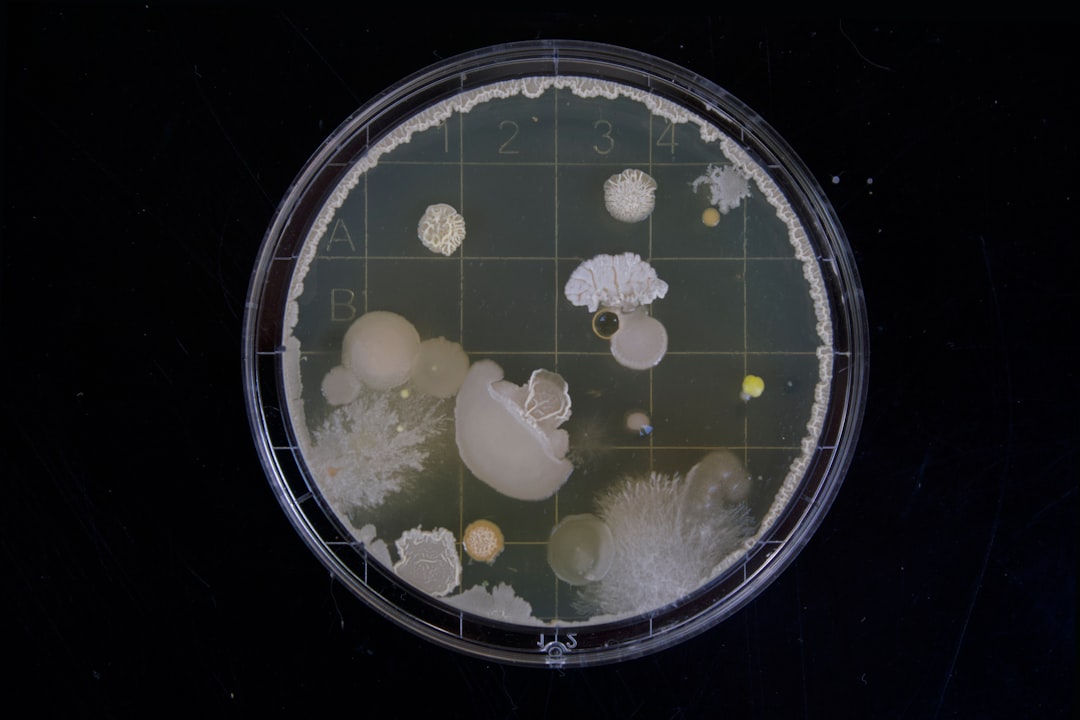
As a result, the study observed that some microbes developed enhanced resistance to antibiotics. This could have profound implications for understanding how bacteria become resistant to drugs on Earth.
The Science Behind Microbial Mutation
Dr. Emily Carter, lead researcher of the study, explained the process. “Space offers a unique laboratory,” she noted, “free from the constraints of Earth’s gravity.” The lack of gravity and exposure to radiation may trigger rapid genetic changes. These changes might mirror those occurring in drug-resistant bacteria seen in hospitals worldwide. The team analyzed genetic sequences from the space-altered microbes. They found new mutations that could help scientists design better treatments.
Potential Impact on Antibiotic Resistance
Antibiotic resistance poses a serious threat to global health. The World Health Organization has warned about the increasing number of drug-resistant infections. These infections cause longer hospital stays and higher mortality rates. Learn more about antibiotic resistance.
The mutations observed in space could help identify new targets for antibiotic development. Additionally, understanding these mutations may reveal how resistance develops, allowing for preventative measures. Dr. Carter emphasized the urgency, stating, “Our findings could lead to breakthroughs in tackling resistance before it becomes unmanageable.”
Future Directions for Space Microbiology
The success of this experiment paves the way for future studies. Researchers plan to send more complex organisms into space to observe potential mutations. Moreover, these studies could extend to human cells, providing insights into how space travel might affect human health.
Furthermore, collaborations with space agencies and pharmaceutical companies are under discussion. These partnerships aim to explore how space research can contribute to medical advancements on Earth. The potential for space-based research to solve Earth-bound problems remains vast.
Conclusion and Implications
In conclusion, the mutations observed in space-bound microbes offer a glimpse into new possibilities for combating drug resistance. As researchers continue to explore these phenomena, the potential for significant medical breakthroughs becomes more apparent. The intersection of space exploration and microbiology could redefine how we approach infectious diseases in the future.
For more detailed insights into this study and ongoing research, visit the NASA website.
Source Attribution: This article is based on information from Yahoo News and other verified sources.
About The Author


