Space Study Unveils Rapid Bacterial Evolution, Offers Hope
2 min read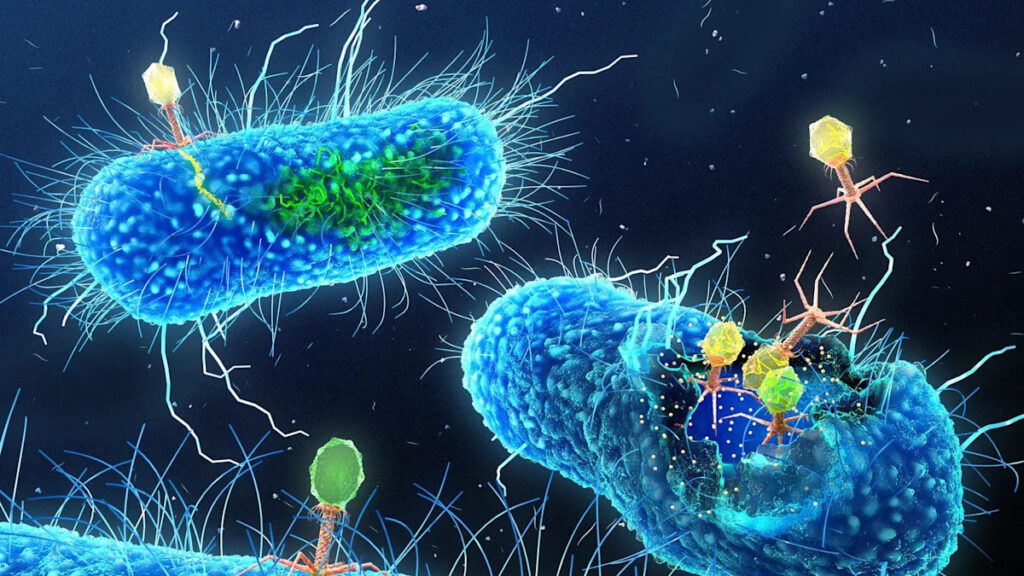
Unveiling a Cosmic Battle: Bacteria versus Viruses
In a groundbreaking experiment, scientists observed a fascinating interaction between E. coli bacteria and T7 bacteriophages aboard the International Space Station (ISS). The study sought to compare how these entities evolved in space versus on Earth. The results could pave the way for novel medical treatments.
Read the original source for more details.
The Rising Threat of Antibiotic Resistance
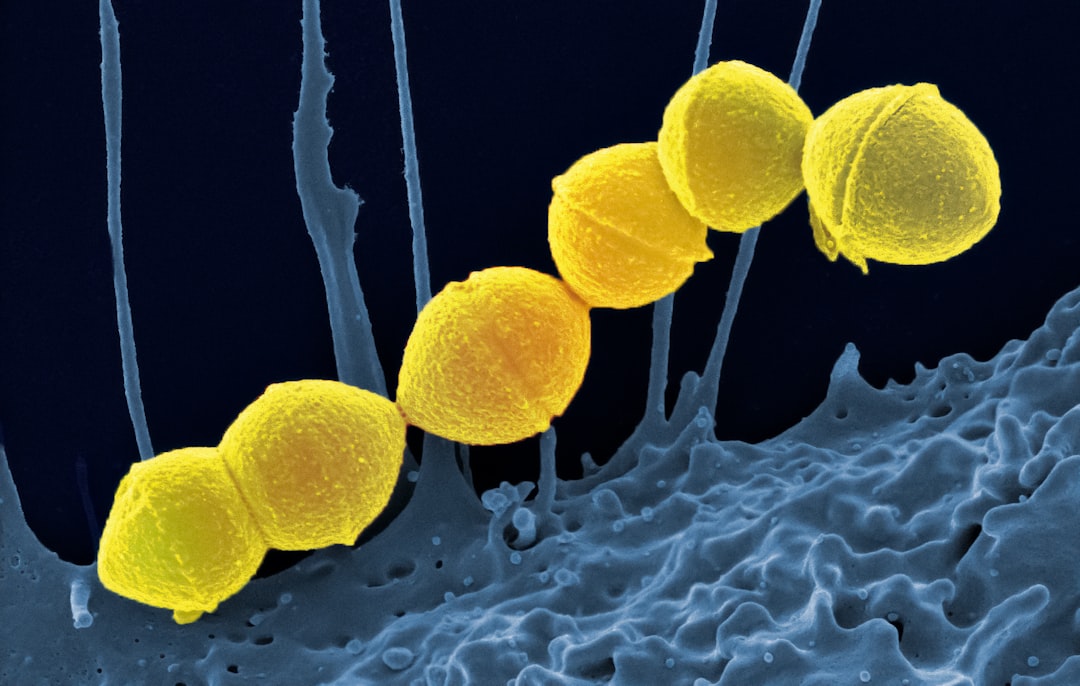
Antibiotic resistance poses a severe threat to global health. Superbugs, which are bacteria resistant to multiple antibiotics, have become increasingly common. Wikipedia explains that traditional antibiotics are losing effectiveness, prompting researchers to seek alternative solutions.
In particular, bacteriophages, viruses that specifically target bacteria, offer a promising avenue for treatment. They have shown potential in combating superbugs that withstand conventional drugs.
Space as a Unique Laboratory
The International Space Station provides a unique environment to study biological processes. Microgravity affects organisms differently than Earth’s gravity. NASA’s research aims to understand these effects fully.
During the study, scientists observed rapid evolutionary changes in the E. coli and T7 bacteriophage interactions. These changes could lead to new insights into bacterial resistance and phage therapy.

Implications for Future Treatments
Researchers believe that understanding how bacteria and phages evolve in space can inform future treatments on Earth. The CDC stresses the importance of developing new treatment methods as antibiotic resistance grows.
Moreover, this experiment highlights the potential of phage therapy as a viable alternative to antibiotics. It could revolutionize the way we approach bacterial infections.
Looking Ahead: The Path to Phage Therapy
In conclusion, while the research is still in its early stages, the findings from the ISS provide valuable insights. These insights might lead to breakthroughs in fighting antibiotic-resistant bacteria.
As scientists continue to explore the potential of phage therapy, the hope is that it will become a standard treatment option. This could change the landscape of medical treatments significantly.
For additional information, visit the World Health Organization site on antimicrobial resistance.
Source Attribution: This article is based on information from Yahoo News, published on January 30, 2026.
About The Author


