Calls to Boycott U.S. World Cup Amid Immigration Concerns
3 min read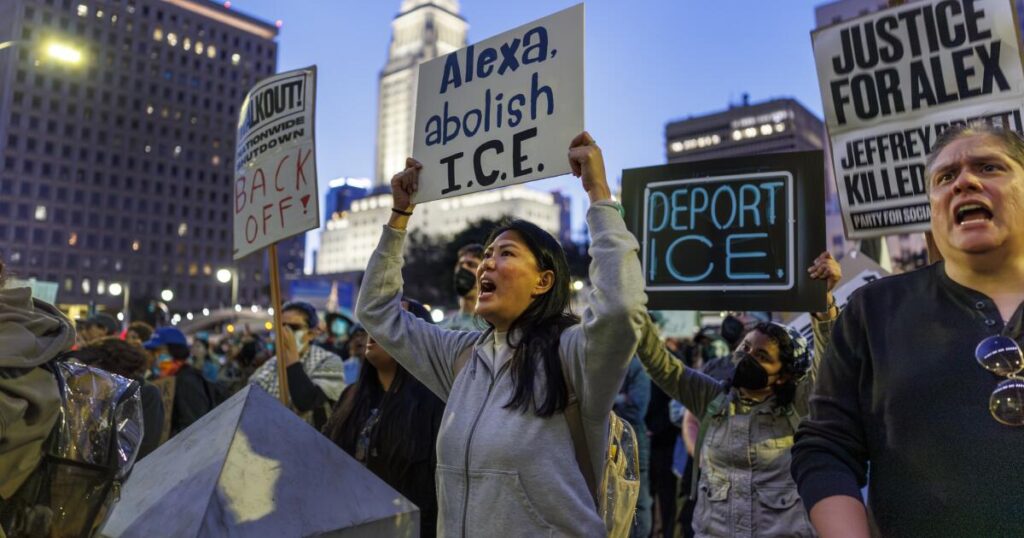
Growing Call for Boycott
International leaders are increasingly urging a boycott of the U.S. World Cup matches this summer. This follows recent fatal shootings by U.S. Immigration and Customs Enforcement (ICE) agents and aggressive immigration policies. Oke Gottlich, vice president of the German Football Association, expressed concerns about the safety and ethics of participating in the tournament under current conditions. He suggested reevaluating the decision to play in the United States.
Read the original article here.
Reasons Behind the Boycott
The call to boycott stems from two recent fatal shootings involving ICE agents. These incidents have intensified scrutiny on U.S. immigration policies. The international community has criticized the U.S. for its handling of immigration issues, with many deeming its tactics as hostile. Consequently, this has sparked debates over whether the country should host such a global event.
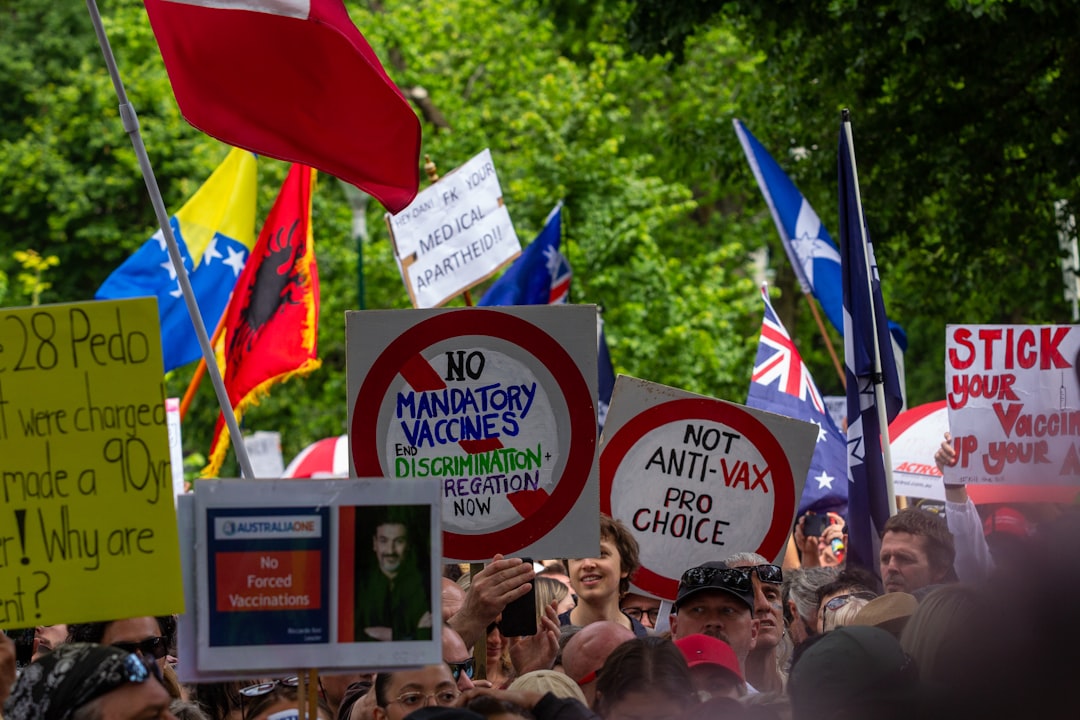
Furthermore, the actions of ICE have drawn widespread condemnation from human rights organizations. For instance, Amnesty International has repeatedly criticized these tactics as inhumane. The organization argues that the current environment in the U.S. is not conducive to hosting a peaceful and inclusive event.
For more information on ICE’s activities, visit the official ICE website.
Responses from Global Leaders
Leaders from several countries, including Germany and France, have voiced their concerns. They have questioned the appropriateness of the U.S. as a host amidst such controversies. Moreover, many see the boycott as a necessary step to pressure the U.S. to revise its policies.
French President Emmanuel Macron stated, “Sports should unite, not divide. The current climate in the U.S. raises serious questions about inclusivity and safety for international players and fans alike.” His statement reflects a growing sentiment among European leaders who are considering diplomatic measures if the situation does not improve.
Impact on the Tournament
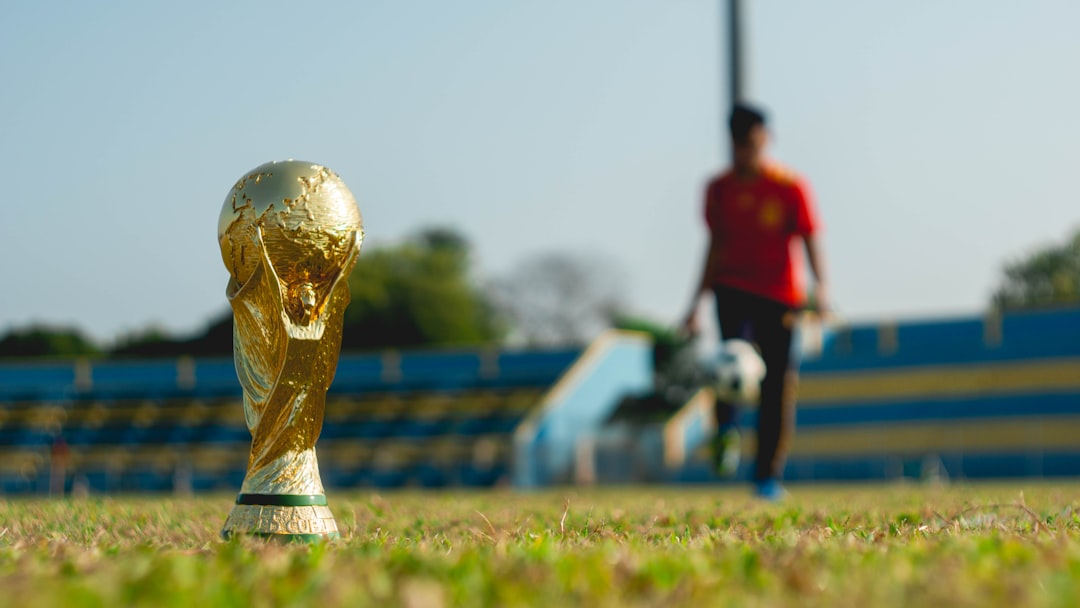
The potential boycott could significantly impact the tournament. FIFA has yet to make an official statement, but the organization may face pressure to reconsider the venue. Historically, FIFA has moved events when geopolitical tensions threaten the safety and spirit of the games.
On the other hand, some argue that sports should remain separate from politics. They believe the World Cup can serve as a platform for dialogue and change. However, the prospect of low attendance and reduced participation could tarnish the event’s success.
For background on FIFA’s policies, visit the FIFA official website.
Future Implications
In conclusion, the call for a boycott of U.S. World Cup matches highlights broader issues of global diplomacy and human rights. If leaders continue to push for boycotts, the U.S. may need to address these concerns urgently. Failure to do so could lead to long-term consequences for its reputation in international sports.
The situation remains fluid, and developments are expected in the coming weeks. Overall, the world will watch closely to see how both the U.S. government and FIFA respond to these growing calls for action.
For additional context on the World Cup, see the Wikipedia page on the FIFA World Cup.
Source: Los Angeles Times, January 27, 2026
About The Author