Canada’s Defense Spending Sparks Controversy at Davos
2 min read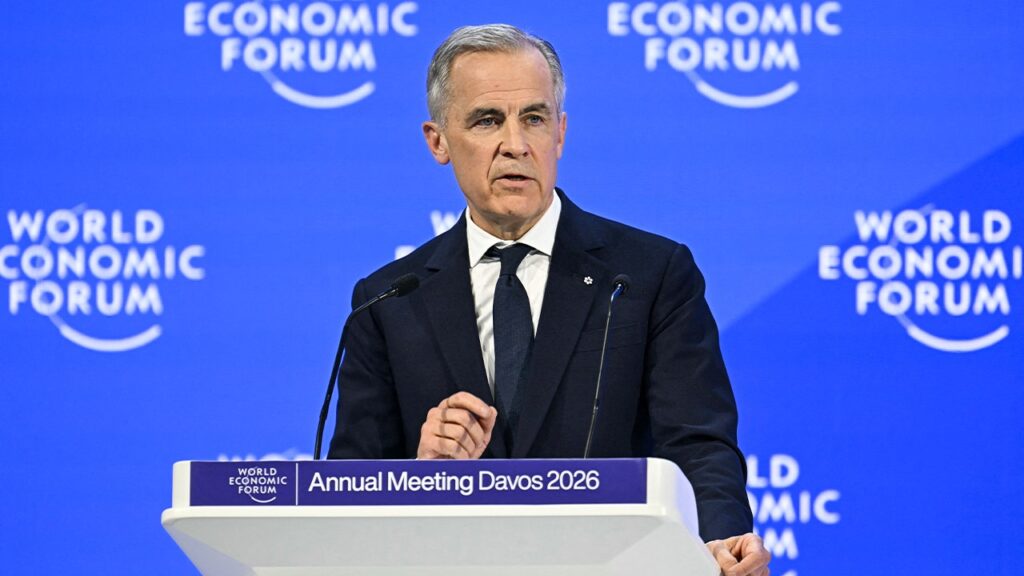
Canada’s Defense Spending Under Scrutiny
At the recent World Economic Forum in Davos, Canada’s new Prime Minister, Mark Carney, delivered a controversial speech. He criticized the United States as a hegemon, while acknowledging Canada’s failure to meet NATO’s defense spending requirements. This speech has triggered a debate on Canada’s defense policies and its reliance on U.S. protection.
Canada, with a population of 42 million and a GDP of $2.4 trillion, has long fallen short of NATO’s 2% GDP defense spending guideline. NATO’s official website outlines these requirements, which Canada has struggled to meet for decades.
Mark Carney’s Controversial Remarks
Prime Minister Carney’s speech at Davos was notable for its critical tone towards the United States. He described the U.S. as a ‘hegemon’ that imposes its will on other nations. However, Carney also admitted Canada’s reliance on U.S. military protection. This dual stance has raised questions about Canada’s defense commitments.
Carney’s remarks come at a time when many nations are reevaluating their defense strategies. The original source from Fox News provides further insights into his speech and the broader implications for U.S.-Canada relations.
The Challenge of Meeting NATO Requirements
Canada has consistently fallen short of NATO’s 2% defense spending target. Currently, Canada allocates approximately 1.4% of its GDP to defense. This discrepancy has led to criticism from NATO allies, particularly the United States, which contributes significantly more.
Moreover, the debate over Canada’s defense spending highlights broader issues within NATO. Nations like Germany and Italy have also faced scrutiny for their defense budgets. For instance, Germany has pledged to increase spending, but challenges remain. Wikipedia’s NATO page offers background context on these ongoing issues.
Implications for Canada’s Defense Policy
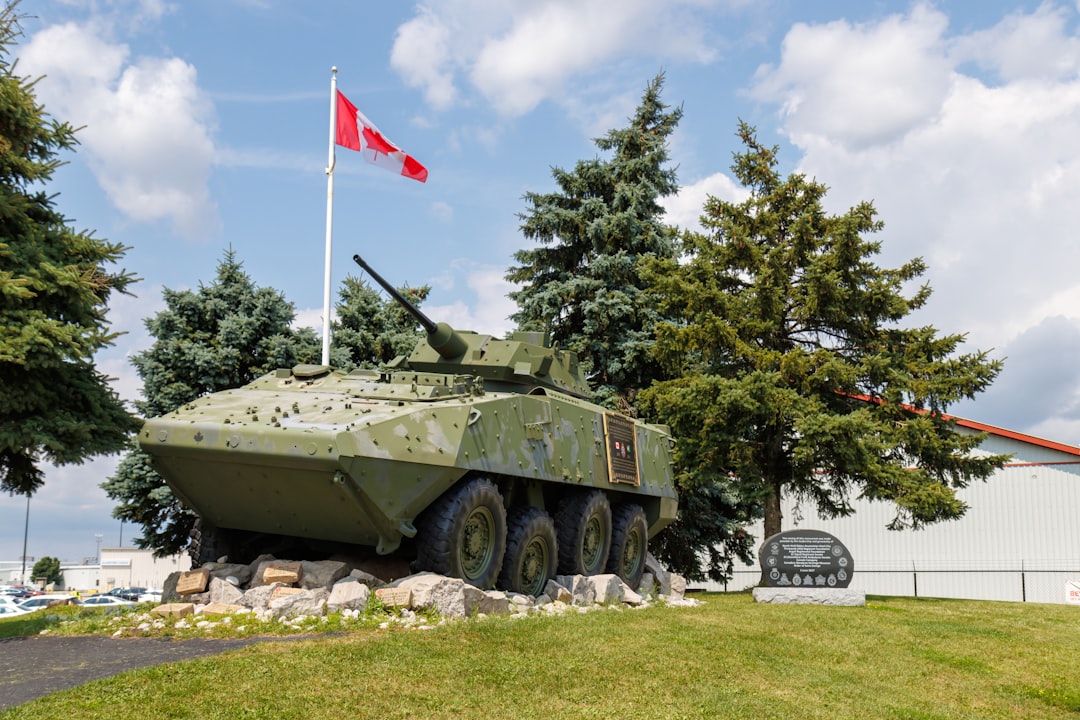
Carney’s speech may signal a shift in Canada’s defense policy. While Canada has traditionally relied on diplomatic efforts, the changing geopolitical landscape could push it towards increased military spending. Experts suggest that failing to meet NATO requirements could weaken Canada’s influence within the alliance.
Additionally, Carney’s remarks might strain U.S.-Canada relations. The U.S. has often urged Canada to enhance its defense capabilities. As a result, future negotiations between the two nations could become more complex.
Conclusion: Future Prospects
In conclusion, Prime Minister Carney’s speech at Davos has reignited debates about Canada’s role in global defense. Meeting NATO’s requirements remains a challenge, but it is crucial for maintaining strong alliances. As geopolitical tensions rise, Canada may need to reassess its defense strategies to ensure national security and international standing.
Ultimately, the outcome of this debate will have lasting implications for Canada and its position on the world stage.
Source Attribution: This article is based on information from Fox News and other reputable sources.
About The Author