China Mandates AI in School Curriculum to Boost Future Workforce
2 min read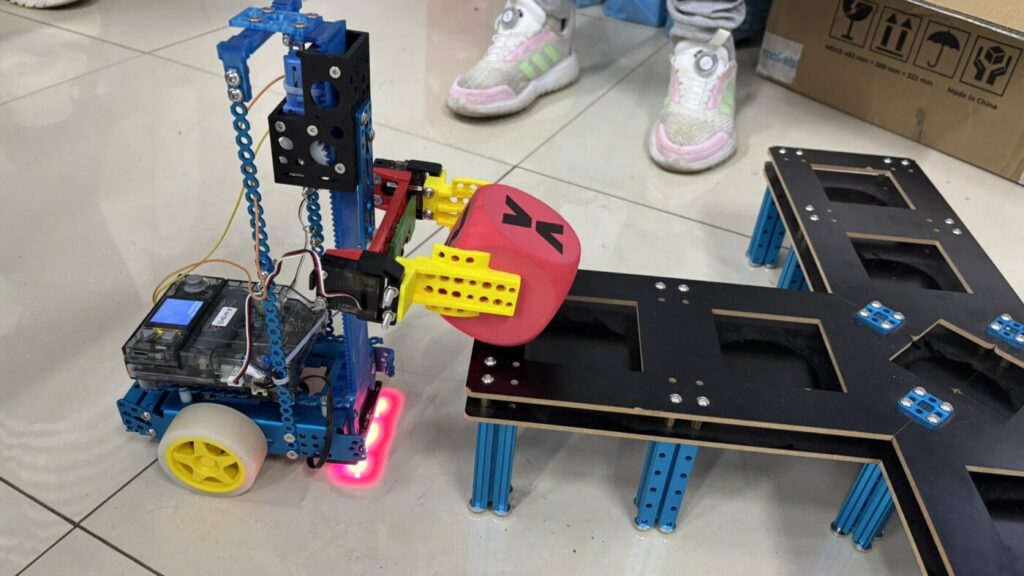
Introduction: AI Education Becomes Mandatory in China
As debates over the integration of artificial intelligence (AI) in education continue in the United States, China has taken a definitive step forward. The Chinese government has mandated AI as a core part of the school curriculum. This move aims to cultivate a new generation proficient in AI technologies. In a classroom in Beijing’s university district, 11-year-old Li Zichen showcased his skills by programming a small robot to perform complex tasks. This shift reflects China’s strategic focus on building a tech-savvy workforce for the future.
AI Integration in Chinese Schools
Chinese authorities have implemented AI education across various educational levels. From elementary schools to universities, students are now learning to code, program robots, and understand machine learning principles. This comprehensive approach ensures that students gain practical skills and theoretical knowledge. Education in China has long been aligned with national objectives. Therefore, this move is part of a broader strategy to position the country as a global leader in technology.

Global Implications and Comparisons
While China leads in integrating AI into education, other countries are still debating its potential benefits and risks. For instance, in the United States, schools vary significantly in their approach to AI education. Some institutions offer advanced AI courses, while others lack the resources to do so. According to NPR, China’s mandatory AI curriculum could widen the technological gap between countries. Consequently, this may influence global competitiveness in the tech industry.
Challenges and Criticisms
Despite the initiative’s promising potential, it faces challenges. Critics argue that the rapid implementation of AI education might lead to a one-size-fits-all approach. This could overlook individual student needs. Moreover, there is concern about the pressure on students and teachers to adapt quickly to the new curriculum. Additionally, the need for trained educators in AI is urgent. Teachers require significant upskilling to effectively deliver AI lessons.

Future Prospects and Conclusion
In conclusion, China’s decision to incorporate AI into its school curriculum is a forward-thinking strategy. It reflects the country’s commitment to future-proofing its workforce. However, this ambitious project will require careful management to address potential challenges. If successful, China could set a precedent for other nations to follow. As AI continues to evolve, educational systems worldwide may need to adapt to remain competitive. China Education Center highlights that integrating AI in education could reshape the global landscape, encouraging countries to prioritize technology in their curricula.
For more information, visit the original NPR article.
Source: NPR
About The Author