EU Aims to Reduce US Energy Dependence Amid Greenland Dispute
2 min read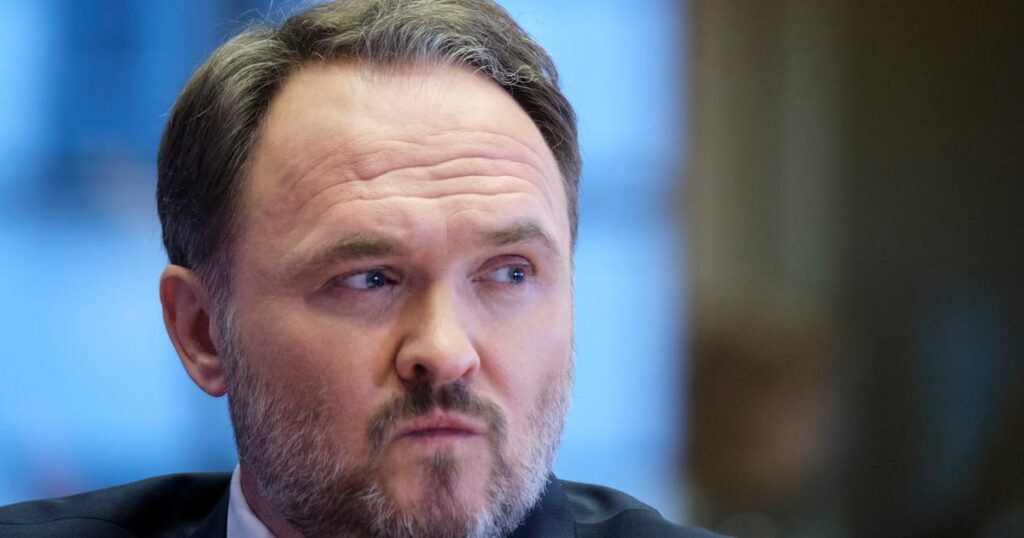
EU’s Strategic Shift in Energy Policy
The European Union plans to reduce its reliance on American liquefied natural gas (LNG) following recent geopolitical tensions. EU energy chief Dan Jørgensen announced this shift on Wednesday, labeling U.S. President Donald Trump’s threats to control Greenland as a ‘wake-up call’ for the bloc. As a result, the EU intends to diversify its energy sources, seeking alternatives to American gas supplies.
Background on the Greenland Incident
President Trump’s remarks about potentially acquiring Greenland have sparked international concern. The autonomous Danish territory has strategic significance due to its location and natural resources. Trump’s comments have underscored the need for the EU to reassess its energy security strategy, emphasizing the importance of reducing dependence on a single supplier.
Current EU Energy Strategy
Currently, the EU imports a significant portion of its LNG from the United States. However, officials recognize the risks of over-reliance. Moreover, the EU has been exploring partnerships with other countries to secure more stable energy supplies. For instance, the bloc is in talks with several North African and Middle Eastern countries to diversify its energy portfolio.
Potential Partnerships and Alternatives
Jørgensen highlighted the potential for increased cooperation with Norway and Qatar, both significant players in the global gas market. Additionally, the EU is investing in renewable energy projects to reduce its fossil fuel dependency. These efforts align with the EU’s broader commitment to combat climate change and promote sustainable energy solutions.
Furthermore, the EU has been enhancing its internal energy infrastructure. This development ensures better distribution and storage capabilities, which are crucial for handling diverse energy sources.
Implications for Transatlantic Relations
The EU’s decision may impact its relationship with the United States. However, officials maintain that diversifying energy sources is a matter of security and sustainability. The EU’s move reflects a broader trend of nations seeking energy independence in an increasingly volatile global landscape.
Conclusion: A New Era for EU Energy Policy
In conclusion, the EU’s strategy to cut its energy reliance on the U.S. marks a significant shift in its policy. This move aims to enhance the bloc’s energy security and sustainability. As the EU explores new partnerships and invests in renewable energy, it sets a precedent for other regions facing similar challenges. The coming years will likely see the EU fortify its position as a leader in sustainable and secure energy practices.
Source: Politico, January 28, 2026
About The Author