EU Finalizes Ban on Russian Gas Imports by 2027
2 min read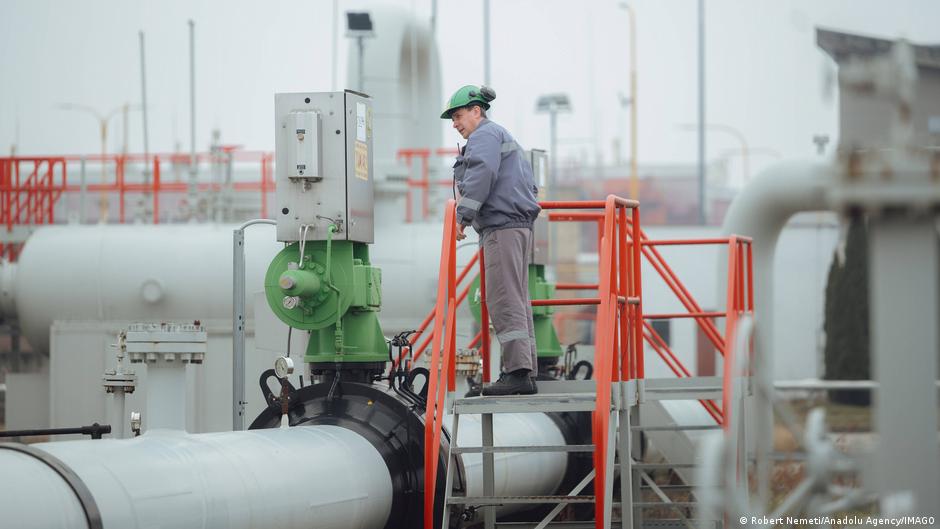
EU Ministers Approve Gas Import Ban
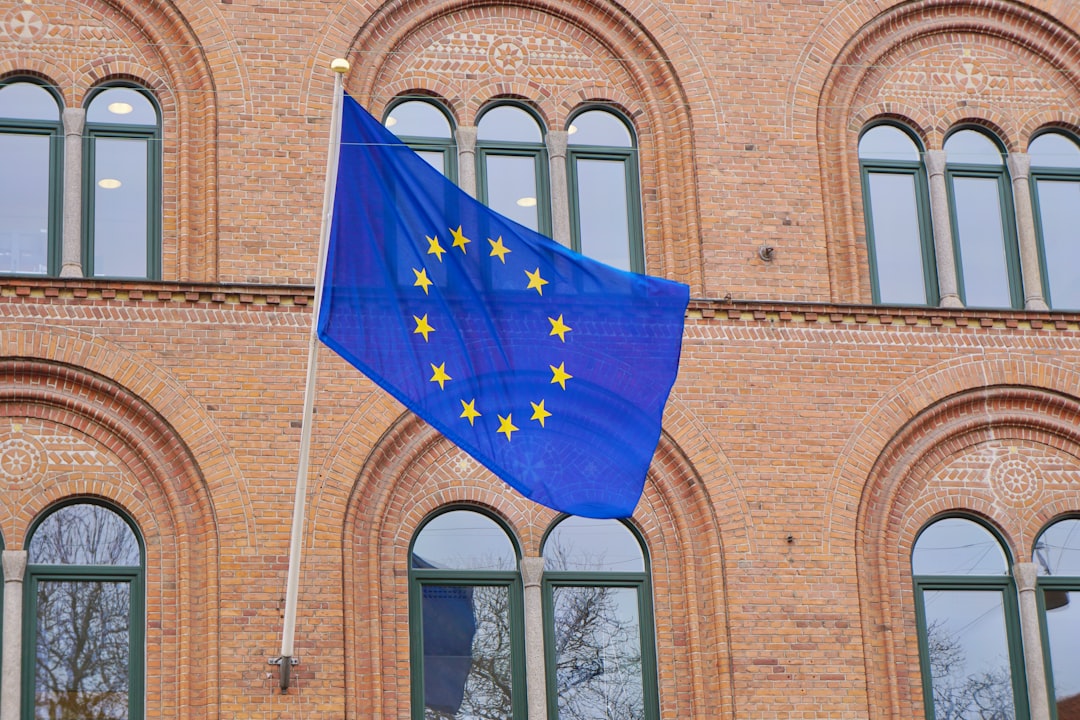
The European Union has taken a significant step toward energy independence. Ministers from all 27 EU member states have agreed to ban Russian gas imports by late 2027. This decision aims to reduce reliance on Russian energy and enhance the EU’s energy security.
Read the original report from DW.
Impact on Member States
While the decision marks a unified stance, not all countries supported the ban. Some member states, heavily reliant on Russian gas, expressed concerns about energy supply stability. Countries like Germany and Italy have historically imported a significant portion of their gas from Russia.
However, the EU plans to support these countries through alternative energy sources and financial aid. The EU Council has proposed various measures to mitigate potential disruptions.
Reasons Behind the Ban
The EU’s decision follows Russia’s aggressive actions in Ukraine and ongoing geopolitical tensions. Russia-EU relations have deteriorated significantly, prompting the EU to reduce economic ties.
Furthermore, the EU aims to accelerate its transition to renewable energy. The ban aligns with the EU’s Green Deal and its commitment to carbon neutrality by 2050. Learn more about the EU’s climate strategies.
Challenges and Criticisms
Despite the positive outlook, the ban poses several challenges. Alternative energy infrastructure in some EU countries remains underdeveloped. Critics argue that the EU must invest heavily in energy diversification to meet demand.
Nevertheless, EU officials remain optimistic. They believe the ban will foster innovation in sustainable energy technologies. Explore more on EU energy security.
Future Implications
In conclusion, the EU’s ban on Russian gas imports is a landmark decision. It represents a shift towards energy independence and sustainability. However, the transition will require careful planning and substantial investment.
As the EU implements this policy, its success will depend on cooperation among member states. The ban’s impact on global energy markets remains to be seen, but it may encourage other regions to reconsider their energy dependencies.
Furthermore, the EU’s move highlights the growing importance of geopolitical considerations in energy policies. Observers will closely watch the EU’s next steps and their implications for international relations.
For ongoing updates, visit the DW website.
Source: DW, EU Council, European Commission
About The Author