Kennedy Center Faces Another Resignation Shake-Up
2 min read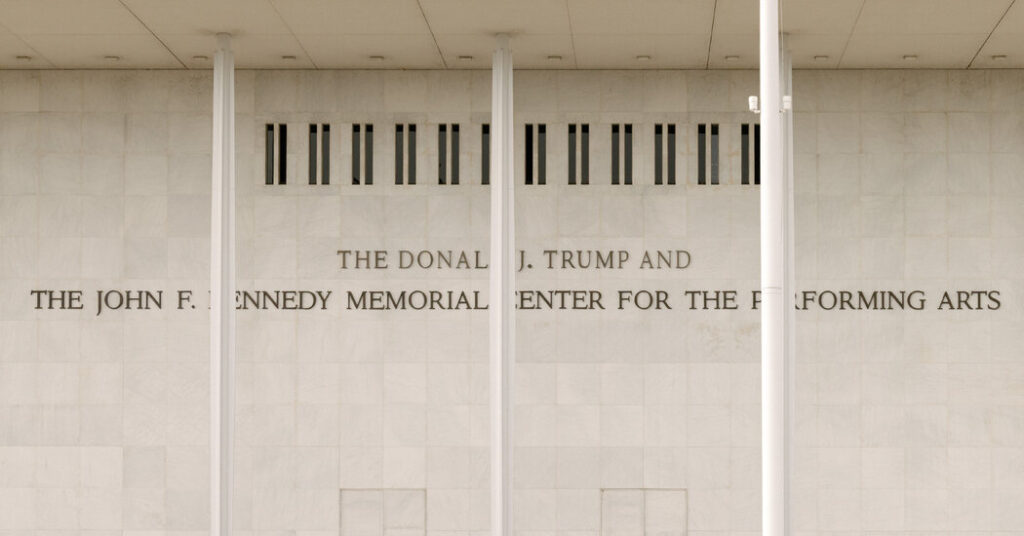
Another Key Leader Steps Down at Kennedy Center
The John F. Kennedy Center for the Performing Arts is experiencing yet another leadership shake-up. Kevin Couch, who was recently appointed as senior vice president of artistic programming, has resigned. This decision comes less than two weeks following his official introduction. Couch’s exit marks the latest in a series of high-profile resignations at the center, which has seen significant changes since former President Donald Trump took control last year.
Background of Recent Departures
Since President Trump’s administration began overseeing the Kennedy Center, numerous senior officials have departed. This includes key figures who played pivotal roles in the center’s artistic and operational management. The reasons behind these resignations vary. However, some insiders suggest that changes in leadership style and strategic direction under the new administration may be contributing factors.
Kevin Couch’s resignation follows in the footsteps of other high-profile exits. For instance, the center’s former executive director left earlier this year, citing differences in vision. These departures have raised concerns among stakeholders about the future direction of the Kennedy Center.
Implications for the Center’s Future
The frequent changes in leadership could impact the Kennedy Center’s programming and its strategic initiatives. Moreover, the center is renowned for its diverse cultural offerings, and consistency in leadership is crucial to maintaining its artistic excellence. These resignations might also influence donor confidence and public perception.
Furthermore, the center is a national cultural institution, and such instability could affect its ability to attract top talent both in leadership and artistic roles. Experts express concern about the potential long-term effects on the center’s reputation and financial health.
Insights from Industry Experts
Industry experts have weighed in on the situation. Many believe that effective leadership transitions are essential for the stability of any major cultural institution. For instance, arts management consultant Dr. Lisa Monroe stated, “Leadership changes can be challenging. However, they also provide opportunities for renewal and growth.”
Additionally, some experts suggest that the Kennedy Center needs to clearly communicate its vision and strategic goals to reassure stakeholders. This clarity could help mitigate uncertainty and build confidence among its supporters.
Looking Forward: What Lies Ahead?
In conclusion, the Kennedy Center faces a pivotal moment. The recent resignation of Kevin Couch highlights ongoing challenges within the organization. However, this also presents an opportunity for reassessment and realignment of its goals.
The center’s board and remaining leadership must prioritize stability and transparency. This will ensure that the Kennedy Center continues to fulfill its mission of providing world-class cultural experiences. Observers will be keenly watching how the center navigates these turbulent times.
For further details, read the full article in The New York Times.
Source Attribution: Information verified by The New York Times.
About The Author