Minneapolis ICE Raids Fuel Fear and Trauma in Schools
2 min read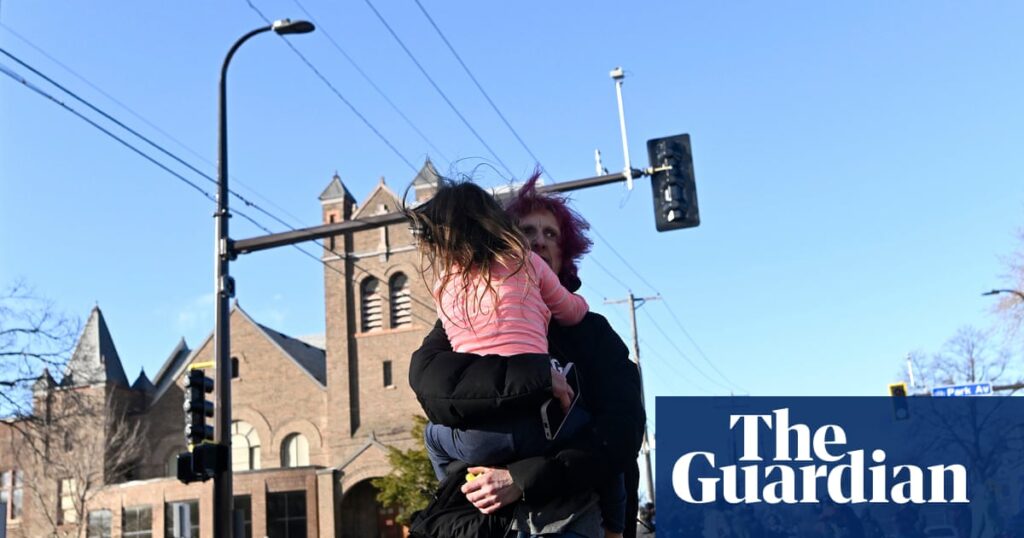
In South Minneapolis, the climate of fear is tangible. Amidst heightened ICE raids, students and families endure daily anxiety. These operations, intensified under the Trump administration, have invaded the neighborhood, disrupting the lives of many. Children struggle to focus on their education while fearing for their families’ safety.
The Impact on Students
For many students, attending school has become a daunting task. For example, one special education student attends online classes from a basement. This is not a choice but a necessity as immigration agents knock on their doors. This student’s experience reflects a growing pattern of fear among young learners.
Similarly, a second grader experienced a panic attack during an art class. The child’s fear highlights the emotional toll these raids take on students. School officials report numerous cases of anxiety and trauma related to immigration enforcement activities.

Parental and Community Reactions
Parents and community members have expressed deep concerns. Many parents fear sending their children to school due to potential ICE encounters. Consequently, attendance rates have dipped, and family routines have been disrupted.
Community leaders and activists are rallying to provide support. Local organizations conduct workshops to educate families on their rights. The American Civil Liberties Union (ACLU) offers resources to help families understand and navigate these difficult situations.
Educational Challenges
Teachers find themselves in a challenging position, balancing educational responsibilities with emotional support. Educators report increased stress among students, which affects learning outcomes. Schools have introduced counseling services to assist affected students.
Moreover, Minneapolis schools are collaborating with local NGOs to address these issues. The U.S. Department of Education provides guidelines for schools handling such situations, emphasizing support and safety.
Long-term Implications
The psychological impact of these raids extends beyond immediate trauma. Experts warn of long-term generational effects. Children growing up in this environment may face ongoing mental health challenges. As a result, communities may experience entrenched fear and mistrust towards authorities.
Additionally, these experiences could influence students’ future educational and career opportunities. The continuous state of fear may hinder their ability to pursue higher education or stable employment.
Looking Ahead
In conclusion, the situation in Minneapolis requires urgent attention from policymakers. Comprehensive immigration reform and protective measures for affected communities are crucial. Until then, local efforts continue to provide immediate relief and support.
Community organizations and schools remain on the front lines, advocating for the rights and safety of all students. The Guardian offers ongoing coverage of these developments.
Source Attribution
Information for this article was verified by The Guardian.
About The Author