Southwest Airlines Adopts Assigned Seating Policy
3 min read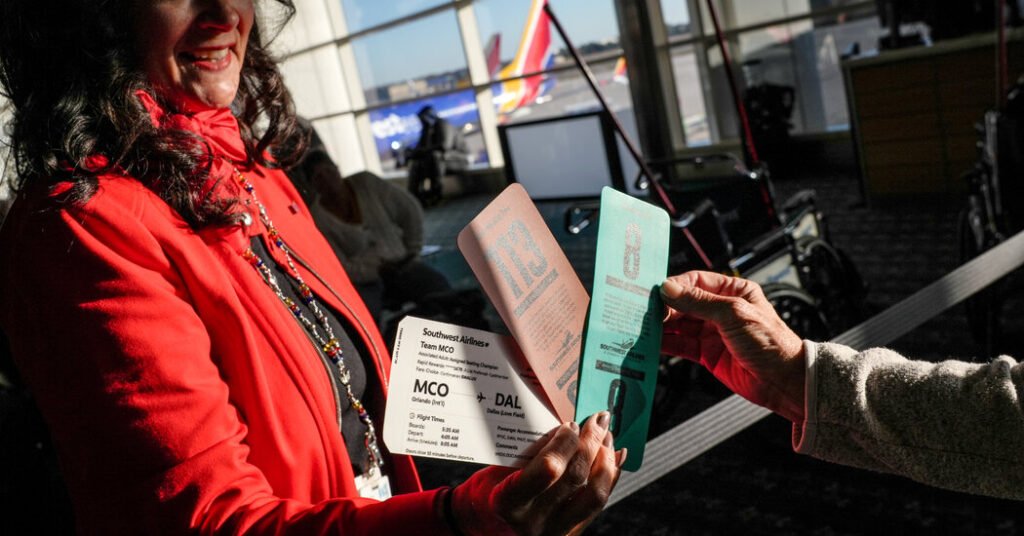
Southwest Airlines, known for its unique open seating policy, has taken a significant step by introducing assigned seating for its passengers. The airline implemented this change on Tuesday, marking a new era for the carrier. This move comes after years of customer feedback and industry analysis, aiming to enhance the passenger experience.
Why Southwest Made the Change
For decades, Southwest Airlines stood out with its open seating policy. Passengers would line up, ready to grab their preferred seats on a first-come, first-served basis. However, the company has now decided to retire this iconic practice. Officials from Southwest stated that this decision was driven by extensive customer feedback indicating a preference for assigned seating. Many passengers expressed a desire for a more structured boarding process, leading to the implementation of this new policy.
Furthermore, the airline aims to streamline operations and reduce boarding time. According to their internal studies, assigned seating could potentially decrease the amount of time aircraft spend on the tarmac, thereby improving overall efficiency.
Passenger Reactions: Mixed Feelings
While some travelers welcome the change, others mourn the loss of Southwest’s quirky charm. Many frequent flyers enjoyed the spontaneity and opportunity for social interaction that open seating provided. However, the airline assures these customers that the essence of Southwest’s friendly service will remain intact, even with assigned seating.
One passenger, Jane Doe, mentioned, “I always loved the thrill of racing to my favorite window seat. It’s sad to see that go, but I understand the need for change.”
Implications for the Airline Industry
Southwest’s decision to adopt assigned seating could influence other airlines to reevaluate their boarding strategies. As the aviation industry continues to evolve, customer satisfaction remains a top priority. Therefore, airlines are constantly seeking ways to improve the passenger experience.
Moreover, this move aligns Southwest with other major carriers that have long offered assigned seating. It reflects a broader trend towards standardization in the industry, as airlines seek to balance efficiency with customer satisfaction.
The Future of Air Travel
As Southwest transitions to this new seating arrangement, the airline has pledged to monitor customer feedback closely. They plan to make adjustments as needed to ensure a smooth transition. Additionally, Southwest will continue to innovate, exploring other ways to enhance the travel experience.
Industry experts believe that this change could lead to further innovations in airline services. In the future, we may see more personalized travel options, catering to the diverse needs of passengers. As a result, the airline industry could witness a new era of customer-centric travel.
Conclusion
Southwest Airlines’ introduction of assigned seating marks a pivotal moment in its history. While the change has sparked mixed reactions, it ultimately reflects the airline’s commitment to meeting customer expectations and improving operational efficiency. As the industry evolves, Southwest sets an example of how airlines can adapt to changing passenger preferences while maintaining their core values.
For more information on this development, visit the original article from The New York Times.
Additional details on Southwest Airlines can be found on their official website.
For background on the airline industry, refer to the Airline Wikipedia page.
About The Author