Starlink Adjusts Orbit After Close Encounter with Chinese Satellite
2 min read
Space Collision Risks Prompt Action
SpaceX’s Starlink satellites recently underwent a significant orbital adjustment. This move followed a near-miss with a Chinese satellite. Experts have long cautioned about the dangers of space debris. A collision in orbit could create cascading debris, posing threats to satellites and space stations. Read more about the incident here.
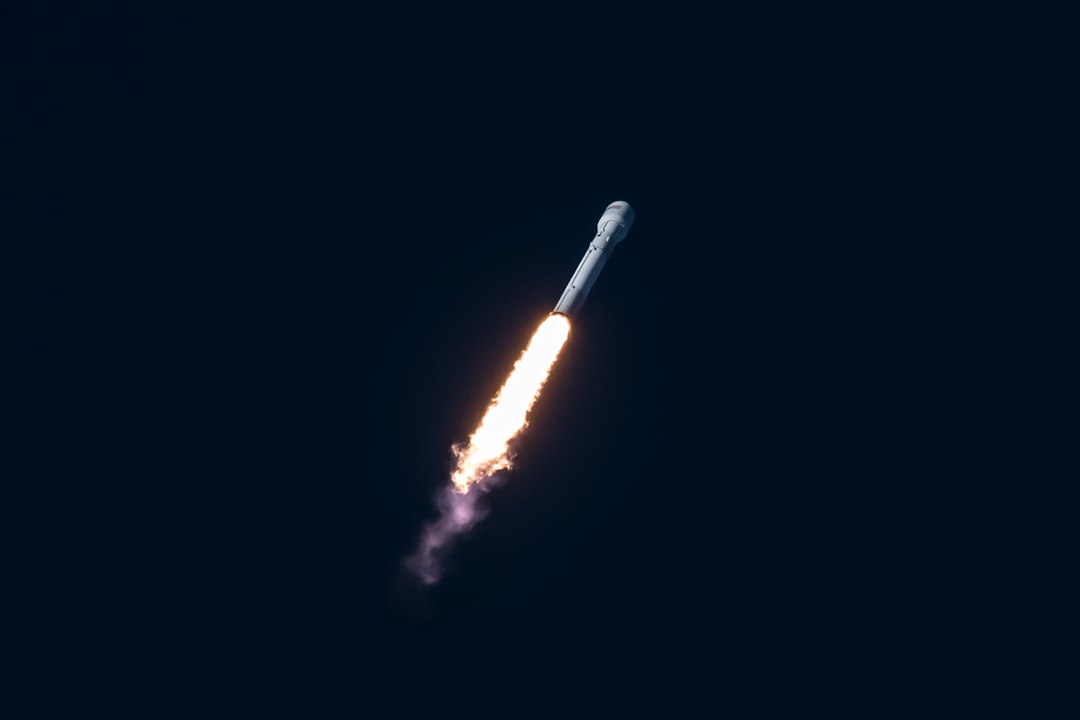
The encounter led SpaceX to lower the orbits of approximately 4,400 satellites by 70 kilometers. This precaution aims to reduce the risk of future collisions. Such adjustments highlight the increasing congestion in Earth’s orbit.
The Growing Concern of Space Debris
Space debris poses a significant challenge. As more countries and companies launch satellites, the risk of collisions increases. For instance, the Kessler Syndrome describes a scenario where debris creates a chain reaction of collisions. This could make parts of low Earth orbit unusable.
Currently, there are over 27,000 pieces of debris tracked by the U.S. Department of Defense. According to a Wikipedia article on space debris, even small fragments can cause significant damage to spacecraft.
SpaceX’s Proactive Measures
SpaceX has taken proactive steps to mitigate these risks. By adjusting the orbits of their satellites, they aim to prevent potential collisions. This decision reflects the company’s commitment to maintaining a safe space environment.
Furthermore, SpaceX employs technology that allows satellites to autonomously avoid collisions. Additionally, they have pledged to deorbit satellites at the end of their operational life. This commitment helps reduce the amount of long-term space debris.
International Reactions and Future Implications
The international community closely monitors such developments. China, in particular, has expressed concerns over satellite encounters. Diplomatic discussions may arise as nations seek cooperative solutions to manage orbital congestion.
Moreover, international regulations may evolve to address these challenges. Organizations like the United Nations Office for Outer Space Affairs (UNOOSA) could play a crucial role in setting new guidelines.
Consequently, these events underscore the need for global cooperation. Nations and companies must work together to create sustainable solutions for space traffic management.
Conclusion: A Call for Collaboration
In conclusion, the recent Starlink adjustments highlight the growing challenges of space debris. As more entities venture into space, the need for comprehensive traffic management becomes evident.
Therefore, stakeholders must prioritize collaboration to ensure the safety and sustainability of space activities. The future of space exploration depends on our ability to manage these risks effectively.
For further insights, visit the official SpaceX website.
Source: Eurasiantimes.com
About The Author