Trump and Rutte’s Greenland Deal: No Document Yet
3 min read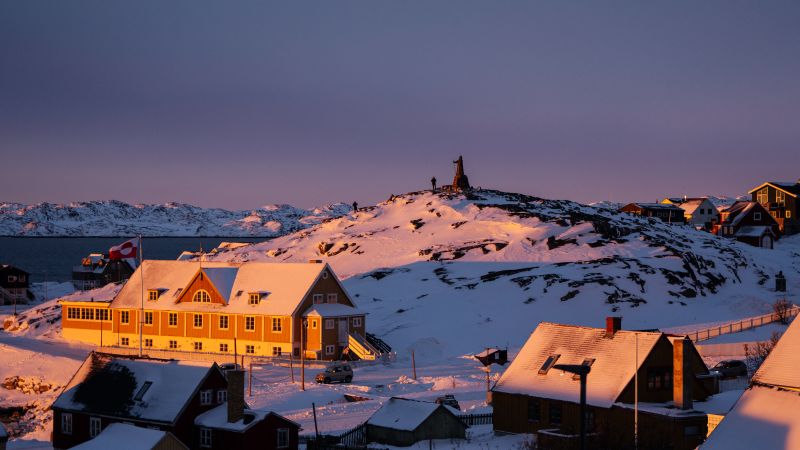
Verbal Understanding on Greenland
President Donald Trump and NATO Secretary General Mark Rutte reportedly reached a verbal agreement regarding Greenland during their recent meeting. However, sources indicate that no formal document has been created to memorialize the potential future deal. The meeting, which took place on Wednesday, focused on strategic interests in the Arctic region. Both leaders appear to be considering Greenland’s geopolitical significance, but the absence of a written agreement leaves many questions unanswered.
CNN initially reported this development, highlighting the informal nature of the discussions. This lack of documentation raises concerns about the clarity and enforceability of any future agreements.
The Strategic Importance of Greenland
Greenland’s strategic location in the Arctic has garnered significant attention from global powers. As climate change opens new shipping routes and access to untapped resources, the island’s value continues to increase. The United States has long maintained a military presence in Greenland, primarily through the Thule Air Base. This base is crucial for missile defense and space surveillance.
Moreover, Greenland’s vast natural resources, including rare earth minerals, present economic opportunities. The potential exploitation of these resources could reshape global supply chains, making Greenland an attractive prospect for international partnerships.
Learn more about Greenland and its geopolitical significance.
Implications of the Verbal Agreement
The absence of a written document memorializing the Greenland deal raises several implications. Firstly, it suggests that the discussions are still in preliminary stages. Both Trump and Rutte may be seeking to gauge the potential benefits and risks before committing to a formal agreement. Additionally, the lack of documentation could indicate differing priorities between the leaders. While Trump may focus on strategic military interests, Rutte might prioritize economic partnerships or environmental concerns.
Furthermore, the verbal nature of the agreement allows for flexibility. This could be advantageous as both parties navigate the complexities of international diplomacy and domestic politics. However, it also introduces uncertainty, as verbal agreements can be misinterpreted or forgotten over time.
Historical Context and Future Prospects
Historically, the United States has shown interest in purchasing Greenland. In 1946, the Truman administration proposed buying the island for $100 million. Although Denmark, which oversees Greenland, rejected the offer, the idea resurfaced during Trump’s presidency in 2019. Despite initial skepticism, Trump’s renewed interest highlights the island’s enduring strategic allure.
Looking ahead, the potential for a formal agreement between the United States and NATO regarding Greenland remains uncertain. However, the ongoing dialogue suggests that the Arctic region will continue to play a pivotal role in global geopolitics. As climate change accelerates, international interest in the Arctic’s resources and strategic position is likely to grow.
Explore NATO’s role in Arctic security and defense.
Conclusion: Balancing Interests
In conclusion, while the verbal understanding between Trump and Rutte marks a step forward, the lack of a formal document underscores the complexities involved. Both leaders must balance strategic, economic, and environmental considerations as they move towards a potential deal. The future of Greenland’s role in international affairs will depend on the ability of involved parties to navigate these challenges effectively.
For more information, visit the original CNN report.
Source Attribution
This article is based on information from CNN Politics and additional research from authoritative sources.
About The Author