Trump’s Venezuela Strategy Echoes Iraq Oil Approach
2 min read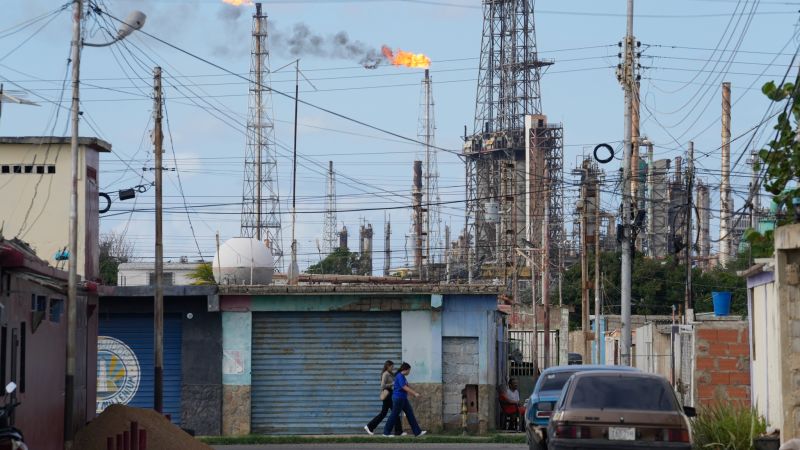
U.S. Plans for Venezuela: A Strategy Influenced by Iraq
The Trump administration, in its efforts to address the political turmoil in Venezuela, reportedly revisited strategies employed during the Iraq War. Officials aimed to capture Venezuelan President Nicolás Maduro and sought to stabilize the country’s oil sector. This plan involved examining the U.S. approach to oil resources in Iraq following the 2003 invasion. The strategy raised questions about historical parallels and future implications for Venezuelan oil.CNN reported on these developments, shedding light on the administration’s intentions.
Learning from Iraq: Strategic Goals and Lessons
Officials believed that lessons from Iraq could guide their approach to Venezuela’s vast oil reserves. In Iraq, the U.S. faced significant challenges in managing and restoring oil production amid political instability. Venezuelan oil production had similarly plummeted due to international sanctions and internal mismanagement. By studying Iraq’s oil management, U.S. officials hoped to avoid past mistakes and ensure a smoother transition.Wikipedia provides background on the Iraq War.

The Political and Economic Stakes in Venezuela
Venezuela holds one of the world’s largest oil reserves. However, political instability under Maduro’s regime significantly impacted the country’s economic conditions. The U.S. saw an opportunity to stabilize Venezuela and potentially restore its oil output. A successful transition could benefit global oil markets and strengthen U.S. geopolitical influence in South America. Nevertheless, the plan faced criticism from international observers, who warned of potential repercussions.The U.S. Energy Information Administration offers insights into Venezuela’s energy sector.
International Reactions and Concerns
The potential U.S. intervention in Venezuela stirred mixed reactions globally. Allies expressed support for a peaceful resolution, while others feared military involvement might lead to regional instability. Additionally, Venezuela’s allies, including Russia and China, voiced their opposition to external interference. These reactions underscored the complex international dynamics at play.BBC provides additional context on Venezuela’s international relations.

Future Implications and Conclusion
Looking ahead, the Trump administration’s approach to Venezuela could set a precedent for future U.S. foreign policy strategies. If successful, it might enhance U.S. credibility in managing international crises. However, failure could damage diplomatic relations and economic interests. As the situation unfolds, the world watches to see whether lessons from Iraq can indeed guide a stable transition in Venezuela.The U.S. Department of State outlines current U.S. relations with Venezuela.
“Our goal is to ensure stability and prosperity for the Venezuelan people,” a senior U.S. official remarked, highlighting the administration’s objectives.
Source Attribution: Based on reporting by CNN and additional context from reputable sources.
About The Author