Xi Jinping’s Purge: Diplomatic Concerns Over PLA Isolation
2 min read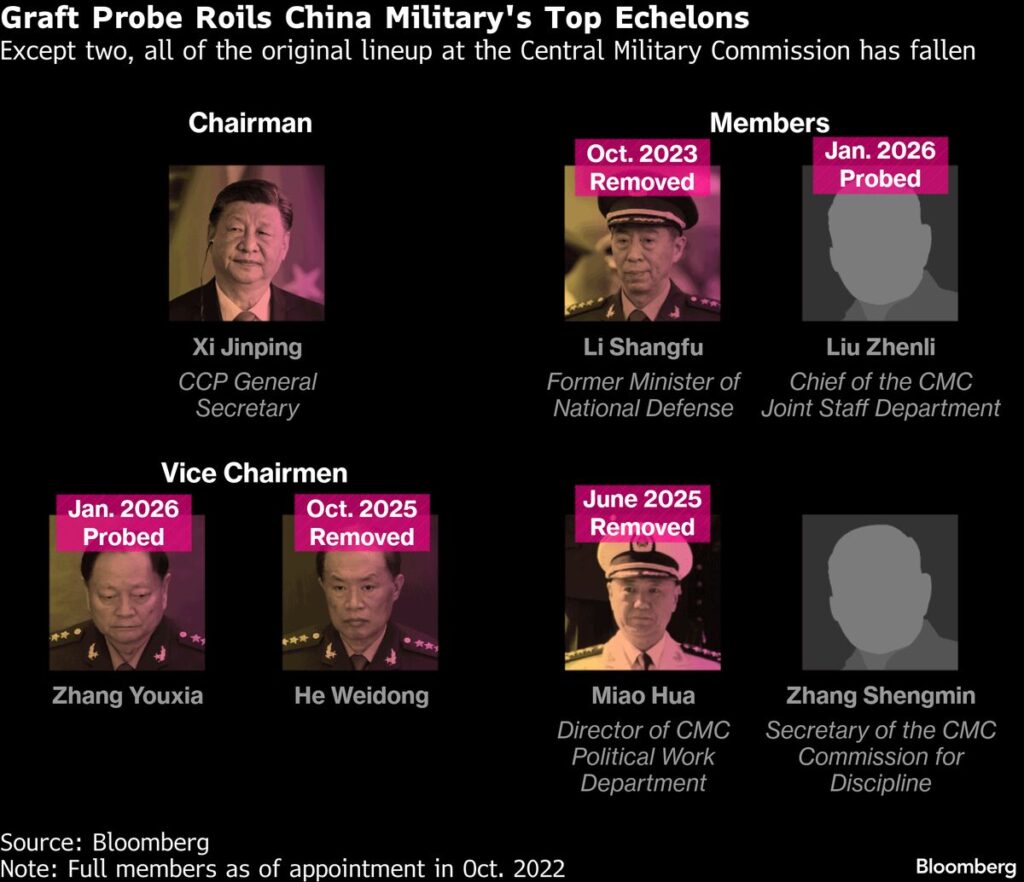
Background of the Purge
In recent developments, Chinese President Xi Jinping has orchestrated a purge of several top military officials. This move, which included the removal of General Liu Zhenli, has raised alarm among Western diplomats. They worry that such actions could significantly hinder communication with the People’s Liberation Army (PLA). The PLA, already known for its secretive nature, may become even more isolated from international contact.
Impact on Western Alliances
Western governments have long relied on key contacts within the PLA to maintain open lines of communication. The removal of General Liu, who was a pivotal figure in these interactions, has led to concerns about a growing communication gap. Bloomberg reports that Liu’s dismissal is part of a larger strategy by Xi to consolidate power within the military ranks.
Furthermore, this purge could destabilize diplomatic efforts aimed at easing tensions in the Asia-Pacific region. Analysts note that these actions might lead to an increase in military posturing, as countries become wary of China’s intentions. The Asia-Pacific region, already a hotspot for international disputes, may see rising tensions as a direct consequence.
Historical Context and Precedents
Historically, purges have been a strategic tool used by leaders to eliminate dissent and tighten control. Xi’s recent actions follow a similar pattern. Previous purges in China have often resulted in a more centralized and autocratic leadership style. However, this approach may also lead to internal instability, as it could foster distrust among remaining officials.
For instance, during Mao Zedong’s era, purges were frequent, leading to a climate of fear and paranoia within the Communist Party. Similarly, Xi’s current strategy might discourage open dialogue and innovation within military ranks, ultimately weakening the PLA’s operational effectiveness.
International Reactions and Concerns
Internationally, reactions to Xi’s purge have been cautious yet critical. Western nations, particularly the United States and European allies, have expressed concerns over the potential for increased militarization in response to Chinese isolation. Diplomatic channels may suffer as a result, impacting efforts to collaborate on security and trade issues.
Moreover, the global community remains vigilant about China’s next steps. Experts suggest that this move could signal China’s intent to bolster its military prowess while reducing foreign influence. Consequently, this may lead to a realignment of geopolitical strategies among key global players.
Future Implications and Strategies
Looking ahead, the international community must navigate these developments carefully. Diplomatic strategies should focus on maintaining dialogue with China, despite the challenges posed by the recent purge. Additionally, countries may need to consider reinforcing alliances to counterbalance China’s growing military capabilities.
In conclusion, Xi Jinping’s purge of top generals signifies a critical shift in China’s military and diplomatic posture. As a result, global stakeholders must adapt to these changes, ensuring that channels of communication remain open and effective.
Source: Bloomberg.com
About The Author