Early Parkinson’s Detection Possible with New Blood Test
2 min read
Breakthrough in Parkinson’s Detection
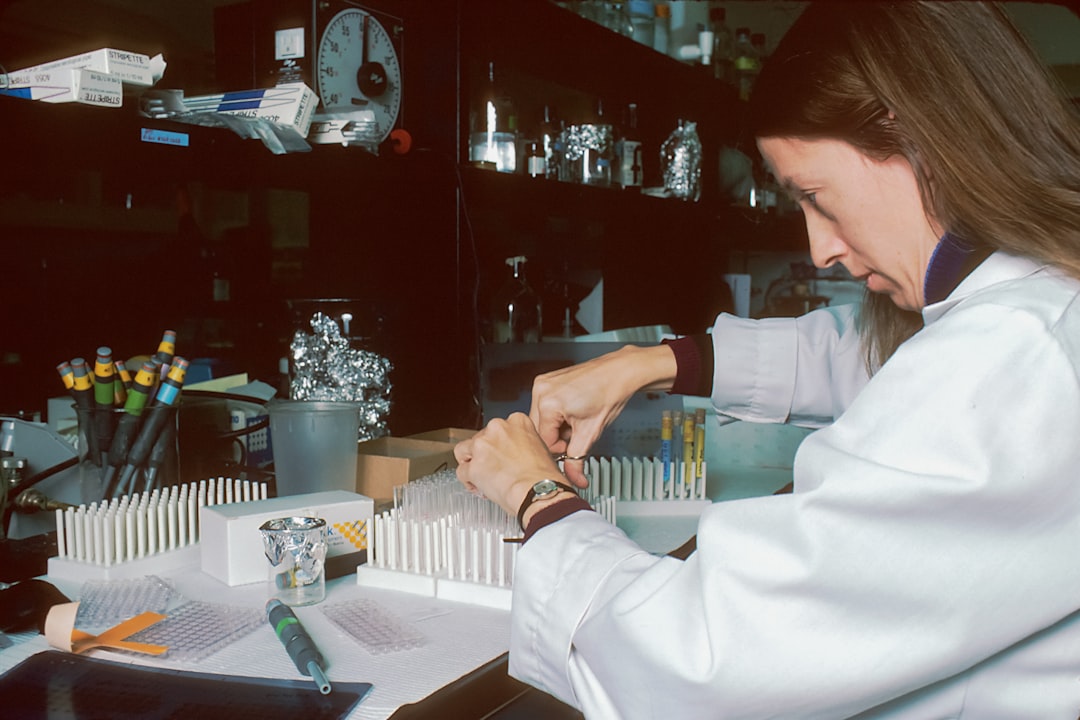
A groundbreaking study from Chalmers University of Technology in Sweden, in collaboration with Oslo University Hospital in Norway, has revealed a potential method to detect Parkinson’s disease decades before symptoms appear. Researchers have identified specific biomarkers in the blood that may indicate early signs of the disease, potentially up to 20 years earlier than current diagnostic methods allow.
Understanding Parkinson’s Disease
Parkinson’s disease is a progressive neurodegenerative disorder that affects movement. According to Mayo Clinic, symptoms typically include tremors, stiffness, and difficulty with balance and coordination. While there is no cure, early detection can significantly improve the management of symptoms and enhance quality of life.
The Role of Biomarkers
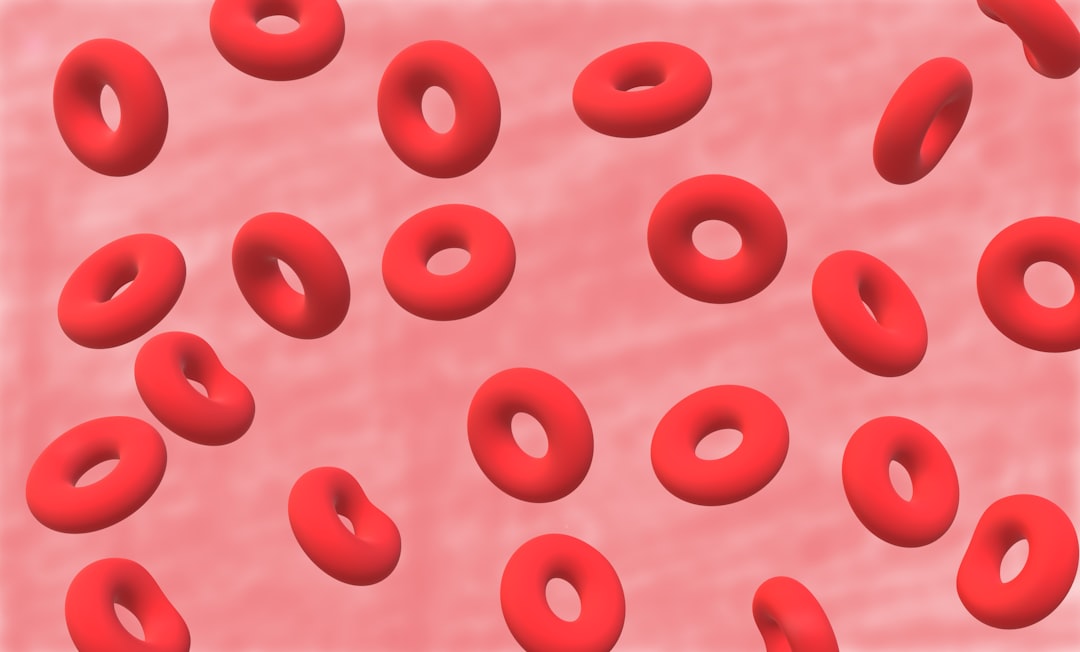
Biomarkers are biological molecules found in blood, other body fluids, or tissues that signal a normal or abnormal process, or a condition or disease. Identifying specific biomarkers for Parkinson’s could revolutionize early diagnosis. The study suggests that these biomarkers can be detected long before motor symptoms manifest, offering a crucial window for intervention and treatment.
Implications of Early Detection
Early detection of Parkinson’s through a simple blood test could transform the approach to treatment and management. Potentially, it allows for earlier lifestyle changes and therapeutic interventions that might slow disease progression. Additionally, it could provide researchers with valuable insights into the disease’s development, paving the way for new treatments.
Expert Opinions and Future Research
Dr. Lisa Nilsson, a leading neurologist at Chalmers University, emphasized the significance of this discovery. “This could change the landscape of Parkinson’s diagnosis and treatment,” she stated. Furthermore, the study opens avenues for future research to refine these tests and validate their efficacy across diverse populations.
The research team plans to conduct larger trials to confirm their findings and explore additional biomarkers. This ongoing research could lead to widespread availability of the test within clinical settings, according to experts.
Conclusion
Overall, the development of a blood test for early Parkinson’s detection marks a significant advancement in neurological research. As scientists continue to explore and validate these findings, the potential for improved patient outcomes becomes more promising. The integration of this test into regular health screenings could redefine early intervention strategies for Parkinson’s disease.
For further details on this breakthrough, visit the original article on Fox News.
Source Attribution: Original information from Fox News. Additional data from Chalmers University and Oslo University Hospital.
About The Author


