First 2026 Bird Flu Case Detected in Iowa Flock
2 min read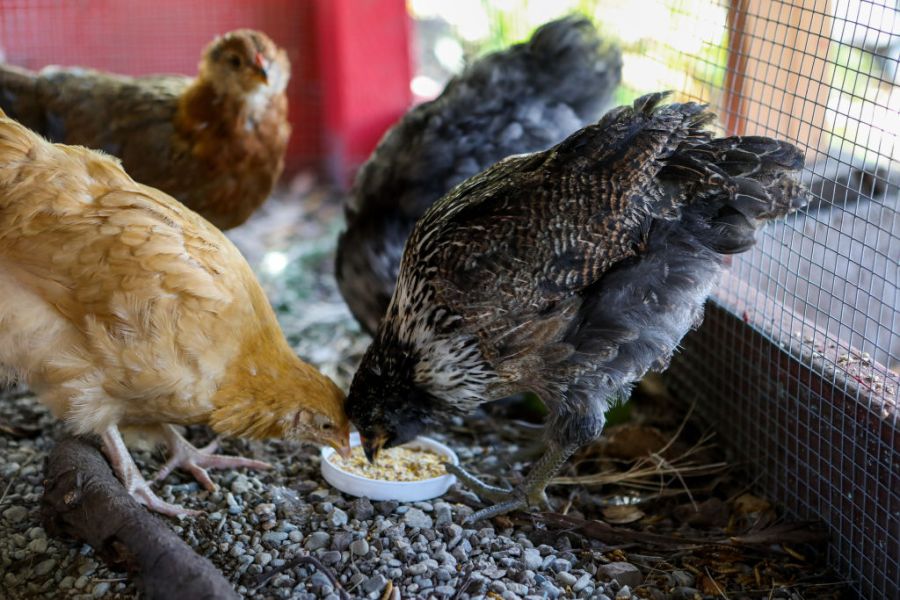
USDA Confirms Bird Flu in Kossuth County
The United States Department of Agriculture (USDA) confirmed the first case of Highly Pathogenic Avian Influenza (HPAI) in Iowa for 2026. The case emerged in Kossuth County, affecting a mixed species flock of game bird pheasants and backyard chickens. Both the USDA and the Iowa Department of Agriculture and Land Stewardship are actively monitoring the situation. Read more.

Implications for Local Farmers and the Poultry Industry
The confirmation of bird flu in Kossuth County raises concerns among local farmers and the broader poultry industry. The spread of HPAI can lead to significant economic losses, as affected birds often need to be culled to prevent further spread. USDA guidelines outline necessary precautions and biosecurity measures to contain outbreaks. Consequently, farmers are advised to enhance surveillance and report any suspicious bird deaths immediately.
Historical Context and Previous Outbreaks
Bird flu, particularly HPAI, has a history of sporadic outbreaks in the United States. The last significant outbreak in Iowa occurred in 2015, resulting in the culling of millions of birds and costing the industry over a billion dollars. Avian influenza is a viral infection that primarily affects birds but can also infect humans in rare cases. However, the risk to human health remains low.
Expert Opinions and Preventative Measures
Dr. Emily Schneider, an expert in veterinary virology, emphasized the importance of vigilance in detecting and responding to bird flu cases. “Rapid identification and containment are crucial in preventing widespread transmission,” she noted. Moreover, the USDA and state agencies continue to provide support and resources to farmers to manage the disease effectively.
For instance, the Centers for Disease Control and Prevention (CDC) advises regular health checks for poultry and strict biosecurity measures to protect flocks.
Future Outlook and Preparedness
As the avian influenza season progresses, authorities remain on high alert. They continue to coordinate with local farmers to ensure swift response measures. Iowa’s agricultural community is urged to stay informed and prepared for potential future outbreaks. In conclusion, while the current case poses challenges, increased awareness and adherence to guidelines can mitigate the impact.
The USDA and other agencies will provide ongoing updates as new information becomes available. Farmers are encouraged to seek assistance and report any unusual bird activity to their local veterinary services.
Source attribution: Original article verified by Yahoo News.
About The Author


