White House AI-Altered Photo Sparks Online Backlash
3 min read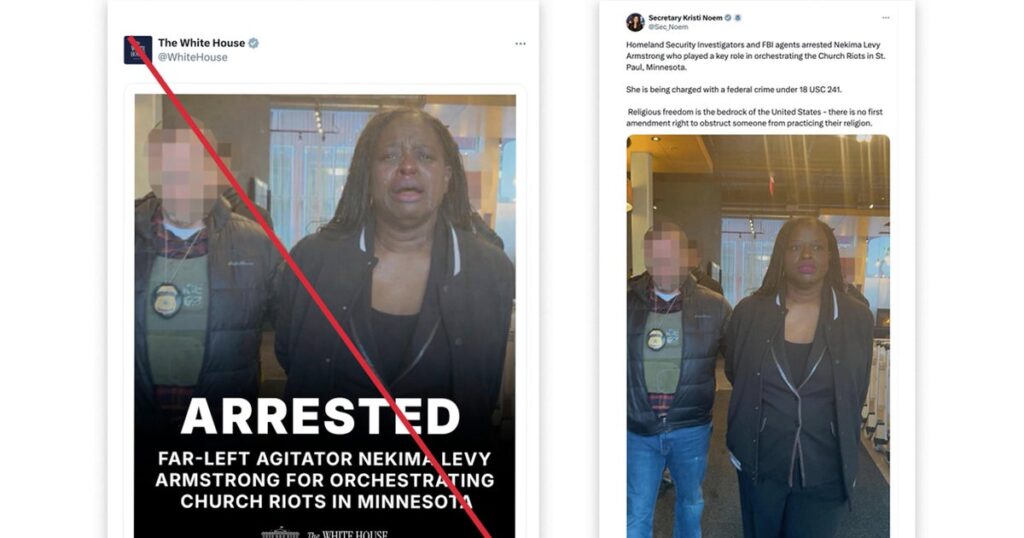
Introduction: A Controversial Image
The White House recently faced criticism over a digitally altered photo of a Minnesota protester’s arrest. The image, posted on social media, appeared to show the protester sobbing during her arrest. Experts later confirmed the photo had likely been altered using artificial intelligence technology. This revelation ignited a wave of backlash online, with many questioning the ethical implications of such manipulations.
In response, the White House doubled down on their decision to post the image. They stated, “The memes will continue,” further fueling the public debate. CBS News first reported the incident, highlighting the contentious nature of using AI to alter politically sensitive images.

The Role of AI in Image Alteration
Artificial intelligence has revolutionized many industries. However, its use in image alteration raises ethical concerns. AI tools can create hyper-realistic images, making it difficult to distinguish between reality and manipulation. As a result, the potential for misuse is high. In this instance, experts believe the White House used AI to enhance the emotional impact of the protester’s image. This has led to widespread criticism from both political opponents and media ethics experts.
Moreover, the use of AI in altering images poses a threat to the credibility of visual media. For instance, if government bodies use such technology, public trust in official communications could erode. Deepfakes are a growing concern, as they can easily manipulate public perception.
Public Reactions and Political Implications
The altered photo sparked diverse reactions across social media platforms. Many users expressed outrage, accusing the White House of spreading misinformation. Additionally, critics argue that such alterations diminish the gravity of the protest, which was against U.S. Immigration and Customs Enforcement policies. This incident highlights the ongoing tension between political messaging and media integrity.
Furthermore, experts warn that the use of AI in political imagery could set a dangerous precedent. If left unchecked, it may lead to a future where manipulated images become the norm. Consequently, this could distort historical records and public perception.

Expert Opinions on Ethical Concerns
Media ethics experts have voiced significant concerns over the White House’s actions. They argue that altering photos for political gain undermines the principles of honest communication. Dr. Emily Thompson, a professor of media ethics, stated, “When governments manipulate images, they risk losing public trust and damaging their credibility.”
Additionally, AI experts emphasize the importance of establishing guidelines for AI usage in media. They advocate for transparency and accountability to prevent the misuse of technology. For instance, clear labeling of altered content could help maintain trust in digital media.
Conclusion: Future Implications of AI in Media
In conclusion, the controversy surrounding the altered photo serves as a cautionary tale about the use of AI in media. As technology advances, the potential for misuse increases. Therefore, it is crucial for governments and media organizations to establish ethical guidelines. This will ensure that AI is used responsibly and not as a tool for misinformation.
Ultimately, the White House’s decision to post the altered photo has sparked an important conversation about media integrity and the ethical use of AI. As society navigates the digital age, maintaining trust and transparency will be paramount.
Source Attribution: Information verified by CBS News.
About The Author