Tesla Drops Autopilot to Promote Full Self-Driving Tech
3 min read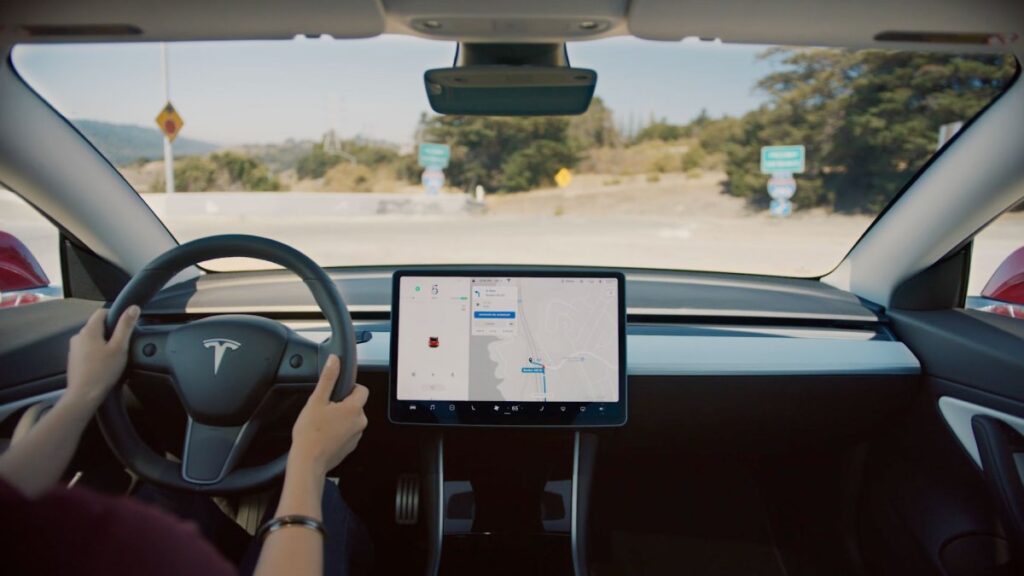
Tesla’s Strategic Shift in Autonomous Driving Technology
Tesla has announced the discontinuation of its basic driver-assistance system, Autopilot. This strategic move aims to promote the adoption of its more advanced Full Self-Driving (FSD) software. The decision comes at a critical time as Tesla faces a 30-day suspension of its manufacturing and dealer licenses in California. The suspension results from allegations of deceptive marketing concerning Autopilot’s capabilities.
The electric vehicle giant hopes that by retiring Autopilot, it can encourage more users to transition to FSD, which Tesla touts as a more comprehensive and sophisticated system. TechCrunch first reported this development, highlighting its potential impact on Tesla’s market strategy.

Implications of the License Suspension
The suspension of Tesla’s licenses in California poses a significant challenge. California is a key market for Tesla, contributing substantially to its sales. Therefore, the suspension could affect the company’s revenue streams and brand reputation. The California Department of Motor Vehicles (DMV) cited misleading advertising practices as the reason. Tesla allegedly overstated the capabilities of the Autopilot system, suggesting it could perform fully autonomous driving, which is not the case.
This suspension highlights ongoing regulatory scrutiny over autonomous vehicle technologies and the importance of transparent communication with consumers. Tesla has responded by reinforcing its commitment to safety and regulatory compliance.
Understanding Full Self-Driving (FSD)
The Full Self-Driving software represents Tesla’s vision for the future of autonomous vehicles. Unlike Autopilot, FSD offers a range of advanced features designed to handle complex driving scenarios. These include automatic lane changes, traffic light recognition, and city street navigation. Tesla CEO Elon Musk has consistently promoted FSD as a revolutionary step towards fully autonomous vehicles.
However, the transition from Autopilot to FSD faces challenges. Many consumers remain skeptical about the safety and reliability of autonomous driving technologies. Moreover, regulatory bodies continue to scrutinize these systems, demanding rigorous testing and validation.
Market Reactions and Competitor Moves
In the competitive landscape of autonomous vehicles, Tesla’s decision to phase out Autopilot could influence other automakers. Companies like Ford and General Motors have been developing their own driver-assistance technologies, such as Ford’s BlueCruise and GM’s Super Cruise. These competitors may adjust their strategies in response to Tesla’s bold move.
Additionally, investors and analysts are closely monitoring Tesla’s stock performance following this announcement. The company’s ability to persuade consumers to adopt FSD over Autopilot will be crucial in maintaining its market position.
Future Prospects and Industry Influence
Overall, Tesla’s decision to discontinue Autopilot marks a pivotal moment in the evolution of autonomous driving technology. As the company navigates regulatory challenges and consumer perceptions, its commitment to FSD could redefine industry standards. Furthermore, the outcome of Tesla’s transition may set a precedent for how other manufacturers approach the development and marketing of driver-assistance systems.
In conclusion, Tesla’s move to boost the adoption of its Full Self-Driving software reflects its ambition to lead in the autonomous vehicle market. The coming months will be critical as the company addresses regulatory concerns and strives to gain consumer trust.
Source: TechCrunch
About The Author