Vaccine Panel Head Calls for Optional Polio Shots
2 min read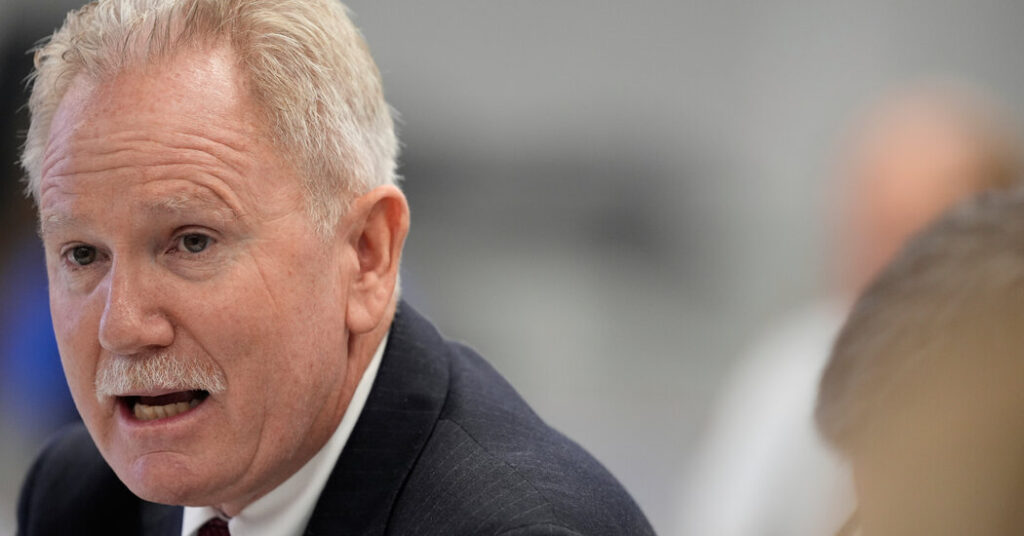
Controversial Stance on Vaccination
The head of the Advisory Committee on Immunization Practices (ACIP), Dr. Kirk Milhoan, has sparked a heated debate. He recently suggested that vaccines, including those for polio and measles, should be optional. Dr. Milhoan, a pediatric cardiologist, believes that individual choice should take precedence over public health mandates. This position challenges decades of scientific consensus on the importance of vaccinations in preventing infectious diseases.

Background and Context
Historically, vaccines have played a critical role in eradicating diseases such as smallpox and drastically reducing polio and measles cases. According to the Centers for Disease Control and Prevention (CDC), widespread vaccination has led to the near-elimination of these diseases in many parts of the world. However, Dr. Milhoan’s remarks reflect a growing skepticism towards vaccines among certain groups, which has contributed to outbreaks of preventable diseases.

Public Reaction and Expert Opinions
Experts have expressed concern over Dr. Milhoan’s statements. Dr. Anthony Fauci, a leading immunologist, emphasized the risks of making vaccines optional. “Vaccines are crucial in maintaining public health and preventing disease outbreaks,” he stated. Furthermore, organizations like the World Health Organization (WHO) support mandatory vaccinations to protect vulnerable populations.
Implications for Public Health
If implemented, making vaccines optional could have serious consequences. According to recent studies, vaccine hesitancy has already led to a resurgence of diseases like measles in certain areas. The New York Times reported that health officials worry about declining vaccination rates and their potential impact on herd immunity. Consequently, communities could face increased risks of outbreaks, hospitalizations, and deaths.
Legal and Ethical Considerations
The debate over vaccine mandates also raises legal and ethical questions. On one hand, individuals have the right to make personal health decisions. On the other hand, public health experts argue that these choices can affect others. Legal frameworks in various countries, including the United States, often balance individual rights with community health needs. As discussions continue, policymakers must consider both perspectives to create effective health policies.
Conclusion: Future of Vaccination Policies
In conclusion, Dr. Milhoan’s call for optional vaccines has reignited discussions on public health policy. While some advocate for personal choice, others warn of the dangers posed by reduced vaccination rates. As a result, the future of vaccination policies remains uncertain. Policymakers must weigh the potential benefits of individual freedom against the collective need for disease prevention.
Source Attribution: Information verified by The New York Times.
About The Author


