Airlines Brace for Massive Disruptions Amid Winter Storm
2 min read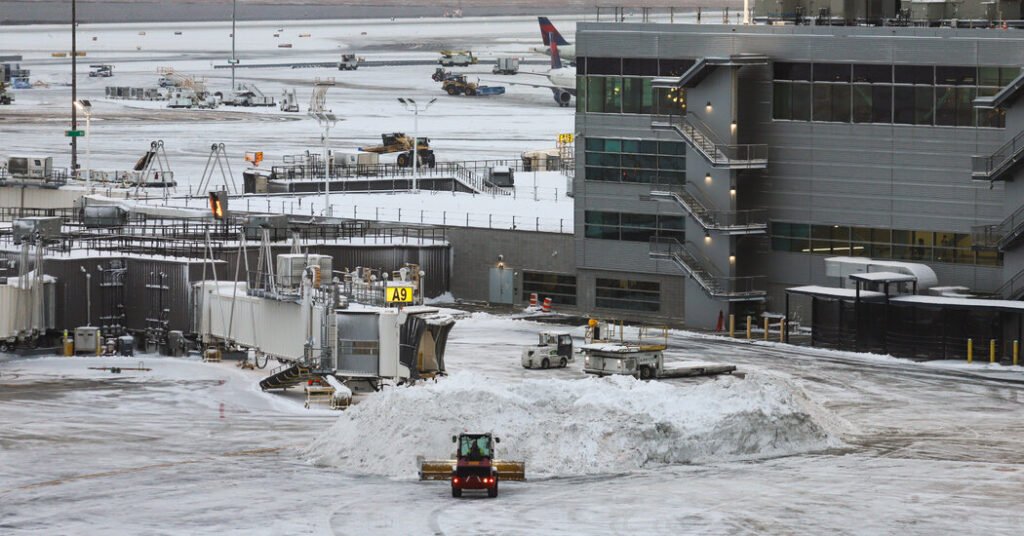
Airlines Prepare for Major Disruptions
Airlines across the United States are bracing for significant disruptions this weekend as a powerful winter storm threatens to blanket large parts of the country in ice and snow. Consequently, hundreds of flights have already been canceled in anticipation of treacherous weather conditions. The New York Times reports that the storm is expected to impact travel plans for thousands of passengers.
The storm is set to hit the Southern United States initially, before moving northward over the weekend. Airlines, including major carriers, have issued weather waivers to allow travelers the flexibility to change their plans without incurring additional fees.
Impact on Travelers and Airports
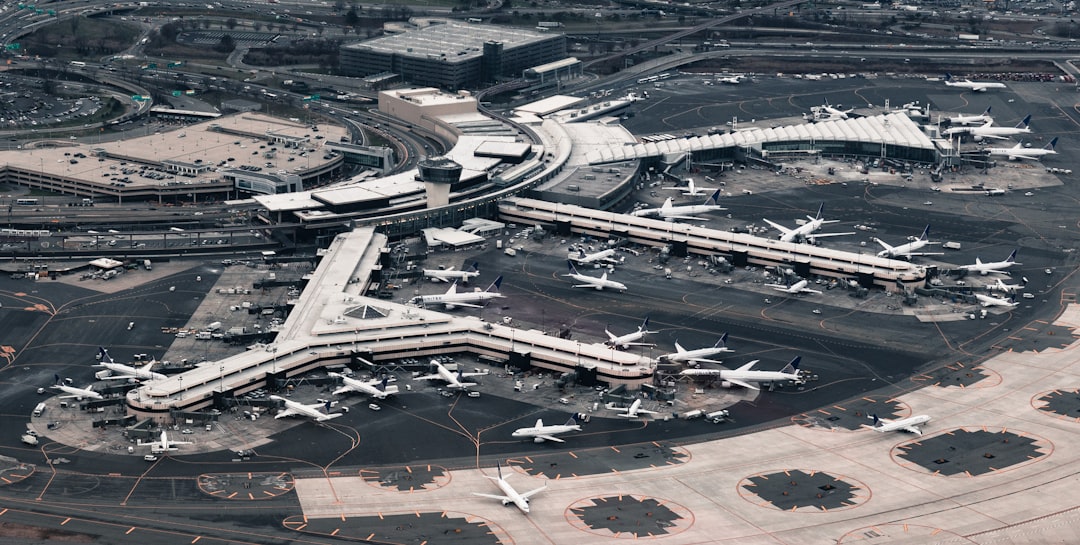
Travelers are advised to check their flight status frequently. Airports are preparing for increased delays and cancellations. Many have ramped up their de-icing operations and increased staffing levels to manage the expected surge in customer service inquiries. FlightAware, a flight tracking website, provides real-time updates on flight statuses and cancellations.
Furthermore, the Federal Aviation Administration (FAA) has issued alerts to airlines and airports about the potential for significant delays. Airports in major hubs like Atlanta, Dallas, and Charlotte are likely to experience the most disruptions.
Economic Implications of Cancellations
The economic impact of these disruptions could be substantial. Airlines stand to lose millions in revenue due to canceled flights and the need to accommodate stranded passengers. Additionally, the supply chain could be affected as freight and cargo services face similar challenges. The International Air Transport Association (IATA) notes that weather-related disruptions result in increased operational costs for airlines.
Passenger Rights and Protections
Passengers have certain rights when flights are canceled due to weather. The U.S. Department of Transportation outlines these rights, including compensation for significant delays and the obligation of airlines to provide accommodations when necessary.
Preparing for Future Weather Events
This storm serves as a reminder of the importance of preparedness for both airlines and travelers. As climate change contributes to more severe weather patterns, the aviation industry must adapt to mitigate the impact of such events. Investing in technology and infrastructure to better predict and respond to weather disruptions is essential.
Moreover, travelers should consider purchasing travel insurance to protect against unforeseen cancellations and delays. Travel insurance can provide coverage for additional expenses incurred due to weather disruptions.
Conclusion: Navigating the Storm’s Impact
In conclusion, while the immediate focus is on managing the current storm, the broader implications highlight the need for systemic changes in how the industry handles weather-related disruptions. As airlines and travelers navigate the challenges posed by this storm, it is clear that proactive measures are essential to minimize future impacts.
For more detailed information on the storm’s progress and its impact on travel, refer to the original article on The New York Times.
Source Attribution: Information verified and adapted from The New York Times.
About The Author


