Chemists Challenge Century-Old Rules with New Discoveries
2 min read
Breaking New Ground in Organic Chemistry
In an unprecedented breakthrough, chemists at UCLA have defied long-standing conventions in organic chemistry. They have successfully created molecules with structures previously deemed impossible. These findings could transform our understanding of chemical reactions and molecular design.
Organic chemistry, a cornerstone of science, traditionally relies on established rules. These rules dictate the formation of chemical bonds and the structural arrangement of atoms. However, the UCLA team has shown that these rules may not be as immutable as once believed.
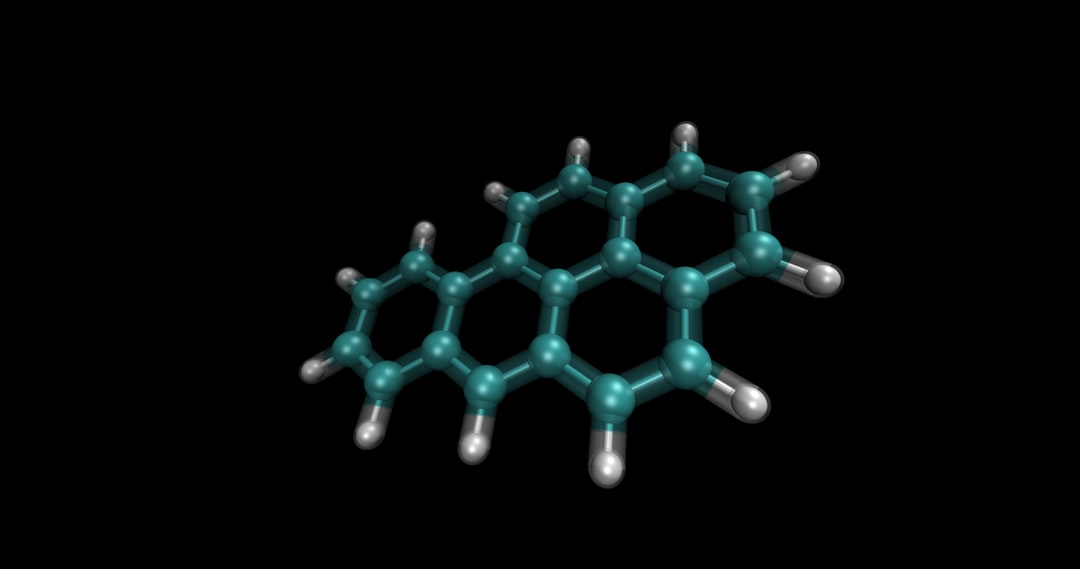
According to ScienceDaily, the team engineered bizarre, cage-shaped molecules featuring warped double bonds. These structures were long considered impossible due to their unconventional characteristics. The research opens new possibilities for molecular innovation.
Understanding the “Impossible” Molecules
The UCLA researchers focused on creating molecules with unique geometries. These molecules deviate from the norm, challenging established chemical principles. The team used advanced synthesis techniques to achieve these results.
For instance, most organic molecules follow predictable patterns. However, the new cage-shaped molecules exhibit unusual bond angles and lengths. This challenges the notion that such configurations are unachievable.
Lead researcher Dr. Emily Tran explained, “Our work demonstrates that the limits of molecular design are far broader than previously thought. We are excited about the potential applications of these findings.”
The Significance of Warped Double Bonds
Double bonds are fundamental in determining a molecule’s stability and reactivity. The warping of these bonds, as seen in UCLA’s new structures, was once thought to undermine molecular integrity. Nevertheless, the researchers proved otherwise.
Furthermore, this discovery may lead to the development of new materials with enhanced properties. These materials could be used in various industries, from pharmaceuticals to electronics.

Implications for Future Research
These findings not only redefine organic chemistry but also pave the way for future research. Scientists can explore previously unimaginable molecular configurations. Consequently, this could lead to breakthroughs in drug development and material science.
Additionally, the research highlights the importance of questioning established scientific norms. It encourages a re-evaluation of what is possible within scientific disciplines.
The implications of this work extend beyond chemistry. It challenges scientists in other fields to explore unconventional ideas and push the boundaries of knowledge.
Potential Applications and Future Directions
The potential applications of these findings are vast. In particular, the pharmaceutical industry could benefit from new drug designs. Molecules with novel structures might interact with biological targets in unique ways, leading to more effective treatments.
Moreover, the electronics industry could leverage materials with enhanced electrical properties. These materials could result from the unique molecular architectures created by the UCLA team.
In conclusion, this research marks a significant milestone in chemistry. It highlights the power of innovation and the importance of challenging established norms. Future studies will likely build on these findings, further expanding the horizons of scientific discovery.
Source Attribution: Information verified by ScienceDaily.
About The Author


