Evolution of Warhammer Art: Tyranids Through Time
3 min read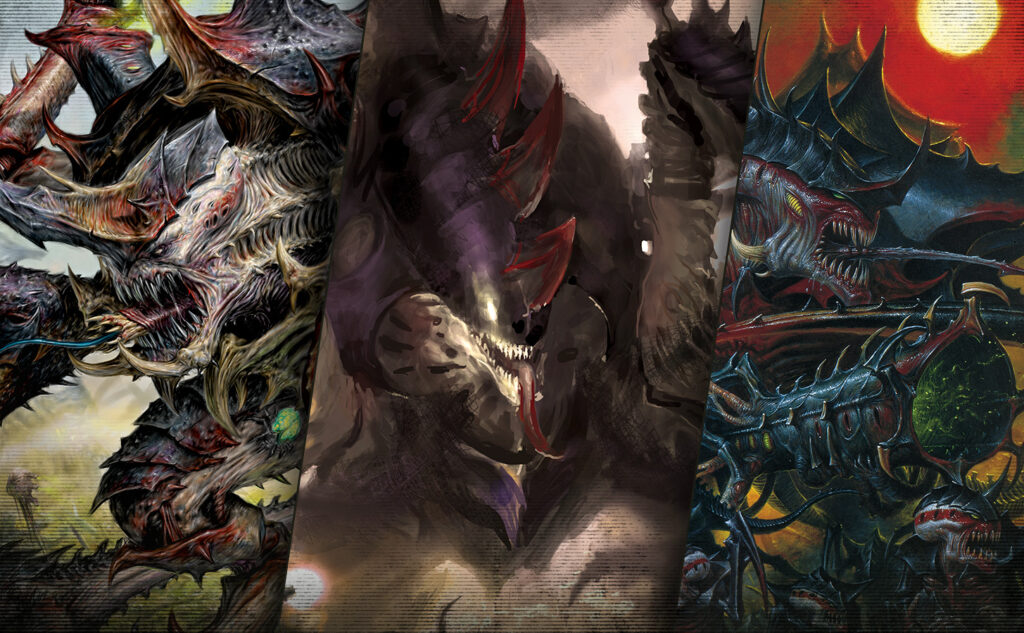
The Evolution of Warhammer Art
Warhammer has captivated fans worldwide with its intricate universe and compelling artwork. Among its most iconic subjects are the Tyranids, a race of bio-engineered alien creatures. The evolution of their depiction in Warhammer art reflects broader trends in the gaming and fantasy art industries. Warhammer Community offers a fascinating archive that showcases this evolution.
Early Depictions of Tyranids
Initially, Warhammer artists depicted the Tyranids with a simple yet menacing aesthetic. Their early design focused on emphasizing their alien nature. For instance, the original artworks highlighted their carapaces and sharp mandibles. This simplicity was partly due to the limitations of the time. Artists worked with fewer resources, yet they managed to create impactful imagery.
Furthermore, the early art set a foundation for the Tyranid’s character as relentless and fearsome predators, mirroring the gameplay mechanics introduced in the Warhammer universe.
The Rise of Digital Art
As technology advanced, digital art transformed the depiction of the Tyranids. Artists embraced new techniques and software, allowing for more detailed and vibrant illustrations. Consequently, the Tyranids became more complex and visually striking. Digital art enabled artists to experiment with lighting, texture, and color in ways previously unimaginable.

Moreover, digital tools facilitated collaboration among artists, leading to a more cohesive and expansive portrayal of the Tyranid species across various media.
Impact on the Warhammer Universe
The artistic evolution of the Tyranids has significantly impacted the Warhammer universe. As their visual representation grew more dynamic, so did their role in the lore. The detailed art has enriched storytelling, offering players vivid imagery to accompany their gaming experiences. Additionally, the enhanced artwork has attracted new fans, expanding Warhammer’s reach globally.
Furthermore, the Tyranids’ evolving depiction reflects changing themes within the Warhammer narrative. Themes of survival, adaptation, and the unknown are visually represented through the art, adding depth to the game’s narrative.
Future Directions in Warhammer Art
Looking ahead, the future of Warhammer art promises further innovation. Artists continue to push boundaries, exploring virtual reality and 3D modeling. These technologies could revolutionize how fans interact with Tyranid depictions, offering immersive experiences. Companies like Games Workshop, the creators of Warhammer, are investing in these new technologies to enhance fan engagement.

Moreover, as the digital landscape evolves, so will the community’s role in shaping the art. Fan contributions and collaborations will likely become more integral, ensuring the Tyranids remain a vibrant part of the Warhammer universe.
Conclusion
In conclusion, the evolution of Tyranid art in Warhammer illustrates the broader trends in fantasy and gaming art. From simple beginnings to complex digital renderings, these depictions have enriched the Warhammer universe and captivated audiences. As technology advances, the future of Warhammer art looks promising, with endless possibilities for innovation and engagement.
For a deeper dive into the history and artistry of the Tyranids, visit the Warhammer Community archive.
Source Attribution: This article includes information from Warhammer Community.
About The Author