Dynamic Pricing: Amtrak vs. Airlines in Cost Battle
3 min read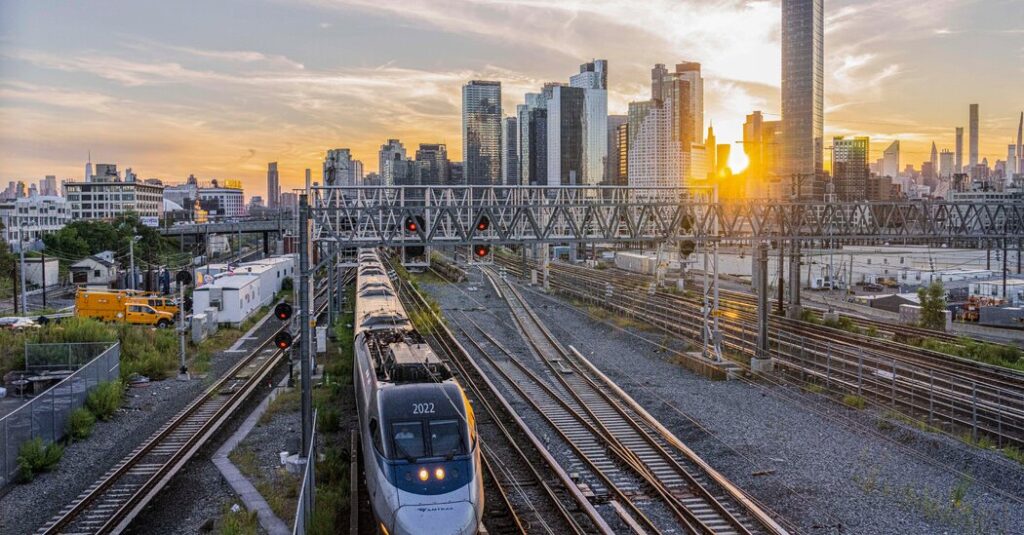
Introduction: The Cost Dilemma
Leah Goodridge, a New York resident, recently faced a dilemma familiar to many travelers. While planning a train trip to Washington, she encountered an unexpected challenge—the high cost of Amtrak fares. As she navigated the booking process, Goodridge noticed a staggering fare of $572. This price mirrored what she might pay for a flight, sparking a debate: When travel costs converge, which transportation mode truly offers more value?
Amtrak’s use of dynamic pricing raises questions about its impact on consumers and the travel industry. While Amtrak claims this strategy strengthens its finances, it often leaves travelers questioning the cost-effectiveness of last-minute train travel. Nevertheless, the train offers one significant advantage: avoiding the often tedious airport experience.
The Mechanics of Dynamic Pricing
Dynamic pricing, a common strategy in the airline industry, adjusts ticket prices based on demand, time, and availability. Amtrak adopted this approach to maximize revenue, but it also means prices can fluctuate significantly. This strategy aims to fill trains while maximizing profits, a method successfully used by airlines for decades. However, the unpredictability of pricing can frustrate travelers.
For instance, prices may soar during peak travel times or when demand spikes unexpectedly. Therefore, travelers like Goodridge may face sticker shock when booking last-minute trips. Moreover, the lack of transparency in how these prices are determined can lead to dissatisfaction among consumers.
Benefits and Drawbacks of Train Travel
Despite the higher costs, train travel offers unique advantages. Most notably, trains allow passengers to avoid the stresses associated with airports. There are no lengthy security lines, no need to arrive hours before departure, and generally more comfortable seating. Additionally, trains often provide scenic routes and a more relaxed atmosphere.
However, the cost can be a significant drawback, especially when train fares rival or surpass those of flights. Additionally, trains may lack the speed of air travel, making them less appealing for those with tight schedules. Yet, for those who value comfort over speed, trains remain an attractive option.

Comparing Costs and Convenience
Comparing train and air travel requires considering more than just ticket prices. While flights may appear cheaper, travelers must account for additional expenses such as baggage fees, airport parking, and the time spent navigating security. Meanwhile, trains often include these costs in the ticket price, offering a more straightforward pricing model.
Furthermore, for those traveling between city centers, trains can be more convenient. They often depart from central locations, reducing the need for additional transportation once you arrive. Consequently, for many urban travelers, trains may offer a time-saving advantage.
Future Implications and Industry Insights
As Amtrak continues to refine its pricing strategies, the travel landscape may shift. Experts suggest that dynamic pricing is here to stay, both for its financial benefits and its ability to manage supply and demand effectively. Nevertheless, Amtrak must balance profitability with customer satisfaction to maintain its competitive edge.
To this end, Amtrak may explore additional customer incentives or transparent pricing models to enhance traveler experiences. Moreover, as sustainability becomes a key concern, trains offer an environmentally friendly alternative to flying, which may influence future travel decisions.
In conclusion, as the line between train and air travel costs blurs, travelers must weigh the pros and cons of each option. Whether prioritizing comfort, convenience, or cost, the choice ultimately depends on individual preferences and priorities.
For more information, visit the original source at The New York Times.
Source Attribution
Information verified by The New York Times, published on January 24, 2026.
About The Author


