Winter Storm Sweeps U.S., Causes Widespread Disruptions
2 min read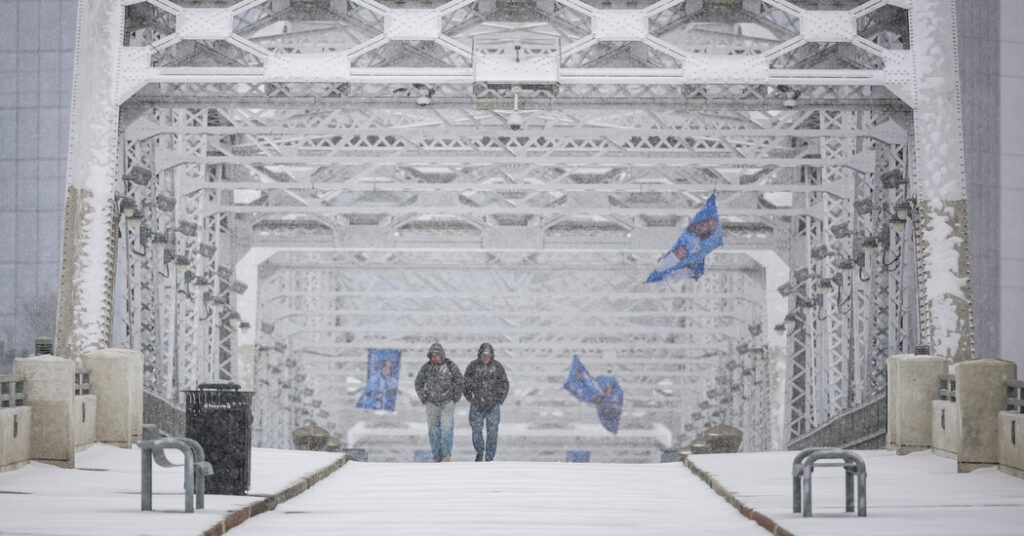
Severe Weather Impacts Millions Across the U.S.
A massive winter storm is making its way across the United States, affecting over 180 million people. This storm, characterized by a dangerous mix of snow, ice, and freezing rain, has led to widespread disruptions. The New York Times reports extensive cancellations of flights, school closures, and disruptions to transit systems.
As the storm progresses, authorities warn residents to prepare for hazardous travel conditions. In particular, the storm is expected to hit the southeastern states with freezing rain and ice, posing significant risks to power lines and roadways.
Atlanta Prepares for Icy Conditions
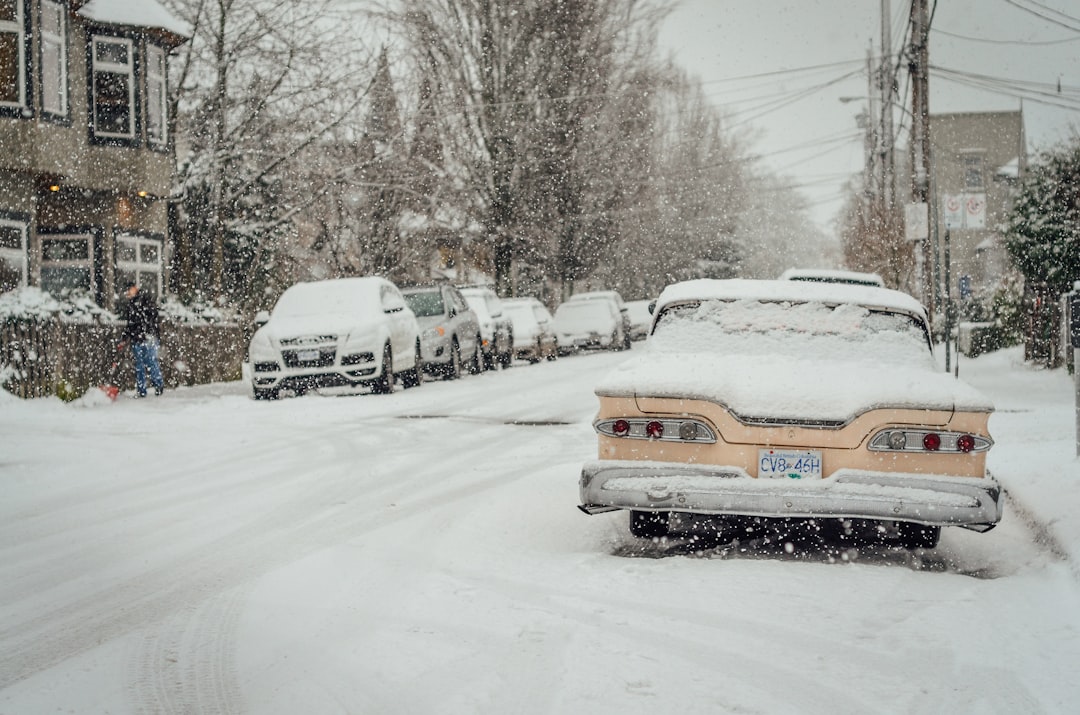
Atlanta is bracing for the storm’s impact, with freezing rain and ice expected from Saturday evening through Monday morning. Weather forecasters predict that the city could see significant ice accumulation, potentially leading to power outages. Local officials have urged residents to stay indoors and avoid unnecessary travel.
Although some areas might escape with minimal impact, the more probable scenario involves substantial ice build-up. The National Weather Service has issued warnings to inform residents of the potential dangers.
Transportation and Travel Disruptions
Airlines have pre-emptively canceled thousands of flights nationwide. The Federal Aviation Administration is closely monitoring the situation to ensure safety. Additionally, major transit systems in affected cities have reduced services or shut down entirely to prevent accidents.
Road travel is also severely impacted. Authorities have deployed snowplows and salt trucks, but icy conditions remain a significant threat. Drivers are advised to stay off the roads where possible.
National Response and Precautions
The federal government has coordinated with state and local agencies to respond effectively. Emergency services are on high alert to assist with any crises that may arise. Furthermore, shelters have been prepared for those in need of warmth and safety.
In addition to local efforts, organizations like the American Red Cross are mobilizing resources to aid affected communities.

Looking Ahead: Implications and Recovery
The storm’s aftermath could lead to long-term infrastructure challenges. Power outages and road damage may require significant time and resources to address. As a result, community leaders are calling for increased investment in storm resilience.
Experts emphasize the importance of preparedness for future weather events. Climate change considerations suggest such storms may become more frequent. Therefore, city planners and policymakers must prioritize sustainable solutions to mitigate future disruptions.
In conclusion, this winter storm underscores the vulnerability of infrastructure to extreme weather. As recovery efforts begin, the nation will need to reflect on how to better prepare for and respond to similar events in the future.
For more detailed updates, visit the original source.
Source Attribution: Information verified by The New York Times. For further reading, refer to their live updates.
About The Author


