Understanding Real Food vs. ‘Food-Like Substances’
2 min read
The Growing Concern Over Diet Choices
In today’s fast-paced world, many Americans struggle to maintain a healthy diet. Dr. Mark Hyman recently highlighted a significant concern: the distinction between real food and ‘food-like substances.’ As more people attempt to lose weight, understanding this difference becomes crucial. Fox News reports that nearly half of Americans try to lose weight annually. Furthermore, approximately 17% of adults follow specific diets such as keto, vegan, or Mediterranean.
What Are ‘Food-Like Substances’?
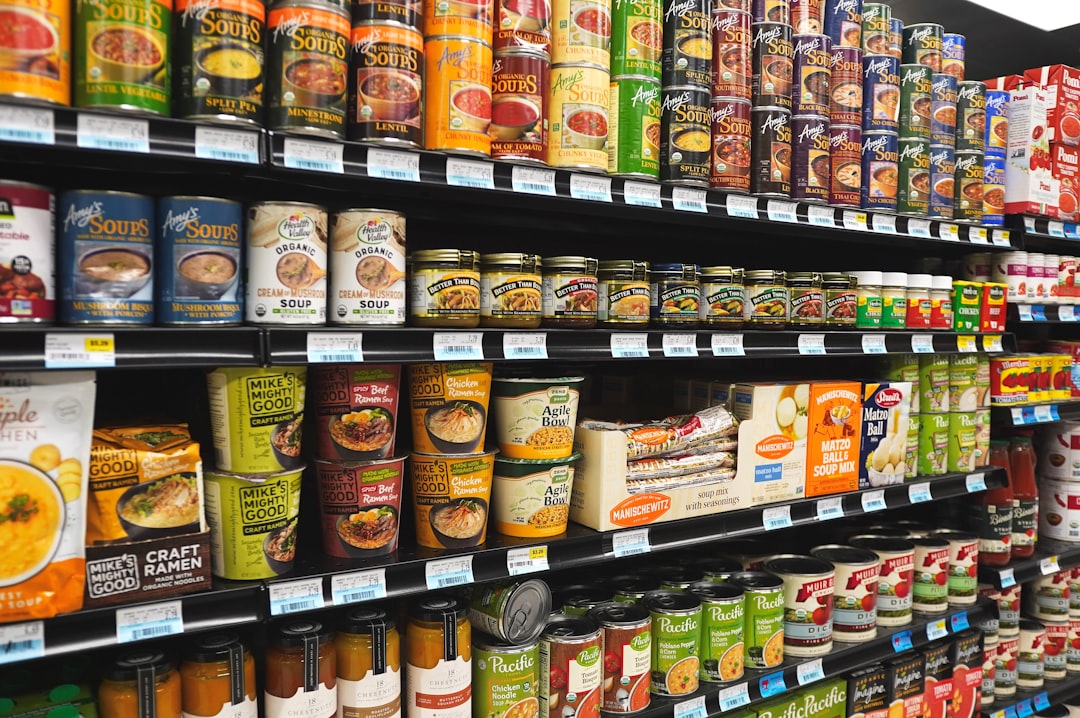
Dr. Hyman describes ‘food-like substances’ as highly processed items lacking nutritional value. These products often contain artificial ingredients and preservatives. Consequently, they fail to provide essential nutrients. For instance, processed snacks and sugary drinks fall into this category. In contrast, real food consists of whole, unprocessed ingredients like fruits, vegetables, and lean meats.
Why Real Food Matters
Nutrition experts argue that consuming real food can significantly improve health. Whole foods contain vitamins, minerals, and antioxidants that support bodily functions. Moreover, they help maintain a healthy weight. Healthline emphasizes the benefits of eating real food, such as reducing inflammation and promoting heart health.
Challenges in Changing Dietary Habits
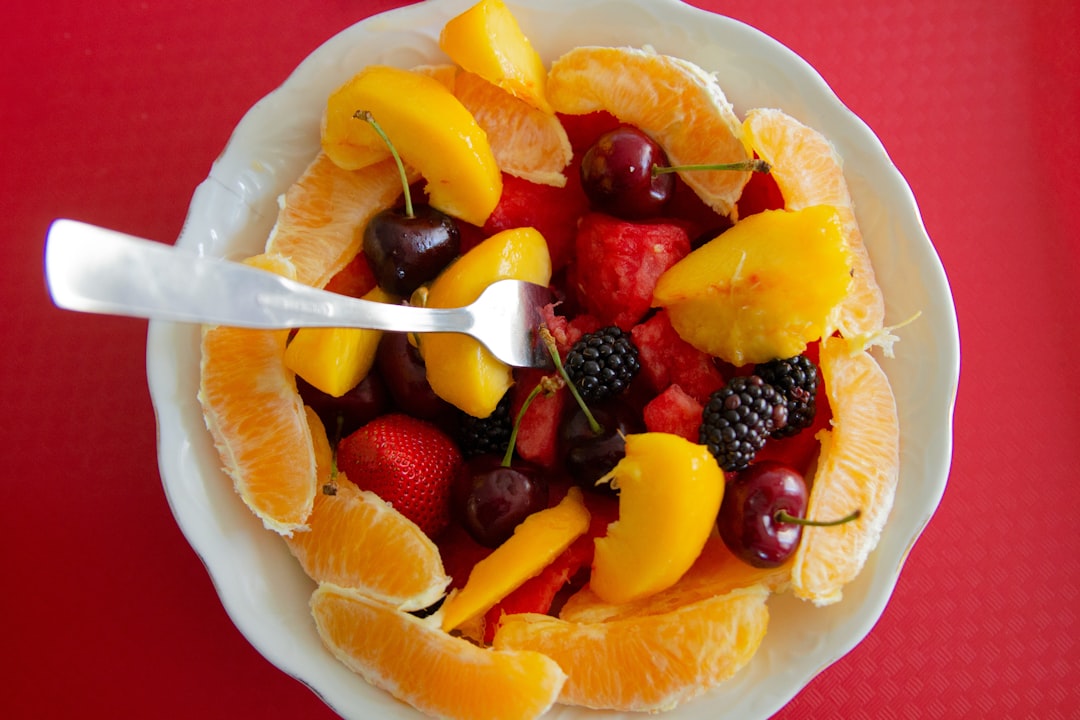
Despite the clear advantages, many Americans find it challenging to switch to real food. Convenience plays a significant role in diet choices. Processed foods are often cheaper and more accessible. However, experts suggest starting small. For example, replacing sugary snacks with fresh fruit can make a difference.
Future Implications for Health
The trend towards processed foods poses long-term health risks. High consumption of ‘food-like substances’ can lead to obesity, diabetes, and heart disease. Therefore, public health initiatives must focus on educating individuals about real food benefits. The CDC provides resources for understanding healthy eating patterns.
Moreover, policymakers could subsidize healthy foods to make them more affordable. In conclusion, the shift from ‘food-like substances’ to real food is essential for improving public health.
“Eating real food is about nourishing your body, not just filling your stomach,” says Dr. Hyman.
Conclusion: The Path Forward
Overall, understanding the difference between real food and ‘food-like substances’ is crucial. As Americans continue to navigate various diet options, prioritizing whole foods will lead to better health outcomes. Furthermore, ongoing education and policy changes can support this transition. To summarize, real food is not just a diet choice; it is a lifestyle essential for long-term well-being.
Source Attribution: This article is based on the original Fox News report and additional research.
About The Author


