Unexpected Bloom of Joshua Trees Signals Climate Shift
2 min read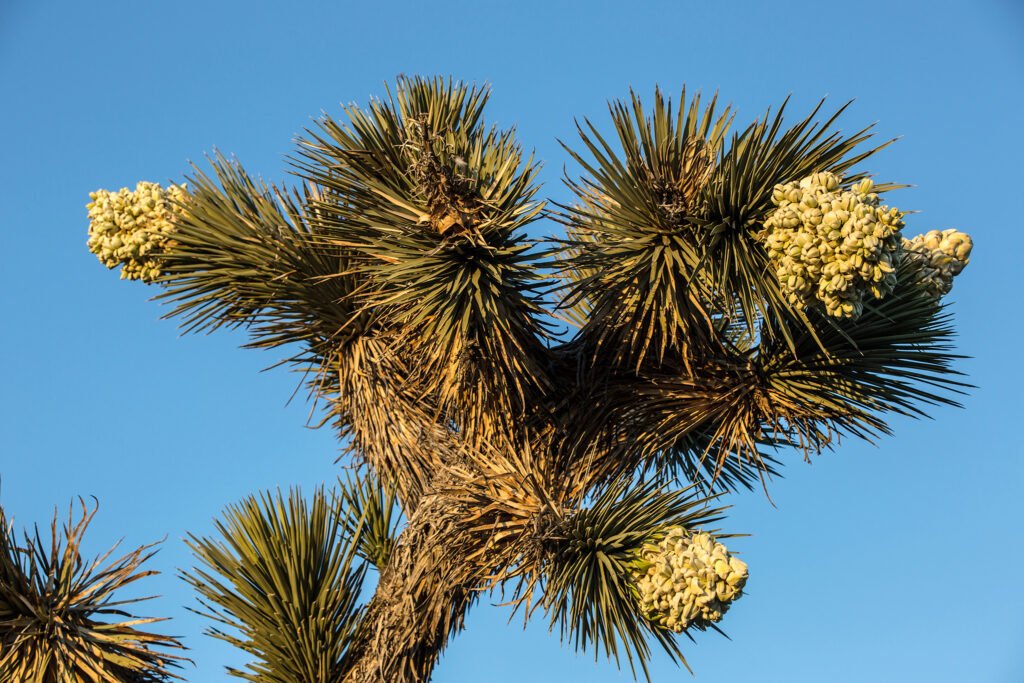
Early Bloom Raises Concerns
This year, Joshua trees in the California desert began flowering unusually early. Typically, these iconic trees start their annual bloom in February. However, the flowers appeared in late October, raising alarm among scientists and conservationists. The early bloom could indicate significant shifts in the desert ecosystem, potentially driven by climate change.
The timing of flowering is crucial for Joshua trees. It aligns with the life cycle of the yucca moth, the sole pollinator of these trees. The moth’s lifecycle and the bloom must coincide for successful reproduction. SFGate reported that this misalignment could threaten the future of these trees.
Impact of Climate Change
Scientists believe that climate change is a primary factor in this phenomenon. Rising temperatures and altered precipitation patterns may have triggered the early bloom. Climate change causes shifts in plant and animal behaviors, which can disrupt ecosystems. Dr. Emily Carter, a leading ecologist, stated, “This early bloom is a red flag. It suggests broader ecological changes that could have severe consequences.”
Moreover, Joshua trees are already under threat from habitat loss and increased wildfire frequency. The altered bloom cycle adds another layer of complexity to their survival challenges.
Consequences for Ecosystems
The Joshua tree’s bloom supports a variety of desert species. These include insects, birds, and small mammals. When the bloom happens outside the expected timeframe, it can disrupt food availability for these species. Consequently, these animals may struggle to find alternative food sources.
Furthermore, the yucca moth, which relies on the flowers for reproduction, faces its own challenges. If the moths are not present when the trees bloom, pollination fails. This failure jeopardizes the next generation of Joshua trees, placing the entire ecosystem at risk.
Conservation Efforts
Conservationists are taking steps to address these challenges. They are monitoring Joshua tree populations and studying the impacts of climate change on their habitat. Additionally, conservation groups are advocating for stronger climate policies to mitigate further changes.
The California Department of Fish and Wildlife is collaborating with researchers to develop strategies for preserving these trees. Strategies include habitat restoration and controlled burns to reduce wildfire risks.
Future Implications
In conclusion, the early flowering of Joshua trees serves as a warning sign. It highlights the urgent need for climate action and conservation efforts. The survival of these trees and their unique ecosystem depends on timely interventions.
As scientists continue to study these changes, the broader implications for desert ecosystems remain a concern. In the future, successful adaptation will require collaboration between scientists, policymakers, and communities.
Source Attribution: Information verified by SFGate.
About The Author


