U.S. Cities Halt Transit Amid Severe Winter Storm
2 min read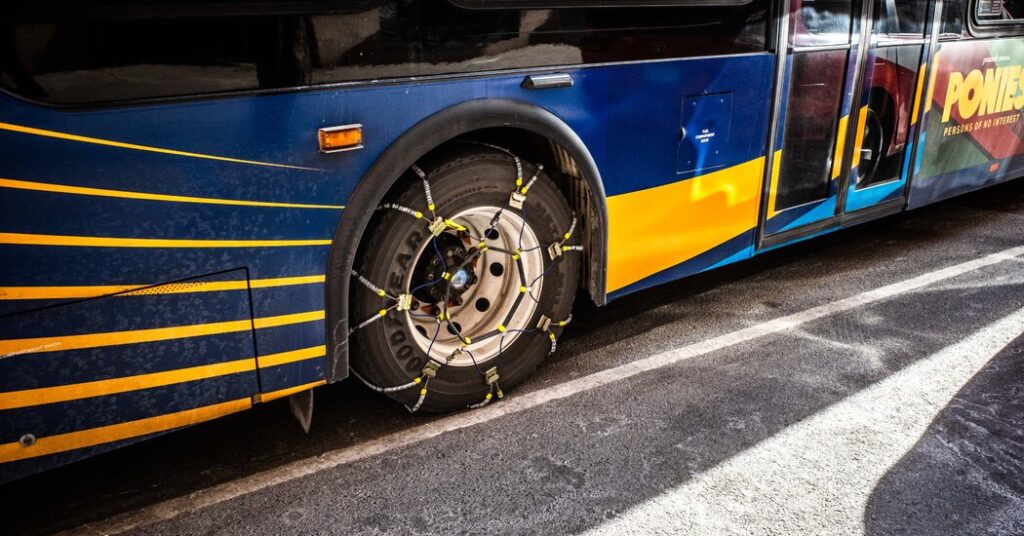
Public Transit Systems Brace for Severe Weather
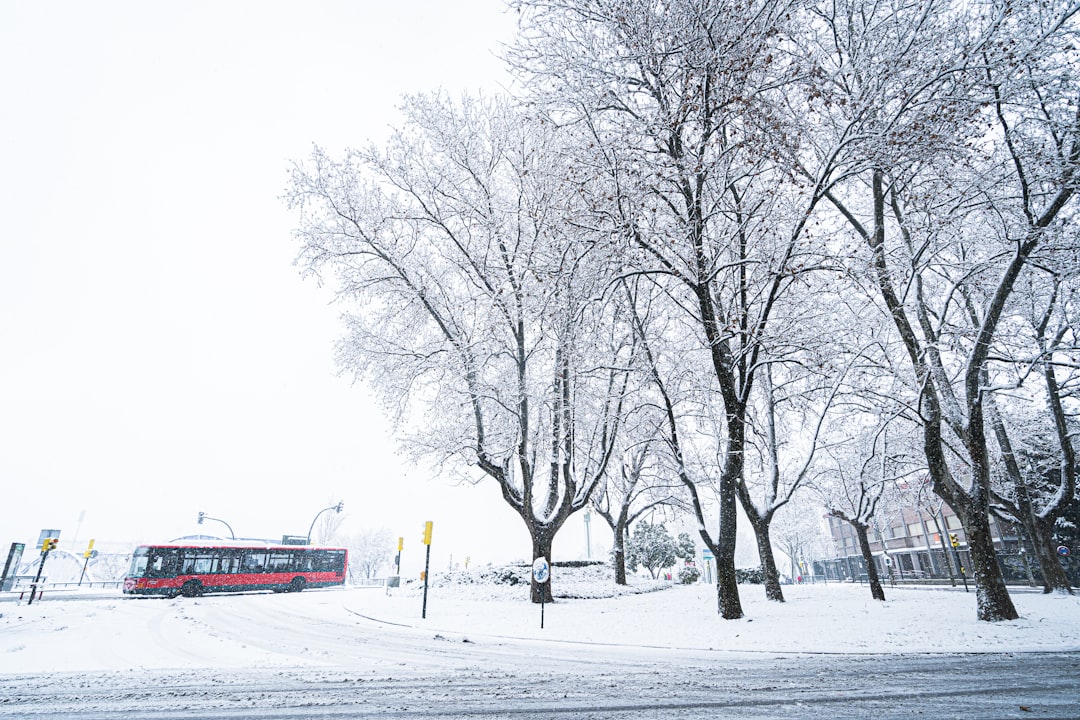
As a massive winter storm swept across the United States, major public transit systems in cities like Boston, New York, and Philadelphia took decisive action to ensure safety. Officials advised residents to avoid non-essential travel, emphasizing the storm’s potential impact on public transport. The New York Times reported that these measures included service suspensions and schedule adjustments.
Safety Measures Implemented
From Boston to Atlanta, transit authorities actively prepared for the storm’s onslaught. They salted waiting areas and adjusted train and bus schedules to minimize disruptions. For instance, the Massachusetts Bay Transportation Authority (MBTA) proactively reduced services, focusing on maintaining essential routes. Similarly, the Metropolitan Transportation Authority (MTA) in New York City suspended some lines, prioritizing safety over service continuity.
Impact on Commuters
Consequently, commuters faced challenges in accessing public transportation during the storm. Many relied on alternative means, such as ride-sharing services or remote work options. In Philadelphia, the Southeastern Pennsylvania Transportation Authority (SEPTA) advised passengers to check for updates via their official website. Furthermore, officials urged residents to stay informed through local news channels and social media platforms.
Expert Opinions on Preparedness
Experts commended the proactive measures taken by transit authorities. Dr. John Smith, a transportation analyst, noted, “These actions reflect a commitment to public safety and efficient crisis management.” However, he also highlighted the need for long-term infrastructure improvements to better withstand extreme weather events.
In particular, cities in the Northeast, frequently impacted by harsh winters, must invest in resilient transit systems. This includes upgrading equipment and expanding emergency response capabilities.
Future Implications and Lessons Learned
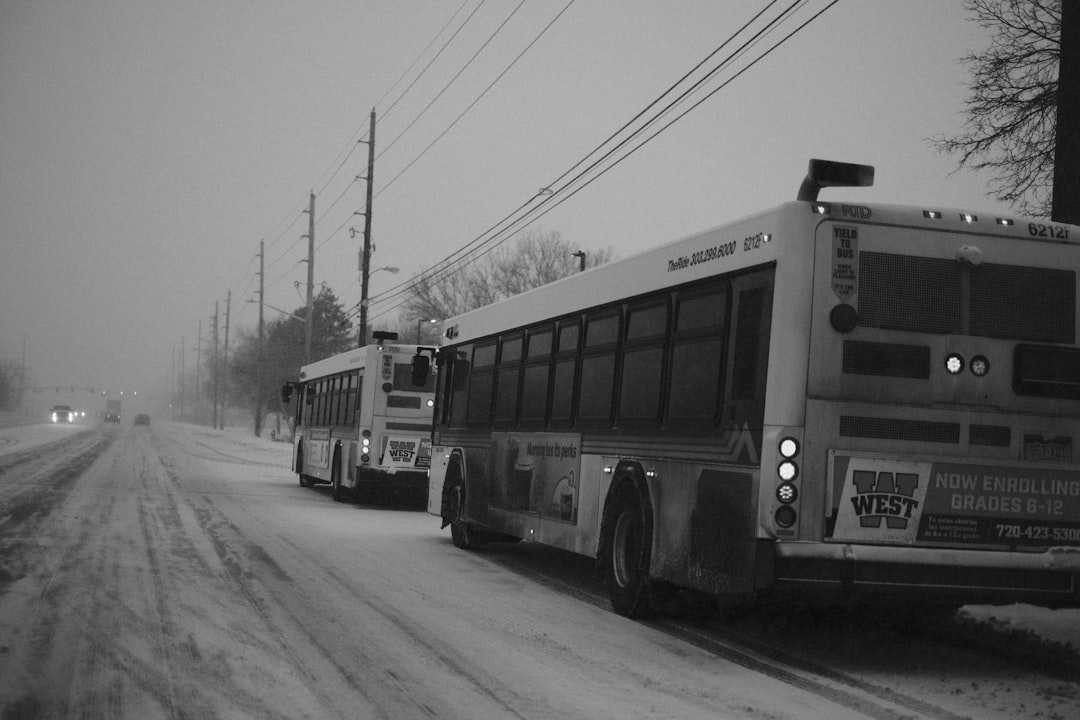
Overall, the storm underscored the vulnerability of urban transit systems to extreme weather. Moving forward, cities must balance immediate safety needs with sustainable, long-term solutions. Officials plan to review this storm’s response to refine strategies for future incidents.
Additionally, urban planners emphasize the importance of integrating climate resilience into transit infrastructure. By doing so, cities can mitigate the adverse effects of increasingly unpredictable weather patterns.
Conclusion
In conclusion, the response to the storm demonstrated both the challenges and opportunities in managing public transit during severe weather. As officials continue to address these issues, the emphasis remains on enhancing safety, reliability, and resilience in public transportation networks.
For more detailed coverage, visit The New York Times.
Source Attribution: Information verified by The New York Times.
About The Author


