Trump’s ‘New Imperialism’: Territorial Ambitions Under Scrutiny
2 min read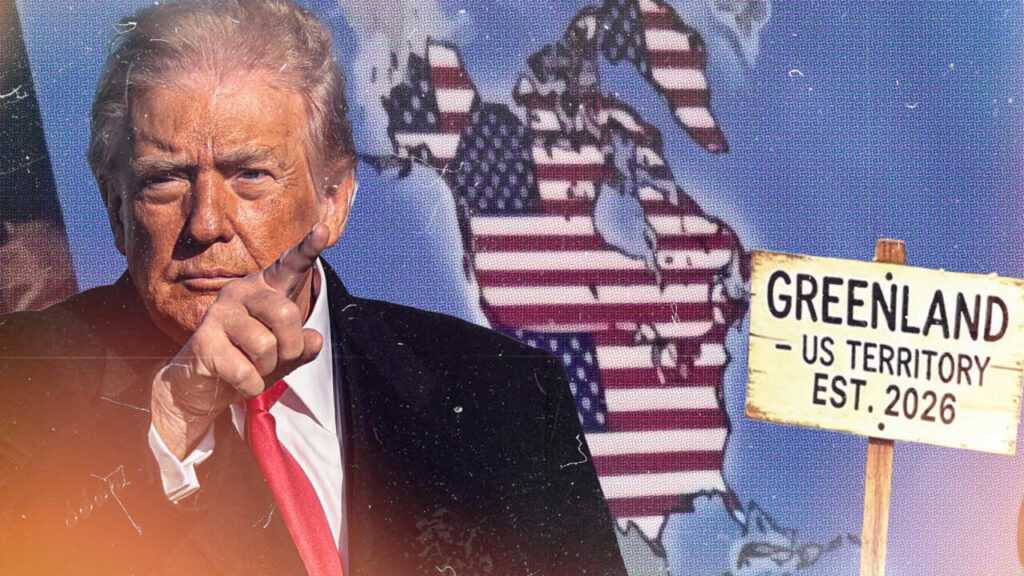
Introduction: A New Era of Territorial Ambitions
US President Donald Trump sparked global debate with his controversial stance on territorial expansion. Recently, Trump expressed interest in acquiring Greenland, a move that drew criticism from European leaders. Moreover, his approach signals a shift from the postwar global order, raising questions about America’s international strategy.
Furthermore, Trump’s remarks about other potential territorial claims illustrate his administration’s broader ambitions. This article delves into the implications of these statements and examines the historical context.
The Greenland Controversy
Earlier this week, Trump reiterated his interest in purchasing Greenland, a Danish territory. Denmark rebuffed the idea, prompting Trump to cancel a planned visit to the country. France 24 reported Trump’s frustration with European leaders, highlighting tensions between the US and its allies.
Greenland’s strategic location and natural resources make it a valuable asset. The US military maintains a base there, underscoring its geopolitical importance. Wikipedia provides detailed background on the island’s history and significance.
Historical Context: America’s Expansionist Past
Trump’s actions evoke memories of America’s expansionist history. In the 19th century, the US pursued manifest destiny, acquiring territories across North America. Although modern international norms discourage territorial acquisitions, Trump’s rhetoric suggests a revival of expansionist aspirations.
Moreover, this approach challenges the post-World War II order, which prioritized stability and cooperation among nations. Trump’s strategy represents a departure from these principles.
Implications for Global Relations
Trump’s territorial ambitions have broader implications for global relations. The United Nations Charter emphasizes respect for national sovereignty, a principle potentially undermined by US actions.
Furthermore, such moves could strain relations with allies and embolden rival powers to pursue similar strategies. Consequently, experts warn of a destabilizing effect on international order.

Conclusion: A Shift in Global Strategy?
In conclusion, Trump’s ‘new imperialism’ raises significant questions about America’s role on the world stage. As geopolitical tensions rise, the administration’s actions could reshape international norms and alliances.
Overall, observers will closely monitor the unfolding situation. Future US actions may further define this era of territorial ambitions.
Source: France 24
About The Author